




- Best Value
- Best Sellers
- Under $100
 $49.90

July 1, 2026
Gerber July Floral Selection
The Bloom Central flower delivery of the month for July in Gerber is the Color Crush Dishgarden
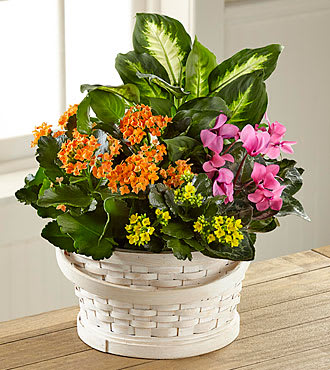
Introducing the delightful Color Crush Dishgarden floral arrangement! This charming creation from Bloom Central will captivate your heart with its vibrant colors and unqiue blooms. Picture a lush garden brought indoors, bursting with life and radiance.
Featuring an array of blooming plants, this dishgarden blossoms with orange kalanchoe, hot pink cyclamen, and yellow kalanchoe to create an impressive display.
The simplicity of this arrangement is its true beauty. It effortlessly combines elegance and playfulness in perfect harmony, making it ideal for any occasion - be it a birthday celebration, thank you or congratulations gift. The versatility of this arrangement knows no bounds!
One cannot help but admire the expert craftsmanship behind this stunning piece. Thoughtfully arranged in a large white woodchip woven handled basket, each plant and bloom has been carefully selected to complement one another flawlessly while maintaining their individual allure.
Looking closely at each element reveals intricate textures that add depth and character to the overall display. Delicate foliage elegantly drapes over sturdy green plants like nature's own masterpiece - blending gracefully together as if choreographed by Mother Earth herself.
But what truly sets the Color Crush Dishgarden apart is its ability to bring nature inside without compromising convenience or maintenance requirements. This hassle-free arrangement requires minimal effort yet delivers maximum impact; even busy moms can enjoy such natural beauty effortlessly!
Imagine waking up every morning greeted by this breathtaking sight - feeling rejuvenated as you inhale its refreshing fragrance filling your living space with pure bliss. Not only does it invigorate your senses but studies have shown that having plants around can improve mood and reduce stress levels too.
With Bloom Central's impeccable reputation for quality flowers, you can rest assured knowing that the Color Crush Dishgarden will exceed all expectations when it comes to longevity as well. These resilient plants are carefully nurtured, ensuring they will continue to bloom and thrive for weeks on end.
So why wait? Bring the joy of a flourishing garden into your life today with the Color Crush Dishgarden! It's an enchanting masterpiece that effortlessly infuses any room with warmth, cheerfulness, and tranquility. Let it be a constant reminder to embrace life's beauty and cherish every moment.
Gerber Florist
Gerber Flower Delivery - Frequently Asked Questions
- Does Bloom Central offer same-day flower delivery in Gerber?
- Yes. Place your order online before 1:00 PM and a local Gerber florist will hand-deliver your arrangement the same day. Orders can also be scheduled up to one month in advance.
- Is it safe to order flowers online?
- Absolutely! We utilize a secure, encrypted checkout to protect your personal and payment information. Visa, Mastercard, American Express, Discover, PayPal and Klarna are all accepted.
- What funeral homes does Bloom Central deliver sympathy flowers to in Gerber?
- We hand-deliver sympathy and memorial floral arrangements to all funeral homes near Gerber, including: Allen & Dahl Funeral Chapel, Allen & Dahl Funeral Chapel, Allen & Dahl Funeral Chapel, Bidwell Chapel, Blairs Direct Cremation & Burial Service I, Blairs, Brusie Funeral Home, Chapel of the Pines Mortuary-Crematory, Corning Cemetery District, Cottonwood Cemetery Dist, Glen Oaks Memorial Park, Hall Bros Corning Mortuary, Lawncrest Chapel, McDonalds Chapel, Neptune Society of Northern California, Newton-Bracewell Funeral Homes, Oak Hill Cemetery, Ramsey Funeral Home.
- What nearby cities does Bloom Central also deliver flowers to?
- In addition to Gerber, we deliver fresh flowers to many nearby cities including: Los Molinos, Corning, Red Bluff, Rancho Tehama Reserve, Lake California, Orland, Hamilton City, Cottonwood
- What are the most popular flower arrangements at the Gerber florist?
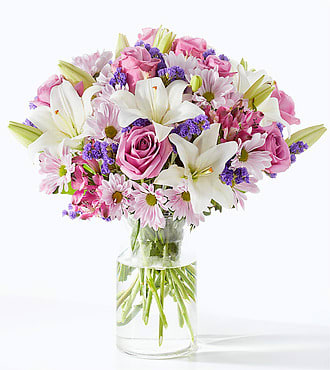
- Three of our most popular arrangements at our Gerber florist are: Heart's Wishes Luxury Bouquet by Interflora ($229.90), Color Crush Dishgarden ($97.90), Sweet Moments Bouquet ($49.90). All are available for same-day delivery.
More About Gerber
Are looking for a Gerber florist because you are not local to the area? If so, here is a brief travelogue of what Gerber has to offer. Who knows, perhaps you'll be intrigued enough to come visit soon, partake in some of the fun activities Gerber has to offer and deliver flowers to your loved one in person!
The Gerber Sign is the first thing you notice, assuming you’re one of the few who’ve chosen to exit I-5 north of Red Bluff, trading the highway’s hypnosis for two-lane blacktop that unspools past almond orchards and sun-bleached barns. The sign itself is a local totem, a 40-foot monument to civic pride that reads “GERBER” in block letters visible from half a mile off, its white paint glowing against the valley’s dun canvas. It has the effect of a hand on your shoulder, a quiet insistence that you’re entering a place, not just passing through. Gerber, California, population 1,130 at last count, sits in the Sacramento Valley’s cradle, a town whose existence is so entwined with the rhythms of soil and season that its streets seem less laid out than grown, organic extensions of the furrowed earth.
Drive past the sign and the speed limit drops to 25. The road becomes Main Street, lined with buildings that wear their histories like wrinkles: a post office from 1921, a diner with neon cursive in the window, a feed store where men in seed caps lean over coffee, talking weather and water rights. The air here smells of loam and diesel, of almonds roasting at the processing plant, a sweetness that clings to your clothes. You get the sense that time moves differently. Not slower, exactly, but with intention, each hour accounted for, each task, pruning an orchard, repairing a tractor, teaching third graders cursive, imbued with the weight of necessity.

Same day service available. Order your Gerber floral delivery and surprise someone today!
The people of Gerber tend to speak in terms of “we.” We’re harvesting olives next week. We fixed the bleachers at the school. The high school’s mascot is the Grizzlies, a fact announced by fading paw prints stenciled on the sidewalk outside City Hall. On Friday nights in autumn, half the town gathers under stadium lights to watch teenagers sprint through the haze of Central Valley dust, their shouts rising into a sky streaked with contrails from planes bound for San Francisco or LA. The spectators know every player’s name, every family’s backstory, and this knowledge feels less like gossip than stewardship, a way of holding the community together.
West of town, the Sacramento River slides by, its surface dappled with sunlight, its banks fringed with cottonwoods. Fishermen in wide-brimmed hats cast lines for steelhead, their trucks parked haphazardly on the gravel. Kids pedal bikes along levees, kicking up plumes of dust, their laughter carried on the wind. There’s a park with a gazebo where the Rotary Club hosts pancake breakfasts, the griddles hissing as volunteers flip flapjacks with the precision of metronomes. You can buy a plate for five dollars, syrup included, and eat at a picnic table while someone’s uncle strums a Creedence song on acoustic guitar.
What’s easy to miss, if you’re just glancing at Gerber from a car window, is the way the place resists abstraction. It isn’t a postcard or a nostalgia piece. The challenges here are real, water scarcity, the precariousness of crops, the slow bleed of youth to cities, but so is the resilience. At the community center, a mural spans one wall: a timeline of Gerber, from Indigenous tribes to railroad workers to the woman who runs the modern-day nursery, her hands cradling a sapling. The mural’s last panel is blank, a primer-gray rectangle. When asked about it, the artist shrugged and said, “That’s for whatever comes next.”
By late afternoon, the sun slants through the orchards, turning the air golden. Sprinklers throw rainbows over tomato plants. A farmer checks the moisture level of his soil, pressing a palm to the ground like a doctor taking a pulse. Somewhere, a dog barks. A train whistle echoes. The Gerber Sign, now at your back, watches over it all, less a farewell than a reminder: this town isn’t a relic. It’s alive, breathing, a thing that persists. You get the feeling that if you stayed, really stayed, you’d learn to hear the poetry in the hum of irrigation pumps, to see the universe in a row of olive trees, their branches heavy with fruit that will become oil, then meals, then memory.