





- Get Well
- Best Sellers
- Under $80
 $54.90
- $54.90
- $79.90
- $54.90
- $49.90
- $49.90
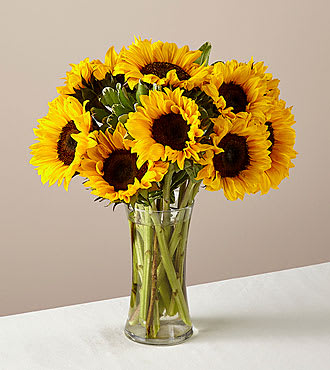
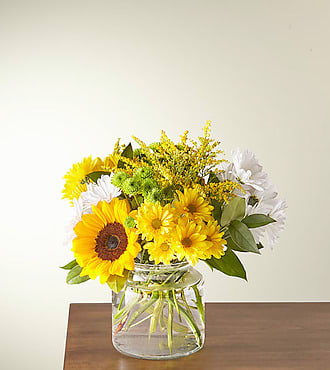
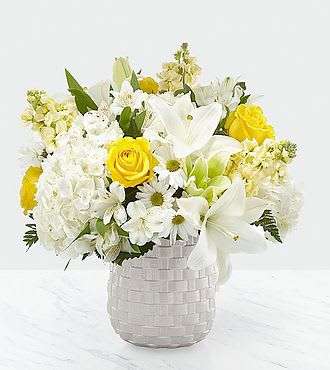
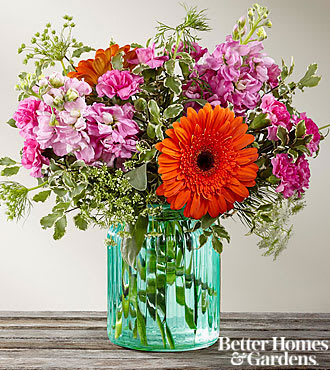


- $69.90


July 1, 2026
Jurupa Valley July Floral Selection
The Bloom Central flower delivery of the month for July in Jurupa Valley is the Long Stem Red Rose Bouquet
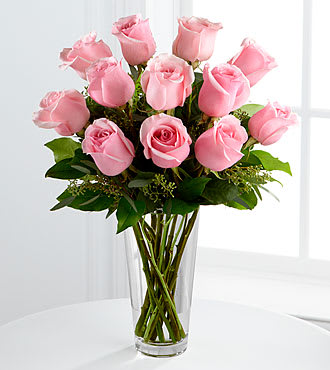
Introducing the exquisite Long Stem Red Rose Bouquet from Bloom Central, a floral arrangement that is sure to steal her heart. With its classic and timeless beauty, this bouquet is one of our most popular, and for good reason.
The simplicity of this bouquet is what makes it so captivating. Each rose stands tall with grace and poise, showcasing their velvety petals in the most enchanting shade of red imaginable. The fragrance emitted by these roses fills the air with an intoxicating aroma that evokes feelings of love and joy.
A true symbol of romance and affection, the Long Stem Red Rose Bouquet captures the essence of love effortlessly. Whether you want to surprise someone special on Valentine's Day or express your heartfelt emotions on an anniversary or birthday, this bouquet will leave the special someone speechless.
What sets this bouquet apart is its versatility - it suits various settings perfectly! Place it as a centerpiece during candlelit dinners or adorn your living space with its elegance; either way, you'll be amazed at how instantly transformed your surroundings become.
Purchasing the Long Stem Red Rose Bouquet from Bloom Central also comes with peace of mind knowing that they source only high-quality flowers directly from trusted growers around the world.
If you are searching for an unforgettable gift that speaks volumes without saying a word - look no further than the breathtaking Long Stem Red Rose Bouquet from Bloom Central! The timeless beauty, delightful fragrance and effortless elegance will make anyone feel cherished and loved. Order yours today and let love bloom!
Local Flower Delivery in Jurupa Valley
Jurupa Valley Flower Delivery - Frequently Asked Questions
- Does Bloom Central offer same-day flower delivery in Jurupa Valley?
- Yes. Place your order online before 1:00 PM and a local Jurupa Valley florist will hand-deliver your arrangement the same day. Orders can also be scheduled up to one month in advance.
- Is it safe to order flowers online?
- Absolutely! We utilize a secure, encrypted checkout to protect your personal and payment information. Visa, Mastercard, American Express, Discover, PayPal and Klarna are all accepted.
- What funeral homes does Bloom Central deliver sympathy flowers to in Jurupa Valley?
- We hand-deliver sympathy and memorial floral arrangements to all funeral homes near Jurupa Valley, including: Acheson & Graham Garden of Prayer Mortuary, Akes Family Funeral Home, Arlington Mortuary, Colton Funeral Home, Continental Funeral Home, Cortner Chapel, Family Funeral Chapel & Cremation, Family Memorial Mortuary & Cremation, Green Acres Memorial Park & Mortuary, Norco Family Funeral Home, Pierce Brothers-Crestlawn Mortuary, Preciado Funeral Home, Richardson Funeral Home, Rubidoux-Jurupa Valley Mortuary, Thomas Miller Mortuary - Sierra Memorial Chapel, Thomas Miller Mortuary, Tillman Riverside Mortuary, Walker Family Funeral Services.
- What nearby cities does Bloom Central also deliver flowers to?
- In addition to Jurupa Valley, we deliver fresh flowers to many nearby cities including: Riverside, Eastvale, Bloomington, Fontana, Norco, Highgrove, El Sobrante, Grand Terrace
- What are the most popular flower arrangements at the Jurupa Valley florist?
- Three of our most popular arrangements at our Jurupa Valley florist are: Bright Days Ahead Bouquet ($59.90), Sky Blue Delight Bouquet ($49.90), Oopsie Daisy Box Bouquet ($59.90). All are available for same-day delivery.
More About Jurupa Valley
Are looking for a Jurupa Valley florist because you are not local to the area? If so, here is a brief travelogue of what Jurupa Valley has to offer. Who knows, perhaps you'll be intrigued enough to come visit soon, partake in some of the fun activities Jurupa Valley has to offer and deliver flowers to your loved one in person!
The sun in Jurupa Valley does not so much rise as gather itself slowly above the eastern ridges, a patient combustion that ignites the chrome of pickup trucks idling outside Rosie’s Diner and turns the Santa Ana River’s gravel beds into sheets of brushed nickel. Here, at the fraying edge of Greater Los Angeles, the land itself seems to perform a kind of magic trick, holding in balance the competing energies of desert and suburb, concrete and chaparral, the urgent now and the deep-time stillness of the Jurupa Mountains. You notice this first in the light, which has a quality of undiluted clarity, as if the atmosphere itself were a lens focusing the world into sharp, unapologetic detail. A kid pedals a bike along Mission Boulevard, his shadow stretching like taffy across a strip mall’s parking lot. An elderly man in a straw hat tends to roses outside a stucco home, each bloom a tiny explosion of coral and crimson. The scene feels both ordinary and profoundly singular, the way certain dreams do.
What anchors Jurupa Valley is not its infrastructure, though the 60 Freeway stitches it into the region’s vast circulatory system, but its people, a mosaic of families and retirees, warehouse workers and nursery owners, whose lives intersect at the weekly farmers’ market or under the fluorescent glow of the Vons on Limonite Avenue. Conversations here orbit around the weather (brutal in August, mild in January), high school football, and the best routes to avoid traffic when driving east. But beneath the small talk hums a shared understanding: this is a place where the American experiment of self-invention continues, quietly, doggedly, in the shadow of older, flashier cities. A new housing development sprouts where citrus groves once stood; a teenager practices skateboard ollies in a drained culvert; a grandmother sells homemade tamales from a folding table near the library. The vibe is less “aspirational” than practical, a community negotiating growth without losing its grip on the unpretentious rhythms that define it.

Same day service available. Order your Jurupa Valley floral delivery and surprise someone today!
The landscape itself resists cliché. To the north, the Jurupa Mountains Discovery Center offers hikes through rock formations that look like melted candle wax, their strata whispering of epochs when this land lay submerged under ancient seas. To the south, the Santa Ana River Basin transforms in spring into a carpet of wildflowers, drawing hikers and birders who move through the bluffs with the reverent haste of pilgrims. Even the ubiquitous strip malls acquire a kind of accidental beauty here, their signage glowing at dusk like neon flora, their parking lots hosting impromptu gatherings of muscle cars whose owners debate carburetors over lukewarm coffee.
History in Jurupa Valley is not a static exhibit but a live current. The area’s original inhabitants, the Tongva and Luiseño peoples, called this place home for millennia before cattle ranches and railroads arrived. Today, their legacy persists in place names, in arrowheads unearthed after rare rains, in the quiet stewardship of local conservation groups working to protect the region’s fragile ecosystems. Meanwhile, the city itself, incorporated barely over a decade ago, still carries the new-kid-on-the-block energy of a community figuring itself out, its identity a work in progress. Civic pride here is less about boosterism than a collective determination to forge something durable from the chaos of unplanned growth.
To spend time in Jurupa Valley is to witness a paradox: a town that feels simultaneously inconspicuous and essential, a way station and a destination. It’s the kind of place where a stranger might strike up a conversation with you at the gas pump about the Lakers’ playoff chances, or where the clerk at the 7-Eleven knows your coffee order by heart. The streets hum with the mundane symphonies of leaf blowers and ice cream trucks, and the mountains on the horizon stand as both sentinels and spectators, their slopes weathering the elements with a patience that feels almost like wisdom. In an era of curated experiences and destination fatigue, there’s something quietly radical about a city that asks nothing of you except to notice it, to see, in its unflashy resilience, a reflection of the strange, stubborn beauty of getting by.