





- Get Well
- Best Sellers
- Sympathy
 $54.90
- $54.90
- $79.90
- $54.90
- $49.90
- $49.90

- $297.90
- $64.90




July 1, 2026
Myrtletown July Floral Selection
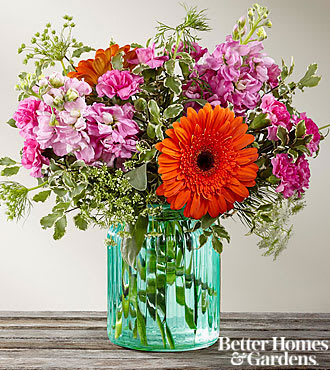
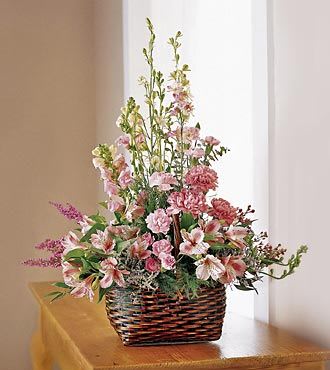
The Bloom Central flower delivery of the month for July in Myrtletown is the Graceful Grandeur Rose Bouquet
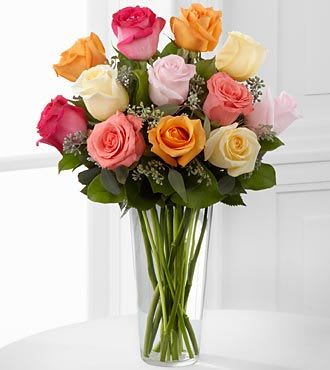
The Graceful Grandeur Rose Bouquet from Bloom Central is simply stunning. With its elegant and sophisticated design, it's sure to make a lasting impression on the lucky recipient.
This exquisite bouquet features a generous arrangement of lush roses in shades of cream, orange, hot pink, coral and light pink. This soft pastel colors create a romantic and feminine feel that is perfect for any occasion.
The roses themselves are nothing short of perfection. Each bloom is carefully selected for its beauty, freshness and delicate fragrance. They are hand-picked by skilled florists who have an eye for detail and a passion for creating breathtaking arrangements.
The combination of different rose varieties adds depth and dimension to the bouquet. The contrasting sizes and shapes create an interesting visual balance that draws the eye in.
What sets this bouquet apart is not only its beauty but also its size. It's generously sized with enough blooms to make a grand statement without overwhelming the recipient or their space. Whether displayed as a centerpiece or placed on a mantelpiece the arrangement will bring joy wherever it goes.
When you send someone this gorgeous floral arrangement, you're not just sending flowers - you're sending love, appreciation and thoughtfulness all bundled up into one beautiful package.
The Graceful Grandeur Rose Bouquet from Bloom Central exudes elegance from every petal. The stunning array of colorful roses combined with expert craftsmanship creates an unforgettable floral masterpiece that will brighten anyone's day with pure delight.
Local Flower Delivery in Myrtletown
Myrtletown Flower Delivery - Frequently Asked Questions
- Does Bloom Central offer same-day flower delivery in Myrtletown?
- Yes. Place your order online before 1:00 PM and a local Myrtletown florist will hand-deliver your arrangement the same day. Orders can also be scheduled up to one month in advance.
- Is it safe to order flowers online?
- Absolutely! We utilize a secure, encrypted checkout to protect your personal and payment information. Visa, Mastercard, American Express, Discover, PayPal and Klarna are all accepted.
- What funeral homes does Bloom Central deliver sympathy flowers to in Myrtletown?
- We hand-deliver sympathy and memorial floral arrangements to all funeral homes near Myrtletown, including: Ayres Family Cremation, Humboldt Cremation & Funeral Service, Ocean View Cemetery-Sunset Memorial Park, Pierce Mortuary Chapels, Sanders Funeral Home.
- What nearby cities does Bloom Central also deliver flowers to?
- In addition to Myrtletown, we deliver fresh flowers to many nearby cities including: Cutten, Eureka, Bayview, Pine Hills, Humboldt Hill, Arcata, Blue Lake, McKinleyville
- What are the most popular flower arrangements at the Myrtletown florist?
- Three of our most popular arrangements at our Myrtletown florist are: Sangria Bouquet ($54.90), Second Chances Bouquet and Candle Set ($94.90), Special Request 200 ($200.00). All are available for same-day delivery.
More About Myrtletown
Are looking for a Myrtletown florist because you are not local to the area? If so, here is a brief travelogue of what Myrtletown has to offer. Who knows, perhaps you'll be intrigued enough to come visit soon, partake in some of the fun activities Myrtletown has to offer and deliver flowers to your loved one in person!
Myrtletown, California, sits in a crease of Humboldt County where the land seems to fold itself gently around the people, as if the redwoods and the mist and the soft, salt-stung air have conspired to say: Stay awhile, but quietly. The town is not so much a place you find as a place that accumulates around you, a lattice of clapboard houses with wildflower-choked yards, a single main street where the barista at the lone café knows your coffee order before you say “please,” and a library whose oak doors groan with the weight of stories told and retold. Mornings here begin with the hiss of sprinklers and the clatter of bicycle chains. Kids dart past hydrangeas on their way to school. Retirees in sun-faded hats wave from porches. The rhythm is syncopated but precise, a jazz standard everyone knows by heart.
What’s easy to miss, unless you pause to squint, is how Myrtletown’s ordinariness hums with something rare. The town lacks the frenetic ambition of coastal California’s flashier enclaves. No one here is hustling to disrupt an industry or optimize their life. Instead, there’s a collective understanding that time is not a commodity but a shared element, like sunlight. At the farmers’ market, Saturdays, rain or shine, vendors pile crates of strawberries and kale onto tables draped in checkered cloth. Conversations meander. A teenager sells honey in mason jars labeled with her dog’s name. An octogenarian fiddler plays Irish reels slightly off-key, and no one minds. The point isn’t the produce or the music. The point is the way an hour can stretch like taffy when you’re standing in a patch of grass with people who ask how your mother’s hip is healing.

Same day service available. Order your Myrtletown floral delivery and surprise someone today!
The library is the town’s secret engine. Its shelves hold more than books. They hold the librarian, Marjorie, who remembers every child’s reading level and slips paperback mysteries into the bags of lonely widowers. They hold the after-school chess club where middle-schoolers trash-talk each other with Midwestern politeness. They hold a bulletin board papered with index cards offering ukulele lessons, dog walks, tomato seedlings, grief counseling. Myrtletown’s currency is generosity, not the performative kind, but the sort that expects nothing beyond the satisfaction of watching a neighbor’s brow unfurrow. When the river flooded two winters ago, half the town showed up at dawn with sandbags and soup. No one gave speeches. They just worked until the water retreated, then sat on damp porches sharing thermoses of coffee, laughing at the absurdity of it all.
The surrounding geography feels like a covenant. Trails wind through redwoods so tall they seem to press the sky upward. The ocean, a mile west, booms its approval. At the town’s edge, a community garden spills over with zucchini and sunflowers, its plots tended by third-graders and ex–Wall Street brokers alike. You’ll find no self-conscious yoga studios here, no artisanal kombucha taps. Instead, there’s a VFW hall hosting quilting circles, a diner serving pie so thick it defies physics, and a volunteer-run movie theater where the projector occasionally eats the film. The air smells of damp soil and eucalyptus.
Myrtletown is not naive. It knows the world beyond the 101 is fractured, loud, allergic to stillness. But the town persists in its quiet way, a rebuttal to the lie that faster means better. Teenagers still get bored and dream of escape. Couples still bicker over hedge trimmers. Yet something in the water, or maybe the soil, or the way the fog clings like a shy friend, keeps the place knit together. You notice it in the way people lock eyes when they speak, in the absence of honking cars, in the unspoken rule that every potluck requires three kinds of potato salad.
It would be sentimental to call Myrtletown perfect. Perfection is inert, and this town vibrates with life. What it is, instead, is proof that a place can bend time, that a community can be both sanctuary and mirror, that the ordinary, when tended with care, becomes a kind of sacrament. You leave wondering why everywhere doesn’t feel this way, and then you realize: Maybe it could. Maybe it should. The redwoods, older than every human worry, seem to nod in agreement.