





- Birthday
- Best Sellers
- Thank You

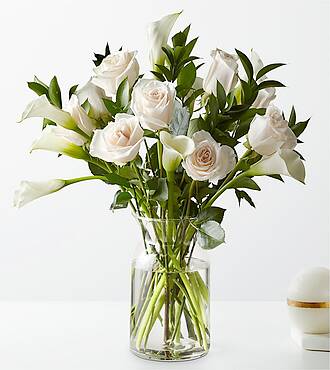
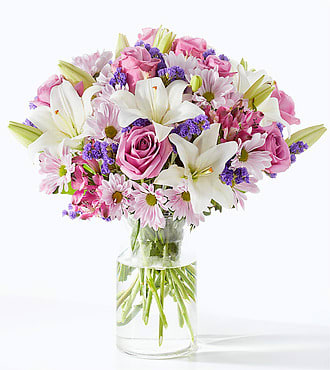


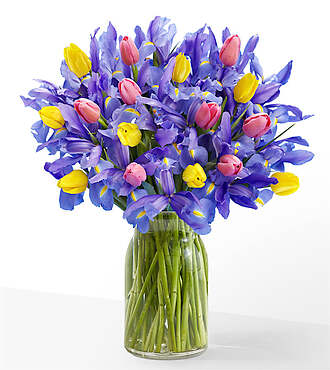

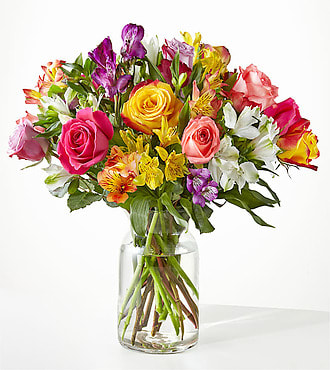

 $49.90
- $79.90
July 1, 2026
Glastonbury Center July Floral Selection
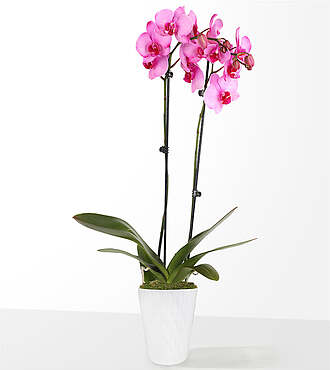
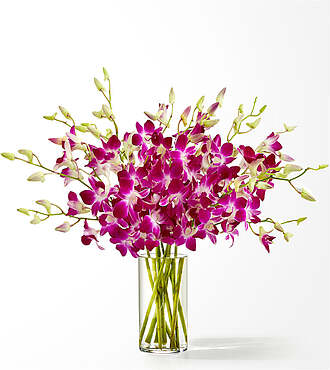
The Bloom Central flower delivery of the month for July in Glastonbury Center is the Fuchsia Phalaenopsis Orchid
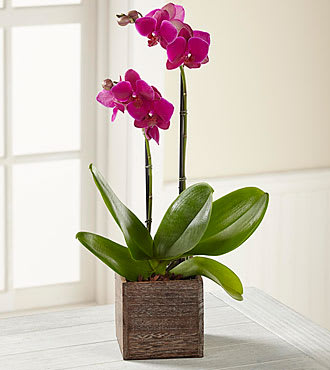
The Fuchsia Phalaenopsis Orchid floral arrangement from Bloom Central is a stunning addition to any home decor. This beautiful orchid arrangement features vibrant violet blooms that are sure to catch the eye of anyone who enters the room.
This stunning double phalaenopsis orchid displays vibrant violet blooms along each stem with gorgeous green tropical foliage at the base. The lively color adds a pop of boldness and liveliness, making it perfect for brightening up a living room or adding some flair to an entryway.
One of the best things about this floral arrangement is its longevity. Unlike other flowers that wither away after just a few days, these phalaenopsis orchids can last for many seasons if properly cared for.
Not only are these flowers long-lasting, but they also require minimal maintenance. With just a little bit of water every week and proper lighting conditions your Fuchsia Phalaenopsis Orchids will thrive and continue to bloom beautifully.
Another great feature is that this arrangement comes in an attractive, modern square wooden planter. This planter adds an extra element of style and charm to the overall look.
Whether you're looking for something to add life to your kitchen counter or wanting to surprise someone special with a unique gift, this Fuchsia Phalaenopsis Orchid floral arrangement from Bloom Central is sure not disappoint. The simplicity combined with its striking color makes it stand out among other flower arrangements.
The Fuchsia Phalaenopsis Orchid floral arrangement brings joy wherever it goes. Its vibrant blooms capture attention while its low-maintenance nature ensures continuous enjoyment without much effort required on the part of the recipient. So go ahead and treat yourself or someone you love today - you won't regret adding such elegance into your life!
Glastonbury Center Florist
Glastonbury Center Flower Delivery - Frequently Asked Questions
- Does Bloom Central offer same-day flower delivery in Glastonbury Center?
- Yes. Place your order online before 1:00 PM and a local Glastonbury Center florist will hand-deliver your arrangement the same day. Orders can also be scheduled up to one month in advance.
- Is it safe to order flowers online?
- Absolutely! We utilize a secure, encrypted checkout to protect your personal and payment information. Visa, Mastercard, American Express, Discover, PayPal and Klarna are all accepted.
- What funeral homes does Bloom Central deliver sympathy flowers to in Glastonbury Center?
- We hand-deliver sympathy and memorial floral arrangements to all funeral homes near Glastonbury Center, including: Abbey Cremation Service, Brooklawn Funeral Home, Cedar Hill Cemetery, DEsopo Funeral Chapel, Deleon Funeral Home, Farley -Sullivan Funeral Home, Newkirk & Whitney Funeral Home, Rose Hill Funeral Homes, Tierney John F Funeral Home, Wethersfield Village Cemetery.
- What nearby cities does Bloom Central also deliver flowers to?
- In addition to Glastonbury Center, we deliver fresh flowers to many nearby cities including: Glastonbury, Wethersfield, Rocky Hill, East Hartford, Hartford, Newington, Manchester, Cromwell
- What are the most popular flower arrangements at the Glastonbury Center florist?
- Three of our most popular arrangements at our Glastonbury Center florist are: Tricks and Treats Pumpkin ($59.90), Springtime Spritz Bouquet ($64.90), Graceful Garden Basket ($69.90). All are available for same-day delivery.
More About Glastonbury Center
Are looking for a Glastonbury Center florist because you are not local to the area? If so, here is a brief travelogue of what Glastonbury Center has to offer. Who knows, perhaps you'll be intrigued enough to come visit soon, partake in some of the fun activities Glastonbury Center has to offer and deliver flowers to your loved one in person!
Glastonbury Center, Connecticut, in the early morning, presents itself as a town that has paused to consider the weight of its own history before stepping gently into the present. The Connecticut River, wide and unhurried, glints like old silver under a sun still low enough to cast long shadows over the marinas and the kayakers who move across the water with the quiet purpose of people performing a secular ritual. Along Main Street, the sycamores form a cathedral arch, their leaves trembling in a breeze that carries the scent of damp grass and freshly cut lumber from the hardware store whose owner has kept the same hand-painted sign since the Nixon administration. The sidewalks here are swept clean each dawn by merchants who unlock their doors with keys worn smooth by decades of turning, their windows displaying quilts, antique clocks, jars of local honey whose labels curl at the edges as if embarrassed by their own nostalgia.
The center of town thrives on paradox. A restored 18th-century farmhouse sits beside a café where teenagers sip fair-trade lattes and debate the merits of obscure post-punk bands. The barber, whose chair has held three generations of Glastonbury skulls, nods to the yoga instructor crossing the street in leggings patterned with mandalas. At the weekly farmers’ market, held on the green where minutemen once drilled, vendors arrange heirloom tomatoes and lavender sachets with the care of curators, while toddlers wobble after Labradoodles in a scene so idyllic it risks parody until you notice the absence of smartphones, not because anyone’s made a rule, but because the air here seems to soften the urgency of modern life.

Same day service available. Order your Glastonbury Center floral delivery and surprise someone today!
History in Glastonbury Center isn’t so much preserved as threaded through the daily fabric. The oldest cemetery, its headstones flecked with lichen, hosts picnics where children sprawl on blankets, their peanut butter sandwiches crumbling near the grave of a Revolutionary War captain. The stone library, built when Ulysses S. Grant was president, loans out WiFi hotspots and graphic novels but still smells of the same cedar shelves that held Hawthorne and Melville. Down the block, a blacksmith-turned-sculptor forges abstract garden art from scrap iron in a barn where his great-grandfather once shod horses, the clang of his hammer echoing off the beams like a duet across time.
What binds this place isn’t mere quaintness. Walk the trails of the Eastbury Pond Preserve at dusk, and you’ll see herons stalking the shallows while joggers pad softly over wooden footbridges, their breath visible in the autumn chill. In winter, the fields off Hebron Avenue become a mosaic of sled tracks and snow-angels, the laughter of neighbors carried on air so crisp it feels less like weather than a kind of communal tonic. Spring arrives with a riot of daffodils planted by a gardening club whose members argue good-naturedly about mulch pH but unite to repaint the gazebo in hues so bright they seem to defy the very concept of gray skies.
The people of Glastonbury Center wear their stewardship lightly. They are teachers who lead fourth graders on tours of the Historical Society’s attic, pointing out butter churns and musket balls without irony. They are firefighters who host pancake breakfasts in a station house where the pole still shines from the grip of hands long retired. They are teenagers who roll their eyes at the phrase “community spirit” but show up to string fairy lights for the holiday stroll, grumbling affectionately as they untangle cords. There’s a quiet understanding here that to care for a place is not an act of preservation but of reinvention, a continuous, collaborative making of something that endures not by staying the same but by becoming, always, a version of itself that remembers its roots without being bound by them.
To visit is to feel the peculiar comfort of a town that has mastered the art of holding stillness and motion in the same hand. You leave wondering if the secret to its charm lies in the way the light slants through the maples, or the way the river bends, or the fact that someone, somewhere, is always baking pie.