




- Love & Romance
- Best Sellers
- Lilies
 $69.90

- $49.90
July 1, 2026
Halawa July Floral Selection
The Bloom Central flower delivery of the month for July in Halawa is the Happy Blooms Basket
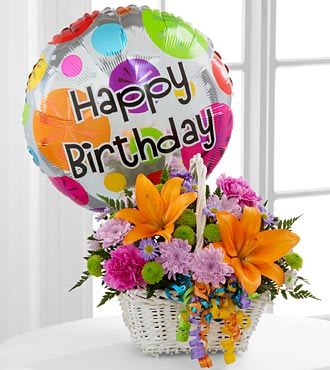
The Happy Blooms Basket is a delightful floral arrangement that will bring joy to any room. Bursting with vibrant colors and enchanting scents this bouquet is perfect for brightening up any space in your home.
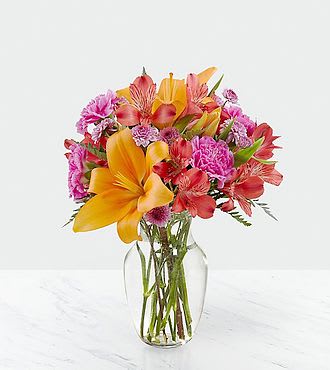
The Happy Blooms Basket features an exquisite combination of blossoming flowers carefully arranged by skilled florists. With its cheerful mix of orange Asiatic lilies, lavender chrysanthemums, lavender carnations, purple monte casino asters, green button poms and lush greens this bouquet truly captures the essence of beauty and birthday happiness.
One glance at this charming creation is enough to make you feel like you're strolling through a blooming garden on a sunny day. The soft pastel hues harmonize gracefully with bolder tones, creating a captivating visual feast for the eyes.
To top thing off, the Happy Blooms Basket arrives with a bright mylar balloon exclaiming, Happy Birthday!
But it's not just about looks; it's about fragrance too! The sweet aroma wafting from these blooms will fill every corner of your home with an irresistible scent almost as if nature itself has come alive indoors.
And let us not forget how easy Bloom Central makes it to order this stunning arrangement right from the comfort of your own home! With just a few clicks online you can have fresh flowers delivered straight to your doorstep within no time.
What better way to surprise someone dear than with a burst of floral bliss on their birthday? If you are looking to show someone how much you care the Happy Blooms Basket is an excellent choice. The radiant colors, captivating scents, effortless beauty and cheerful balloon make it a true joy to behold.
Halawa Hawaii Flower Delivery
Halawa Flower Delivery - Frequently Asked Questions
- Does Bloom Central offer same-day flower delivery in Halawa?
- Yes. Place your order online before 1:00 PM and a local Halawa florist will hand-deliver your arrangement the same day. Orders can also be scheduled up to one month in advance.
- Is it safe to order flowers online?
- Absolutely! We utilize a secure, encrypted checkout to protect your personal and payment information. Visa, Mastercard, American Express, Discover, PayPal and Klarna are all accepted.
- What funeral homes does Bloom Central deliver sympathy flowers to in Halawa?
- We hand-deliver sympathy and memorial floral arrangements to all funeral homes near Halawa, including: Ballard Family Moanalua Mortuary, Borthwick Mortuary, Byodo-In Temple, Diamond Head Mortuary, Flowers by Fletcher, Hawaii Ash Scatterings, Hawaii State Veterans Cemetery, Hawaiian Memorial Park Cemetery, Hawaiian Memorial Park Mortuary, Hosoi Garden Mortuary, Leeward Funeral Home, Mililani Downtown Mortuary, Mililani Memorial Park & Mortuary, Nuuanu Memorial Park & Mortuary, Oahu Mortuary, Rainbow Pigeons, Ultimate Cremation Services, Valley of the Temples.
- What nearby cities does Bloom Central also deliver flowers to?
- In addition to Halawa, we deliver fresh flowers to many nearby cities including: Aiea, Waimalu, Pearl City, Hickam Housing, Iroquois Point, Waipio, Honolulu, Waipahu
- What are the most popular flower arrangements at the Halawa florist?
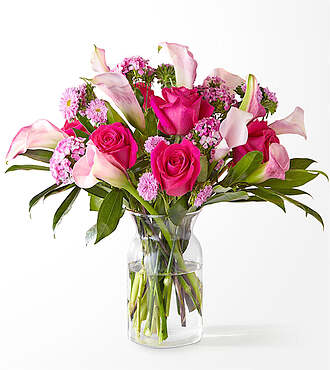
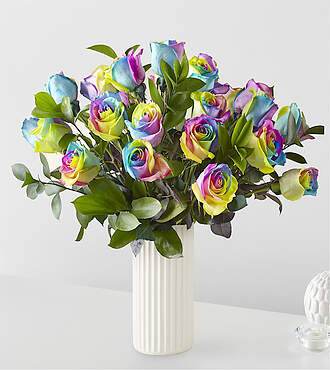
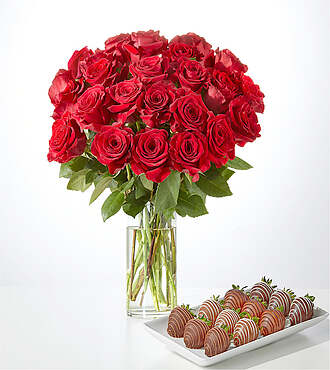
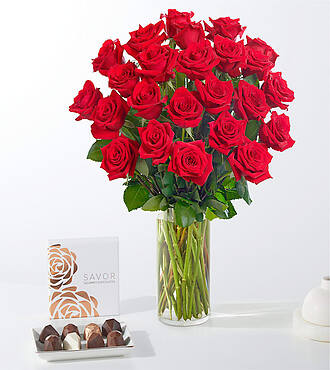
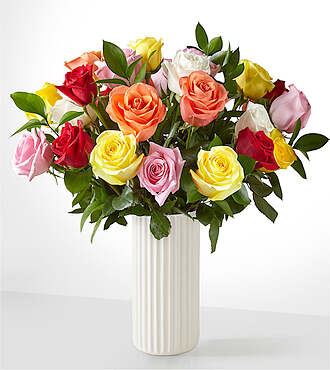
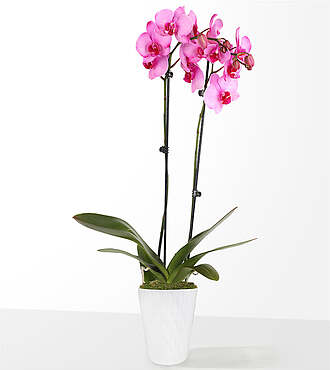
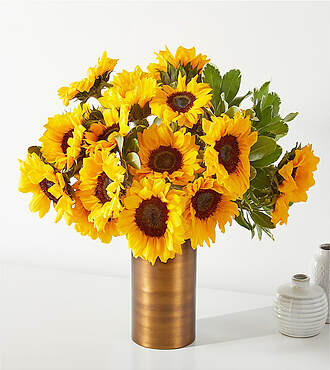
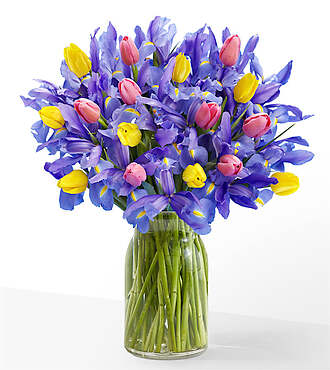
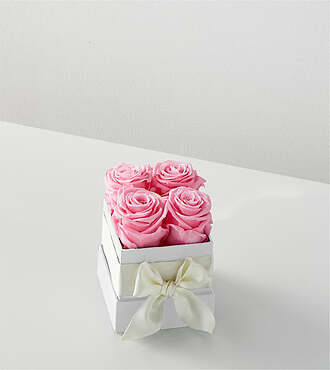
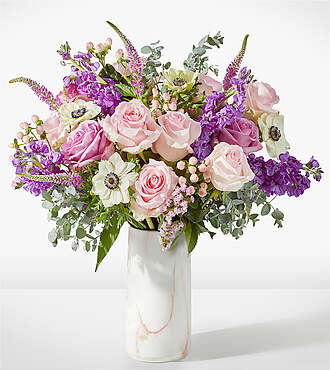
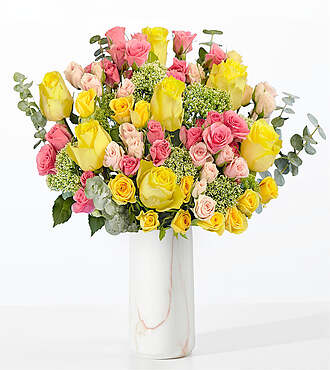
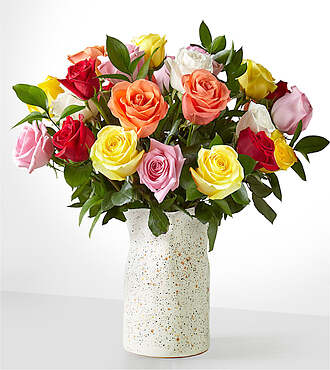
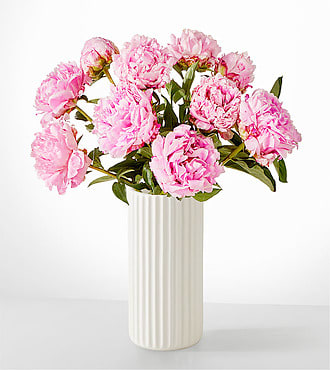
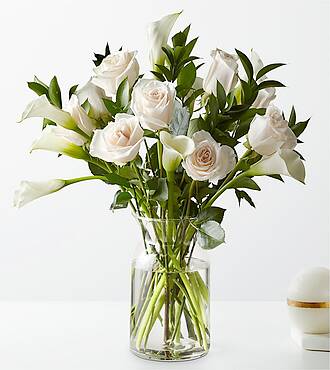
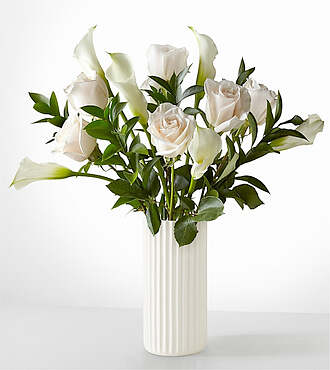
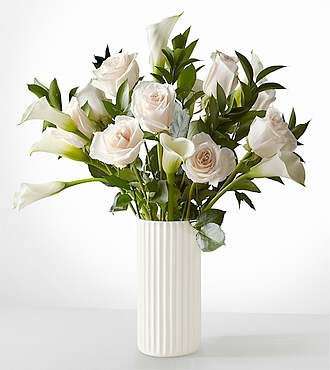
- Three of our most popular arrangements at our Halawa florist are: Beautiful Day Bouquet ($69.90), Fondly Bouquet ($49.90), Pure Romance Rose Bouquet ($59.90). All are available for same-day delivery.
More About Halawa
Are looking for a Halawa florist because you are not local to the area? If so, here is a brief travelogue of what Halawa has to offer. Who knows, perhaps you'll be intrigued enough to come visit soon, partake in some of the fun activities Halawa has to offer and deliver flowers to your loved one in person!
Halawa Valley does not so much announce itself as unfold, layer by layer, in the slanting gold of a Molokai morning. The road here is a single thread of asphalt that clings to cliffsides like an afterthought, winding past red-dirt shoulders and ironwood trees whose needles hiss in the tradewinds. To arrive is to feel the air thicken, the light soften, the world’s volume dial turned decisively toward green. This is not the Hawaii of ukulele soundtracks or neon-lit luaus. Halawa operates on a different frequency, one calibrated by rainfall, tide cycles, and the patient rhythms of lo‘i kalo, the terraced taro patches that have sustained families here for over a millennium.
What strikes you first is the valley’s insistence on collaboration. The land does not yield to human will but negotiates with it. Streams diverted by ancient hands still funnel water through aqueducts of stone, feeding emerald paddies where leaves spread like open palms. Farmers bend knee-deep in mud, their movements precise as liturgy, planting stems in patterns their grandparents taught them. Children scamper along berms, feet memorizing the contours of a livelihood older than surnames. The taro itself, knobby, unglamorous, becomes a kind of protagonist. It demands care, rewards reverence, and anchors a culture that measures wealth in reciprocity. “We feed the ‘aina,” a farmer tells you, dirt creasing his smile, “and it feeds us back.”

Same day service available. Order your Halawa floral delivery and surprise someone today!
The valley’s cathedral-like silence amplifies small sounds: the plip of a falling mango, the creak of bamboo groves, the distant percussion of Mo‘oula Falls churning its eternal rinse cycle. Hiking the trail to those falls, you pass remnants of heiau platforms where ancestors once chanted to gods now folded into the wind. History here is not behind glass but underfoot, woven into the fishtraps of ‘Ualapue Pond and the petroglyphs worn smooth by centuries of rain. Guides speak of these places with a familiarity that transcends ownership; they are less custodians than conversation partners in a dialogue that began long before them.
What Halawa offers, beyond postcard vistas, is a masterclass in presence. Days dilate. The compulsive itch to document, to narrativize, gives way to the sheer fact of plumeria scent or the way afternoon light turns the Pacific into a sheet of hammered silver. Locals greet you not with aloha shirts but with aloha itself, an ethos that conflates hospitality with kinship. Neighbors share papayas the size of toddlers. Strangers become uncles within minutes. You learn that “How’s your day?” here is not small talk but an actual question, awaiting an actual answer.
Yet resilience underpins the idyll. Halawa has survived tsunamis, droughts, the slow bleed of modernity luring its youth toward flashier zip codes. What keeps the valley intact is a stubborn kind of love. Families still debate irrigation rights under the same kukui trees their great-greats planted. Elders teach toddlers to husk coconuts with the focus of surgeons. When storms strip hillsides bare, replanting begins before the clouds part. There’s no performative nostalgia in this, just the understanding that some threads must not snap.
To visit is to confront a paradox: a place that feels both achingly specific and eerily familiar, as if your bones recognize a rhythm they’d forgotten. You leave with soles caked in red mud, pockets heavy with mangoes gifted by someone’s auntie, and the unshakable sense that Halawa’s true product isn’t taro or tourism but time itself, time unbroken, cyclical, generous. It lingers like the valley’s mist, clinging to your skin long after you’ve crested the ridge and returned to a world frantic with clocks.