





- Best Value
- Best Sellers
- Lilies
 $49.90




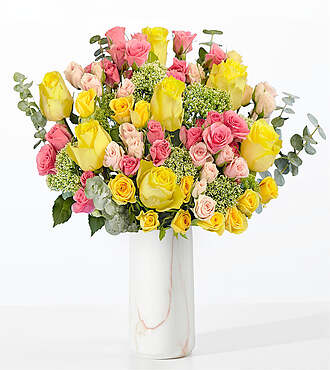
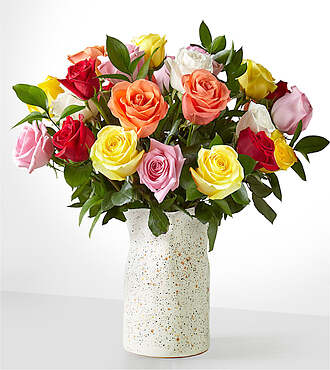
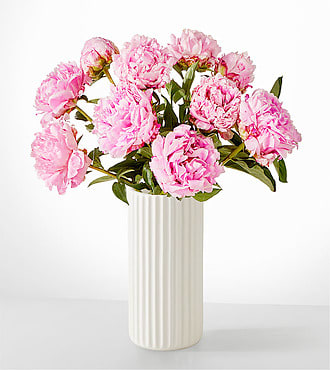
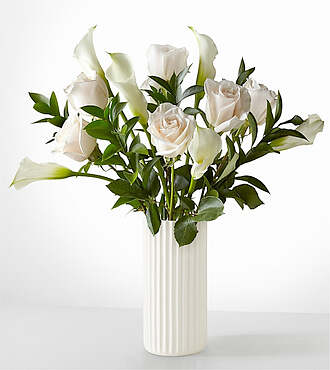
- $49.90

July 1, 2026
Mililani Town July Floral Selection
The Bloom Central flower delivery of the month for July in Mililani Town is the Long Stem Red Rose Bouquet

Introducing the exquisite Long Stem Red Rose Bouquet from Bloom Central, a floral arrangement that is sure to steal her heart. With its classic and timeless beauty, this bouquet is one of our most popular, and for good reason.
The simplicity of this bouquet is what makes it so captivating. Each rose stands tall with grace and poise, showcasing their velvety petals in the most enchanting shade of red imaginable. The fragrance emitted by these roses fills the air with an intoxicating aroma that evokes feelings of love and joy.
A true symbol of romance and affection, the Long Stem Red Rose Bouquet captures the essence of love effortlessly. Whether you want to surprise someone special on Valentine's Day or express your heartfelt emotions on an anniversary or birthday, this bouquet will leave the special someone speechless.
What sets this bouquet apart is its versatility - it suits various settings perfectly! Place it as a centerpiece during candlelit dinners or adorn your living space with its elegance; either way, you'll be amazed at how instantly transformed your surroundings become.
Purchasing the Long Stem Red Rose Bouquet from Bloom Central also comes with peace of mind knowing that they source only high-quality flowers directly from trusted growers around the world.
If you are searching for an unforgettable gift that speaks volumes without saying a word - look no further than the breathtaking Long Stem Red Rose Bouquet from Bloom Central! The timeless beauty, delightful fragrance and effortless elegance will make anyone feel cherished and loved. Order yours today and let love bloom!
Mililani Town Florist
Mililani Town Flower Delivery - Frequently Asked Questions
- Does Bloom Central offer same-day flower delivery in Mililani Town?
- Yes. Place your order online before 1:00 PM and a local Mililani Town florist will hand-deliver your arrangement the same day. Orders can also be scheduled up to one month in advance.
- Is it safe to order flowers online?
- Absolutely! We utilize a secure, encrypted checkout to protect your personal and payment information. Visa, Mastercard, American Express, Discover, PayPal and Klarna are all accepted.
- What funeral homes does Bloom Central deliver sympathy flowers to in Mililani Town?
- We hand-deliver sympathy and memorial floral arrangements to all funeral homes near Mililani Town, including: Ballard Family Moanalua Mortuary, Borthwick Mortuary, Byodo-In Temple, Diamond Head Mortuary, Flowers by Fletcher, Hawaii Ash Scatterings, Hawaii State Veterans Cemetery, Hawaiian Memorial Park Cemetery, Hawaiian Memorial Park Mortuary, Hosoi Garden Mortuary, Leeward Funeral Home, Mililani Downtown Mortuary, Mililani Memorial Park & Mortuary, Nuuanu Memorial Park & Mortuary, Oahu Mortuary, Rainbow Pigeons, Ultimate Cremation Services, Valley of the Temples.
- What nearby cities does Bloom Central also deliver flowers to?
- In addition to Mililani Town, we deliver fresh flowers to many nearby cities including: Waipio Acres, Mililani Mauka, Wheeler AFB, Waipio, Royal Kunia, Waikele, Wahiawa, Waipahu
- What are the most popular flower arrangements at the Mililani Town florist?
- Three of our most popular arrangements at our Mililani Town florist are: Eggcellent Blooms Basket ($54.90), Acorn Lane Bouquet ($49.90), Gourdgeous Pumpkin ($59.90). All are available for same-day delivery.
More About Mililani Town
Are looking for a Mililani Town florist because you are not local to the area? If so, here is a brief travelogue of what Mililani Town has to offer. Who knows, perhaps you'll be intrigued enough to come visit soon, partake in some of the fun activities Mililani Town has to offer and deliver flowers to your loved one in person!
Mililani Town sits on the central plateau of O’ahu like a carefully arranged Zen garden that somehow learned to hum. The air here carries the scent of plumeria and freshly cut grass, a combination so specific it feels engineered by some benevolent higher power. Morning mist clings to the Ko’olau Range to the east, and the town’s streets, clean, winding, lined with rainbow-hued homes, begin to stir. Roosters, feral descendants of plantation-era birds, patrol sidewalks with a territorial swagger. Kids in flip-flops dart toward school buses. Parents wave from driveways. There’s a rhythm here, a syncopated calm that defies the chaos of the island’s tourist-choked coasts.
To call Mililani a “planned community” feels reductively corporate, like describing a coral reef as a real estate venture. Developed in the late ’60s, it was designed not just to house families but to engineer a kind of collective exhale. The neighborhoods unfold in concentric circles, each cul-de-sac a self-contained universe of barbecues, skateboards, and garage doors left open to let the trade winds through. Parks dot the grid like emerald punctuation marks. At Mililani District Park, you’ll find toddlers wobbling on balance bikes and Filipino uncles playing pickup basketball under the equatorial sun. The place thrums with a quiet democracy of leisure.

Same day service available. Order your Mililani Town floral delivery and surprise someone today!
What’s unnerving, at first, is how nice everyone is. Not the performative hospitality of resort staff, but a genuine, almost radical openness. Strangers nod. Cashiers ask about your day and mean it. Teens at the Mililani Town Center food trucks say “auntie” and “uncle” to elders they’ve never met. The diversity, Japanese, Hawaiian, Samoan, Chinese, Haole, isn’t a buzzword here. It’s the texture of life. At the weekly farmers’ market, grandmothers sell lychee and taro next to millennials hawking vegan poke. The word “aloha” here isn’t a souvenir keychain. It’s a verb.
The genius of Mililani lies in its refusal to choose between progress and tradition. Solar panels glint on rooftops, but the streets still bear Hawaiian names that trip haoles’ tongues: Kuaoa, Meheula, Lawe. The high school’s championship football team practices under the same skies where ancient navigators once charted stars. Developers left pockets of land wild, so even in the most suburban stretches, you’ll stumble upon stands of ironwood trees or the sudden, heart-stopping green of a pineapple field. History isn’t preserved behind glass. It’s mulch in community gardens.
And then there’s the light. Hawaiian light deserves its own taxonomy, but Mililani’s variant, filtered through cloud cover, diffused by elevation, has a softened brilliance. It turns sidewalks into kinetic art as mango leaves flicker shadows across concrete. It makes rainbows routine. At dusk, when the sun dips behind the Wai’anae Range, the sky stages a daily spectacle of pinks and oranges so vivid they feel like a friendly mockery of mainland sunsets. Residents pause. They watch. They know better than to take it for granted.
The mainland transplants here, and there are many, often speak of Mililani in tones of bewildered gratitude. They came for military postings or tech jobs or a vague longing to escape the grind. They stay because the place does something quietly subversive: It insists that community can be intentional. That modernity doesn’t have to erase culture. That a suburb can breathe.
By 8 p.m., the streets empty. Cicadas rev their nocturnes. Geckos patrol window screens. Somewhere, a ukulele practices a song everyone knows by heart. The stars here aren’t the blinded ones of Honolulu’s light pollution but a dusty spill of clarity. You can still see the Milky Way. You can still hear yourself think.
Mililani Town isn’t paradise. Paradise is a lazy fantasy, a postcard. This is something better: a home that works, a town that bends without breaking, a pocket of humanity where the social contract feels less like a document and more like a shared joke. It’s what happens when you design for people instead of profit, when you prioritize shade trees over parking lots, when you remember that “heavenly” (the rough translation of “Mililani”) isn’t a destination but a way of moving through the world.