





- Birthday
- Best Sellers
- Lilies



 $49.90
July 1, 2026
Cannelton July Floral Selection
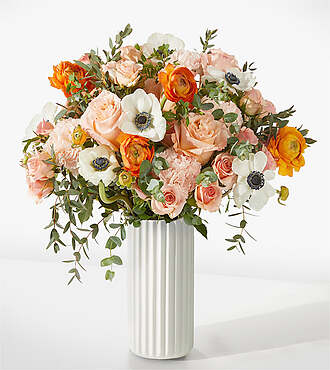
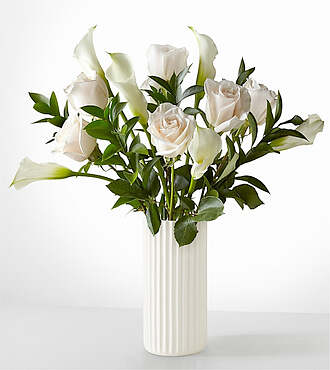
The Bloom Central flower delivery of the month for July in Cannelton is the Graceful Grandeur Rose Bouquet
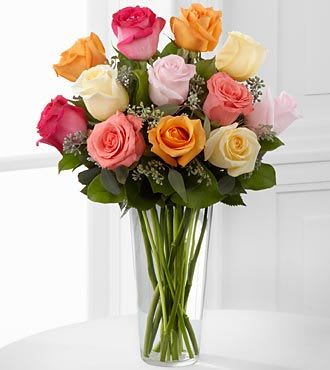
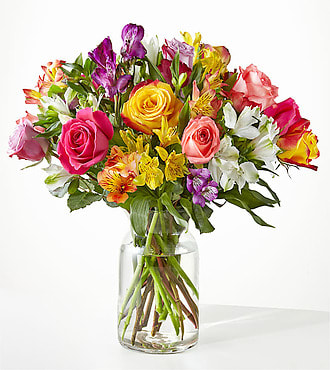
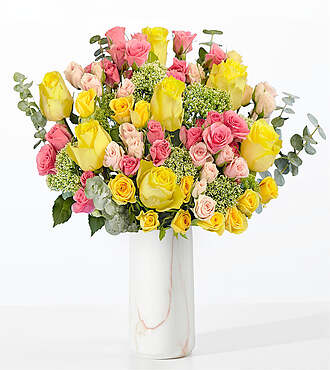
The Graceful Grandeur Rose Bouquet from Bloom Central is simply stunning. With its elegant and sophisticated design, it's sure to make a lasting impression on the lucky recipient.
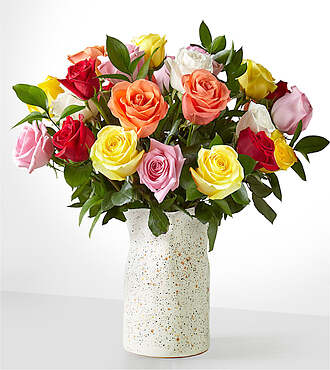
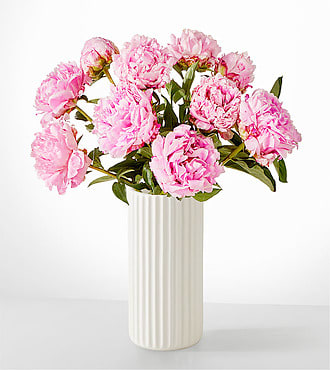
This exquisite bouquet features a generous arrangement of lush roses in shades of cream, orange, hot pink, coral and light pink. This soft pastel colors create a romantic and feminine feel that is perfect for any occasion.
The roses themselves are nothing short of perfection. Each bloom is carefully selected for its beauty, freshness and delicate fragrance. They are hand-picked by skilled florists who have an eye for detail and a passion for creating breathtaking arrangements.
The combination of different rose varieties adds depth and dimension to the bouquet. The contrasting sizes and shapes create an interesting visual balance that draws the eye in.
What sets this bouquet apart is not only its beauty but also its size. It's generously sized with enough blooms to make a grand statement without overwhelming the recipient or their space. Whether displayed as a centerpiece or placed on a mantelpiece the arrangement will bring joy wherever it goes.
When you send someone this gorgeous floral arrangement, you're not just sending flowers - you're sending love, appreciation and thoughtfulness all bundled up into one beautiful package.
The Graceful Grandeur Rose Bouquet from Bloom Central exudes elegance from every petal. The stunning array of colorful roses combined with expert craftsmanship creates an unforgettable floral masterpiece that will brighten anyone's day with pure delight.
Local Flower Delivery in Cannelton
Cannelton Flower Delivery - Frequently Asked Questions
- Does Bloom Central offer same-day flower delivery in Cannelton?
- Yes. Place your order online before 1:00 PM and a local Cannelton florist will hand-deliver your arrangement the same day. Orders can also be scheduled up to one month in advance.
- Is it safe to order flowers online?
- Absolutely! We utilize a secure, encrypted checkout to protect your personal and payment information. Visa, Mastercard, American Express, Discover, PayPal and Klarna are all accepted.
- What funeral homes does Bloom Central deliver sympathy flowers to in Cannelton?
- We hand-deliver sympathy and memorial floral arrangements to all funeral homes near Cannelton, including: Boone Funeral Home, Crumes Monuments, Dermitt Funeral Home, Glenn Funeral Home and Crematory, Greenwood Cemetery, Haley-McGinnis Funeral Home & Crematory, Memory Portraits, Oak Hill Cemetery, Owensboro Memorial Gardens, Sunset Funeral Home, Cremation Center & Cemetery.
- What churches does Bloom Central deliver flowers to in Cannelton?
- We deliver fresh floral arrangements to all churches and places of worship in Cannelton, including: First Baptist Church.
- What nearby cities does Bloom Central also deliver flowers to?
- In addition to Cannelton, we deliver fresh flowers to many nearby cities including: Tell City, Troy, Huff, Rockport, Santa Claus, Grass, Carter, Oil
- What are the most popular flower arrangements at the Cannelton florist?
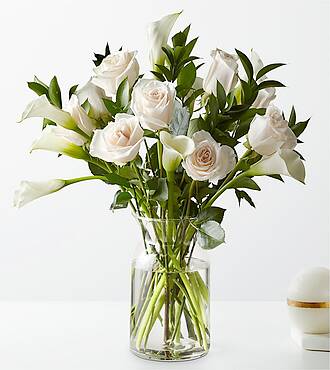
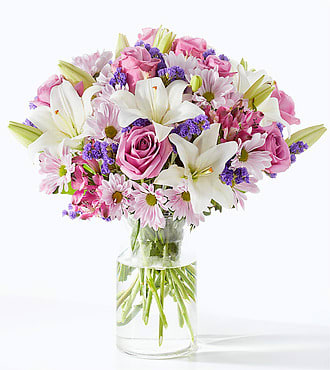
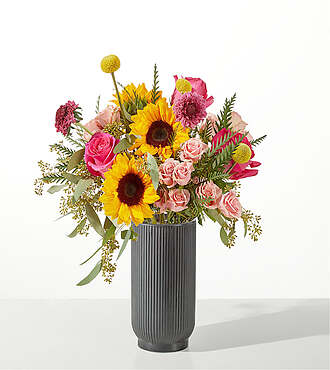
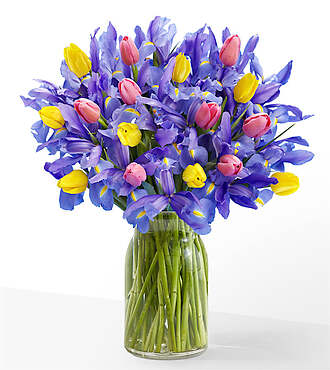
- Three of our most popular arrangements at our Cannelton florist are: Honeycrisp Bouquet ($54.90), Fiesta Bouquet ($66.90), Sapphire Rush Bouquet ($49.90). All are available for same-day delivery.
More About Cannelton
Are looking for a Cannelton florist because you are not local to the area? If so, here is a brief travelogue of what Cannelton has to offer. Who knows, perhaps you'll be intrigued enough to come visit soon, partake in some of the fun activities Cannelton has to offer and deliver flowers to your loved one in person!
Cannelton, Indiana sits on the banks of the Ohio River like a quiet guest at a party who turns out to be the most interesting person in the room. The town’s streets slope downward toward the water, as if pulled by the river’s ancient, unhurried logic. To stand here is to feel time as a texture, rough-hewn and layered, sandstone and silt. The Cannelton Cotton Mill looms over the town, its brick facade the color of aged honey. Built in the 19th century, the mill is a monument to labor that outlasts the laborers. Today, its windows catch the sun and throw it back in pieces, a kind of semaphore. The building does not mourn its past. It hums with the presence of what is now: small businesses, echoes of children’s laughter from the adjacent park, the faint percussion of tools in the hands of someone who still believes in fixing things.
People here move with the deliberateness of those who know their motions are part of a collective choreography. A woman tends roses in a yard no bigger than a postage stamp. A man in a ball cap waves at a passing pickup, though he can’t see the driver’s face. There is a grammar to these gestures, a syntax of small kindnesses. You notice the absence of neon. The grocery store’s sign is hand-painted. The diner serves pie in slices so generous they seem like a moral argument against moderation.

Same day service available. Order your Cannelton floral delivery and surprise someone today!
The Ohio River is both boundary and connective tissue. It separates Indiana from Kentucky, but it also feeds the soil, carries the barges, mirrors the sky. Kids skip stones where the water licks the shore. Fishermen cast lines with the patience of monks. The river does not hurry. It has a contract with gravity, and it trusts the terms. In the evenings, the light turns the surface bronze, and the town seems to hold its breath for a moment, aware of its own fleetingness.
History here is not a museum. It’s the scent of freshly cut limestone from a quarry that has operated for two centuries. It’s the way the old courthouse clock still keeps time, even if everyone’s phone does too. The past is not preserved behind glass. It is sanded into porch railings, baked into the bread at the corner bakery, folded into the soil of community gardens where tomatoes grow fat and unselfconscious.
The school’s playground teems with a democracy of noise. Children invent games with rules that change as needed. A teacher on recess duty leans against a fence, half-watching, half-remembering. You get the sense that everyone here is both student and teacher, that the transmission of knowledge is a casual sacrament. The library, housed in a building that once served as a church, has shelves that creak under the weight of stories. A teenager thumbs through a graphic novel. A retiree reads a biography of Lincoln. The librarian stamps due dates without looking, her hands fluent in the ritual.
Something about Cannelton resists the adjective “quaint.” Quaintness is a performance. This town is too busy being itself to audition. The sidewalks buckle slightly, as if the earth beneath is shifting to get comfortable. Gardens overflow with blooms that have no names. Dogs nap in patches of shade that move with the sun. There is a tenderness here, an unforced regard for the fragile, vital project of keeping a place alive.
To leave is to carry the scent of river mud and mowed grass, the sound of a train horn blending with the wind. You realize you’ve been given something, not a postcard, but a lens. The world feels briefly clearer, as if you’ve been taught how to look.