





- Birthday
- Best Sellers
- Under $60
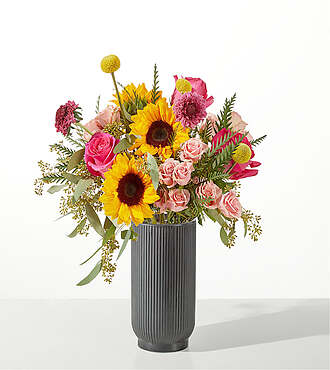
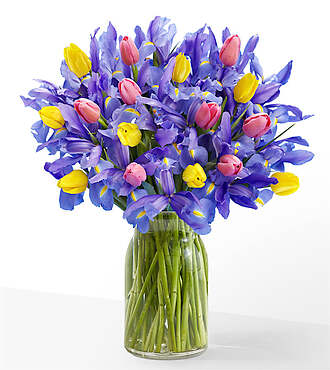
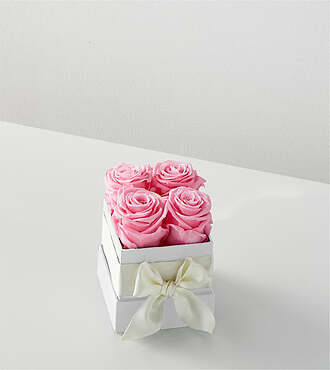
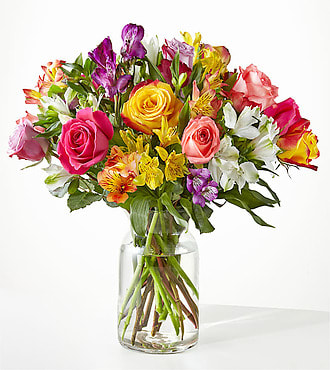
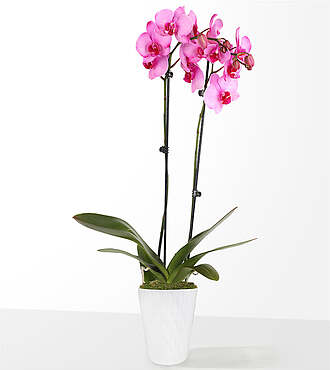
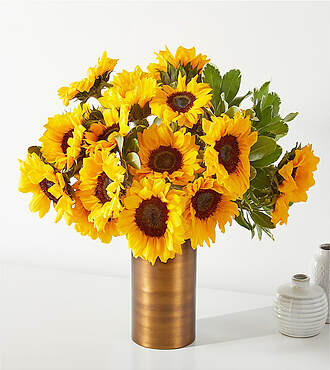
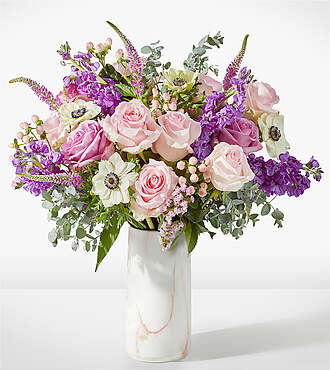
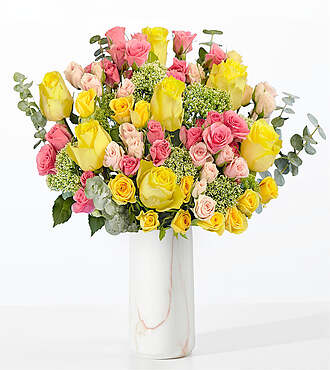
 $49.90
July 1, 2026
Nashua July Floral Selection
The Bloom Central flower delivery of the month for July in Nashua is the Love is Grand Bouquet
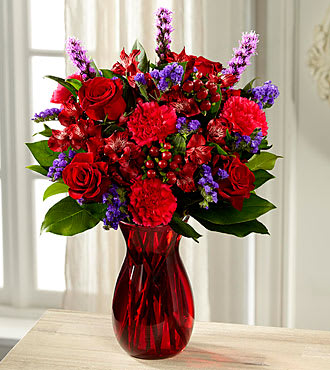
The Love is Grand Bouquet from Bloom Central is an exquisite floral arrangement that will make any recipient feel loved and appreciated. Bursting with vibrant colors and delicate blooms, this bouquet is a true showstopper.
With a combination of beautiful red roses, red Peruvian Lilies, hot pink carnations, purple statice, red hypericum berries and liatris, the Love is Grand Bouquet embodies pure happiness. Bursting with love from every bloom, this bouquet is elegantly arranged in a ruby red glass vase to create an impactive visual affect.
One thing that stands out about this arrangement is the balance. Each flower has been thoughtfully selected to complement one another, creating an aesthetically pleasing harmony of colors and shapes.
Another aspect we can't overlook is the fragrance. The Love is Grand Bouquet emits such a delightful scent that fills up any room it graces with its presence. Imagine walking into your living room after a long day at work and being greeted by this wonderful aroma - instant relaxation!
What really sets this bouquet apart from others are the emotions it evokes. Just looking at it conjures feelings of love, appreciation, and warmth within you.
Not only does this arrangement make an excellent gift for special occasions like birthdays or anniversaries but also serves as a meaningful surprise gift just because Who wouldn't want to receive such beauty unexpectedly?
So go ahead and surprise someone you care about with the Love is Grand Bouquet. This arrangement is a beautiful way to express your emotions and remember, love is grand - so let it bloom!
Nashua Iowa Flower Delivery
Nashua Flower Delivery - Frequently Asked Questions
- Does Bloom Central offer same-day flower delivery in Nashua?
- Yes. Place your order online before 1:00 PM and a local Nashua florist will hand-deliver your arrangement the same day. Orders can also be scheduled up to one month in advance.
- Is it safe to order flowers online?
- Absolutely! We utilize a secure, encrypted checkout to protect your personal and payment information. Visa, Mastercard, American Express, Discover, PayPal and Klarna are all accepted.
- What hospitals and care facilities does Bloom Central deliver to in Nashua?
- We deliver fresh flower arrangements to all hospitals, nursing homes and care facilities in Nashua Iowa, including: Cedar Vale.
- What funeral homes does Bloom Central deliver sympathy flowers to in Nashua?
- We hand-deliver sympathy and memorial floral arrangements to all funeral homes near Nashua, including: Black Hawk Memorial Company, Elmwood-St Joseph Cemetery, Jamison-Schmitz Funeral Homes, Mentor Fay Cemetery, Parrott & Wood Funeral Home, Redman-Schwartz Funeral Homes.
- What nearby cities does Bloom Central also deliver flowers to?
- In addition to Nashua, we deliver fresh flowers to many nearby cities including: Charles City, Clarksville, New Hampton, Greene, Waverly, Shell Rock, Fredericksburg, Tripoli
- What are the most popular flower arrangements at the Nashua florist?
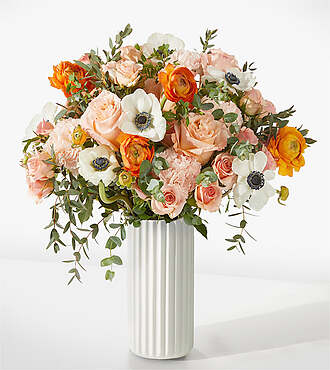
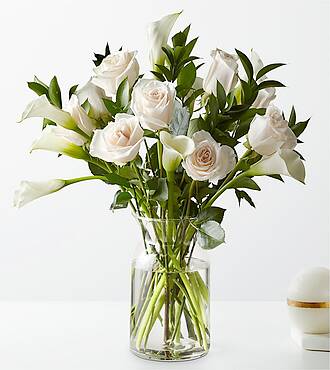
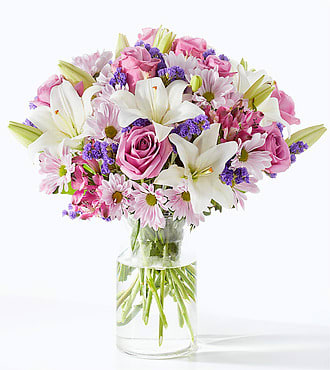
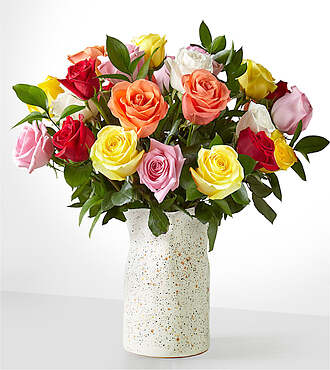
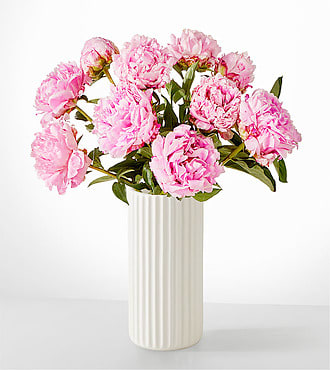
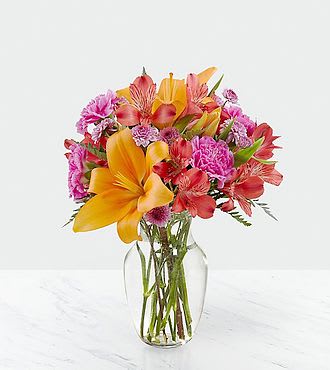
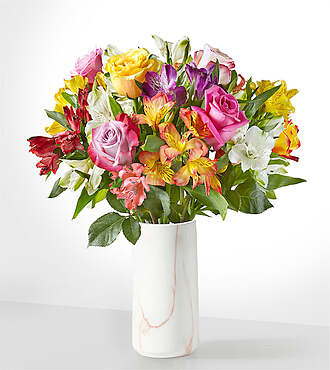
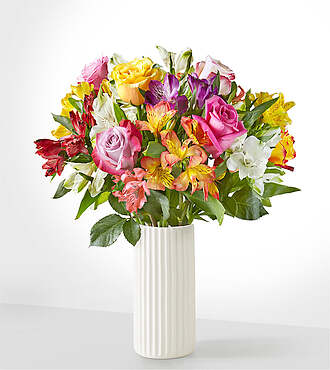
- Three of our most popular arrangements at our Nashua florist are: Color Rush Bouquet ($49.90), Beautiful Expressions Bouquet ($64.90), Countryside Bouquet ($44.90). All are available for same-day delivery.
More About Nashua
Are looking for a Nashua florist because you are not local to the area? If so, here is a brief travelogue of what Nashua has to offer. Who knows, perhaps you'll be intrigued enough to come visit soon, partake in some of the fun activities Nashua has to offer and deliver flowers to your loved one in person!
Nashua, Iowa, sits where the Cedar River flexes its muscle, bending the land into something that feels both deliberate and accidental. The sun rises here with a Midwestern patience, spilling light over cornfields that stretch like taut sheets, over the sort of downtown where brick facades hold the whispers of five-and-dime eras. You notice first the quiet, which isn’t an absence so much as a presence, a low hum of combine engines, the rustle of soybeans in wind, the creak of porch swings bearing the weight of old-timers who still call the evening news “the news.” This is a town that exists in the American imagination as much as on the map, a place where the word “community” isn’t an abstraction but a thing you bump into at the hardware store, where the clerk knows your lawnmower model by heart.
The heart of Nashua beats in its contradictions. There’s a 21st-century school with solar panels angled toward the sky, yet the classrooms smell of the same chalkdust that haunted your grandparents. Kids here text each other about softball practice but still pedal bikes down streets named after trees, baseball cards clothespinned to spokes. The past isn’t preserved behind glass so much as invited to pull up a chair. At the Little Brown Church, a white-steepled relic from 1856, couples still marry under the motto “Where Nothing Ever Happens,” a joke that’s also a quiet manifesto. The church’s guestbook stretches back decades, names stacked like stones, a ledger of vows and road-trippers who paused long enough to let the silence uncurl something in them.

Same day service available. Order your Nashua floral delivery and surprise someone today!
Downtown’s storefronts wear fresh paint but refuse to gentrify. At the Family Diner, the coffee is bottomless and the pie crusts could double as architectural models. Regulars orbit the counter with the ease of planets, swapping weather reports and fishing tips. You get the sense that if a stranger walked in and shouted “Who’s in charge here?” everyone would just smile and point to the rotating display of student art above the napkin dispenser. The library, a Carnegie relic with creaky floors, hosts toddlers for story hour and teenagers hunched over laptops, both groups equally intent on bending the world into something comprehensible.
The river itself is both boundary and connective tissue. In summer, kayaks dart like water striders while retirees cast lines for catfish they’ll release anyway. The park along the bank has a pavilion where families reunite under the fluorescent buzz of reunion potlucks, their laughter blending with the cicadas’ thrum. In winter, the river stiffens into a glassy plane, and the brave or foolhardy test its surface, their breath hanging in clouds that mimic the steam rising from the power plant a mile east. That plant, with its plumes and turbines, employs half the town, its parking lot a mosaic of pickup trucks and car seats, a reminder that industry here is neither villain nor savior but a neighbor who occasionally borrows your ladder.
What’s easy to miss, unless you linger, is how Nashua’s rhythm syncs with something deeper than nostalgia. The town doesn’t ignore the present; it metabolizes it. A new housing development sprouts on the edge of town, but the streets are named after local veterans. The high school’s coding club meets in the same room where FFA students plot soil pH experiments. At the annual fall festival, the parade features tractors polished to a showroom sheen, followed by kids tossing candy to grandparents filming on iPhones. It’s a place where time doesn’t flatten but layers, each era leaning into the next.
To call Nashua quaint is to undersell it. This isn’t a postcard or a time capsule. It’s a living argument for the possibility that a town can bend without breaking, that progress and continuity might, on certain days, hold hands. You leave thinking not about the specifics, the river, the church, the pie, but about the way a shared laugh in a diner can feel like a kind of gravity, pulling everything into orbit around what matters.