





- Best Value
- Best Sellers
- Vased
 $49.90


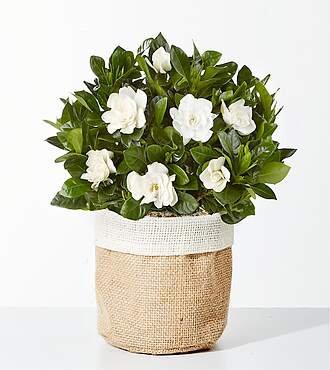


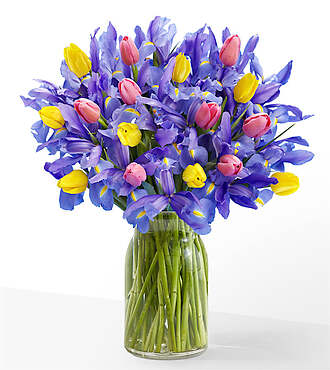


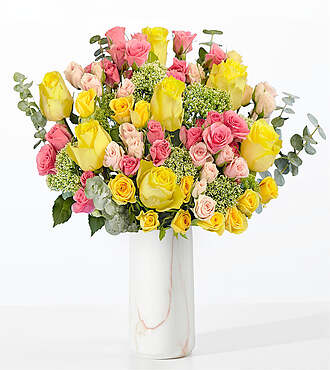
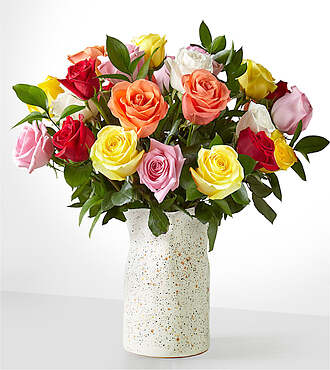
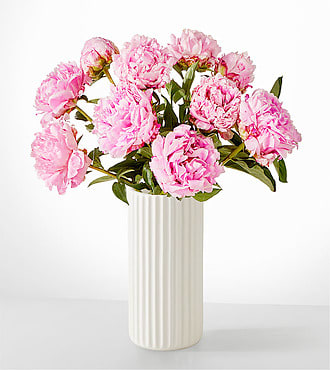
- $49.90
- $79.90
- $74.90
- $69.90



July 1, 2026
Oberlin July Floral Selection
The Bloom Central flower delivery of the month for July in Oberlin is the All For You Bouquet
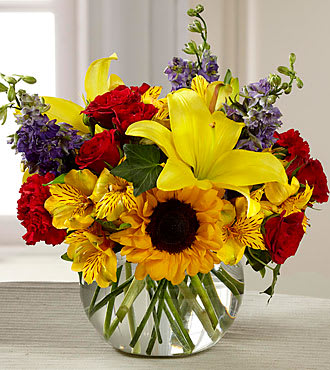
The All For You Bouquet from Bloom Central is an absolute delight! Bursting with happiness and vibrant colors, this floral arrangement is sure to bring joy to anyone's day. With its simple yet stunning design, it effortlessly captures the essence of love and celebration.
Featuring a graceful assortment of fresh flowers, including roses, lilies, sunflowers, and carnations, the All For You Bouquet exudes elegance in every petal. The carefully selected blooms come together in perfect harmony to create a truly mesmerizing display. It's like sending a heartfelt message through nature's own language!
Whether you're looking for the perfect gift for your best friend's birthday or want to surprise someone dear on their anniversary, this bouquet is ideal for any occasion. Its versatility allows it to shine as both a centerpiece at gatherings or as an eye-catching accent piece adorning any space.
What makes the All For You Bouquet truly exceptional is not only its beauty but also its longevity. Crafted by skilled florists using top-quality materials ensures that these blossoms will continue spreading cheer long after they arrive at their destination.
So go ahead - treat yourself or make someone feel extra special today! The All For You Bouquet promises nothing less than sheer joy packaged beautifully within radiant petals meant exclusively For You.
Oberlin Kansas Flower Delivery
Oberlin Flower Delivery - Frequently Asked Questions
- Does Bloom Central offer same-day flower delivery in Oberlin?
- Yes. Place your order online before 1:00 PM and a local Oberlin florist will hand-deliver your arrangement the same day. Orders can also be scheduled up to one month in advance.
- Is it safe to order flowers online?
- Absolutely! We utilize a secure, encrypted checkout to protect your personal and payment information. Visa, Mastercard, American Express, Discover, PayPal and Klarna are all accepted.
- What hospitals and care facilities does Bloom Central deliver to in Oberlin?
- We deliver fresh flower arrangements to all hospitals, nursing homes and care facilities in Oberlin Kansas, including: Decatur County Hospital, Good Samaritan Society - Decatur County.
- What churches does Bloom Central deliver flowers to in Oberlin?
- We deliver fresh floral arrangements to all churches and places of worship in Oberlin, including: The United Church Of Oberlin.
- What nearby cities does Bloom Central also deliver flowers to?
- In addition to Oberlin, we deliver fresh flowers to many nearby cities including: Atwood, Center-District 1, Hoxie, Norton, Colby, Hill City
- What are the most popular flower arrangements at the Oberlin florist?
- Three of our most popular arrangements at our Oberlin florist are: Outdoors Bouquet ($54.90), True Charm Bouquet ($49.90), Loving Light Dishgarden ($69.90). All are available for same-day delivery.
More About Oberlin
Are looking for a Oberlin florist because you are not local to the area? If so, here is a brief travelogue of what Oberlin has to offer. Who knows, perhaps you'll be intrigued enough to come visit soon, partake in some of the fun activities Oberlin has to offer and deliver flowers to your loved one in person!
Oberlin, Kansas, announces itself not with fanfare but with the quiet persistence of a place that knows exactly what it is. You approach on Highway 36, a seam stitching together the quilted plains, and the horizon stretches like a yawn. The town sits under a sky so vast it feels less like a canopy than a corrective lens, everything here comes into focus slowly, insistently, as if the land itself resists haste. Grain elevators rise like sentinels, their silver bodies catching the sun, and the air carries the scent of turned earth and diesel, the musk of labor. This is a town where the wind has a voice, hissing through wheat fields, humming along power lines, whispering stories older than the railroad tracks that once brought settlers hungry for something they couldn’t name.
People here move with the rhythms of seasons, not screens. Farmers pilot combines across oceans of amber grain, their hands rough as bark, eyes squinted against the glare. Kids pedal bikes down streets named after trees, backpacks bouncing, laughter trailing behind them like streamers. At the Last Indian Raid Museum, history isn’t encased in glass but breathes in the artifacts, arrowheads, homesteader journals, a faded calico dress, each object a synapse connecting past and present. The volunteer docent, whose grandfather once plowed fields with a mule, speaks not of conquest but continuity, the way roots grip soil.

Same day service available. Order your Oberlin floral delivery and surprise someone today!
Downtown, the storefronts wear coats of fresh paint, their awnings casting stripes of shade. The café on Maine Street serves pie so crisp it could shatter, the crust a testament to generational recipes guarded like state secrets. Regulars cluster at Formica tables, debating rainfall and basketball scores, their banter a dialect of mutual care. At the post office, the clerk knows every patron by name, hands over mail with a question about a sister’s health or a nephew’s graduation. Even the sidewalks seem friendly, their cracks repaired with concrete smiles.
On weekends, the park fills with families grilling burgers, the smoke curling into dusk. Teenagers dribble basketballs on cracked courts, the thump-thump syncopating with cicada song. Old-timers play chess under oaks, their moves deliberate as sermons. At the edge of town, the Oberlin Country Club’s golf course sprawls, its greens accessible to anyone with a nine-iron and a yen for open space. Retirees in visors share carts with grandkids, the game less about scores than the pleasure of watching a ball arc against a sky bruised purple with twilight.
There’s a particular genius to how Oberlin resists abstraction. This isn’t a postcard or a nostalgia act. It’s a living system, a network of sidewalks and sewers and softball leagues, of casseroles left on doorsteps after funerals, of combines idling at dawn. The school’s mascot, a Bulldog, fierce-eyed under Friday night lights, stares from murals, a symbol of grit. Teachers here know their students’ siblings, parents, sometimes grandparents, and education feels less like a transaction than a relay, knowledge passed like a baton.
To call Oberlin “ordinary” would miss the point. The ordinary, after all, is where most of life happens, where small acts accrete into something like meaning. A man fixes a neighbor’s fence without being asked. A librarian hands a child a book that becomes a secret world. The entire high school assembles to build sets for the spring musical, painting plywood castles under gym lights. This is the alchemy of community: the conversion of isolation into belonging, the way a thousand threads weave a fabric that holds.
In an age of velocity, Oberlin stands as a counterargument. The land flattens, the sky swells, and the pace insists you bend to it. You learn to notice the way light gilds a stubble field, how a joke told at the feed store can lift a day. The town doesn’t dazzle; it steadies. It reminds you that resilience isn’t spectacle, it’s showing up, again and again, for the work and the people and the day itself, which is always enough, and more than enough, if you let it be.