





- Birthday
- Best Sellers
- Under $80
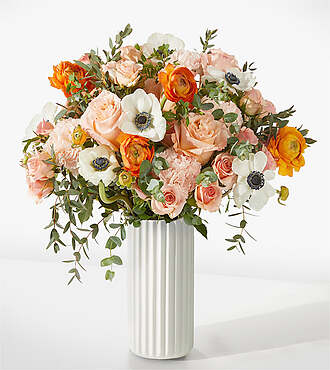
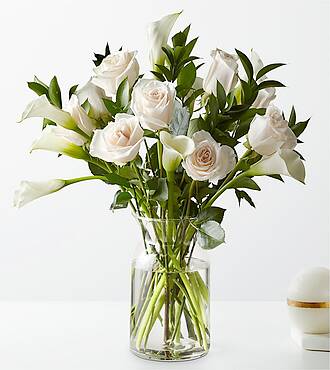
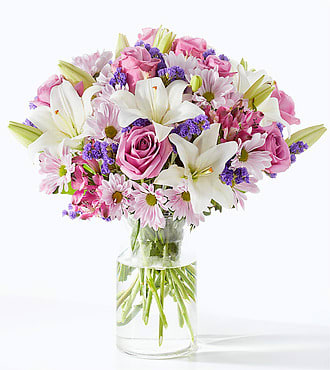


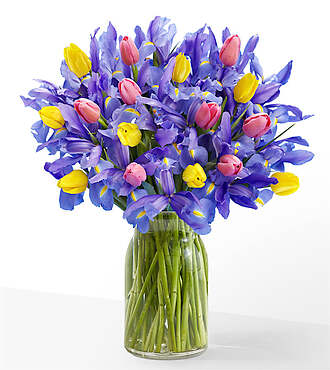


 $69.90


July 1, 2026
Haring July Floral Selection
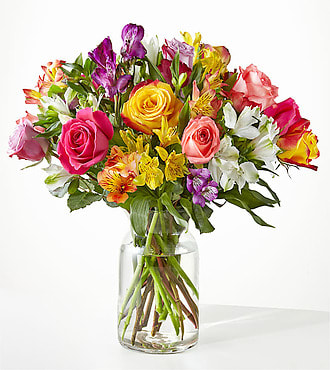
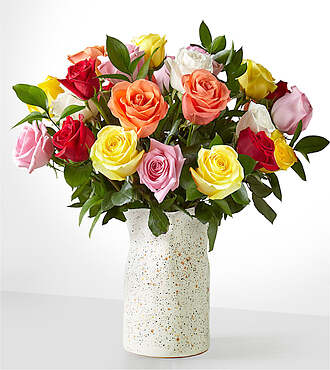
The Bloom Central flower delivery of the month for July in Haring is the Color Craze Bouquet
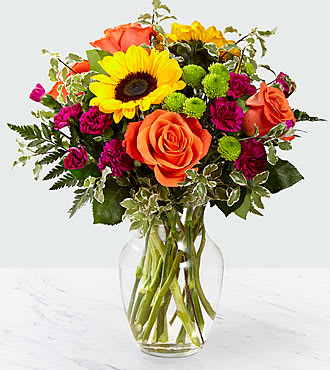
The delightful Color Craze Bouquet by Bloom Central is a sight to behold and perfect for adding a pop of vibrant color and cheer to any room.
With its simple yet captivating design, the Color Craze Bouquet is sure to capture hearts effortlessly. Bursting with an array of richly hued blooms, it brings life and joy into any space.
This arrangement features a variety of blossoms in hues that will make your heart flutter with excitement. Our floral professionals weave together a blend of orange roses, sunflowers, violet mini carnations, green button poms, and lush greens to create an incredible gift.
These lovely flowers symbolize friendship and devotion, making them perfect for brightening someone's day or celebrating a special bond.
The lush greenery nestled amidst these colorful blooms adds depth and texture to the arrangement while providing a refreshing contrast against the vivid colors. It beautifully balances out each element within this enchanting bouquet.
The Color Craze Bouquet has an uncomplicated yet eye-catching presentation that allows each bloom's natural beauty shine through in all its glory.
Whether you're surprising someone on their birthday or sending warm wishes just because, this bouquet makes an ideal gift choice. Its cheerful colors and fresh scent will instantly uplift anyone's spirits.
Ordering from Bloom Central ensures not only exceptional quality but also timely delivery right at your doorstep - a convenience anyone can appreciate.
So go ahead and send some blooming happiness today with the Color Craze Bouquet from Bloom Central. This arrangement is a stylish and vibrant addition to any space, guaranteed to put smiles on faces and spread joy all around.
Haring Michigan Flower Delivery
Haring Flower Delivery - Frequently Asked Questions
- Does Bloom Central offer same-day flower delivery in Haring?
- Yes. Place your order online before 1:00 PM and a local Haring florist will hand-deliver your arrangement the same day. Orders can also be scheduled up to one month in advance.
- Is it safe to order flowers online?
- Absolutely! We utilize a secure, encrypted checkout to protect your personal and payment information. Visa, Mastercard, American Express, Discover, PayPal and Klarna are all accepted.
- What funeral homes does Bloom Central deliver sympathy flowers to in Haring?
- We hand-deliver sympathy and memorial floral arrangements to all funeral homes near Haring, including: Covell Funeral Home, Life Story Funeral Home, Reynolds-Jonkhoff Funeral Home, Stephenson-Wyman Funeral Home, Verdun Funeral Home.
- What nearby cities does Bloom Central also deliver flowers to?
- In addition to Haring, we deliver fresh flowers to many nearby cities including: Cadillac, Selma, Clam Lake, Cherry Grove, Manton, Caldwell, Reeder, Burdell
- What are the most popular flower arrangements at the Haring florist?
- Three of our most popular arrangements at our Haring florist are: Color Crush Dishgarden ($97.90), Sweet Moments Bouquet ($49.90), Heart's Wishes Luxury Bouquet by Interflora ($229.90). All are available for same-day delivery.
More About Haring
Are looking for a Haring florist because you are not local to the area? If so, here is a brief travelogue of what Haring has to offer. Who knows, perhaps you'll be intrigued enough to come visit soon, partake in some of the fun activities Haring has to offer and deliver flowers to your loved one in person!
The town of Haring, Michigan, sits like a well-kept secret between the thumb and forefinger of the state’s mitten, a place where the sky stretches wide enough to make your breath catch and the air smells of thawing earth in spring, of woodsmoke in December. You notice things here. You notice how the postmaster waves at every passing car whether she knows the driver or not, how the diner’s neon sign hums a faint B-flat at dusk, how the high school’s marching band practices the same halftime routine every Tuesday evening as if perfection were a form of worship. Haring is the kind of town where someone has already shoveled your sidewalk before you wake, where the librarian saves new mystery novels for retirees by name, where the word “neighbor” operates as both noun and verb.
It began, as so many Midwest towns do, with trees and stubbornness. Lumberjacks and dreamers carved it from the woods in 1871, naming it after a foreman named Thomas Haring, who reportedly survived a bear attack by reciting Psalms until his crew found him bloodied but grinning. That mix of grit and theatrics still lingers. Downtown’s brick facades bear murals of cherry orchards and sailboats, painted by a rotating cast of locals who treat brushstrokes as debate, should the water look more blue or green? Is that cloud earnest or smug? The arguments end amicably, always, because the coffee at Sheila’s Corner is better when shared.

Same day service available. Order your Haring floral delivery and surprise someone today!
What defines Haring isn’t its history but its now. Each morning, kids pedal bikes past the war memorial, backpacks bouncing, shouting inside jokes that dissolve into laughter. At noon, the clang of the foundry’s lunch bell syncs with the school’s recess whistle, a accidental duet that seems to say: Work and play, play and work. By 3 p.m., the park fills with parents pushing swings, their hands arcs of gentle momentum, while teenagers lugging saxophones or soccer gear cut through the grass, their gaits oscillating between assurance and apology. You can’t walk a block without someone nodding at you, not with the performative cheer of coastal hospitality, but with a quiet I see you that feels like a hand on the shoulder.
Every September, the town throws a Harvest Walk, stringing lanterns along the river and lining Main Street with tables of zucchini bread, apple butter, quilts stitched with constellations. No one sells anything. They give. You take a jar of pickles, leave a sketch of your dog. You swap a paperback for a handful of caramel corn. The ritual isn’t about stuff but exchange, a kind of circulatory system where generosity becomes the town’s oxygen. Last year, a group of eighth graders rigged a pulley system to float tea lights down the water, and when someone asked why, they shrugged. “Pretty,” they said, as if beauty required no justification.
Haring faces the same 21st-century tremors as anywhere, the quiet anxiety of shuttered stores, the gravitational pull of cities, but its response feels singular. When the last video rental shop closed, residents turned it into a tool library: drills, sewing machines, kayaks stacked where DVDs once gathered dust. The old mill now hosts yoga classes, summer coding camps, a monthly “repair café” where elders teach kids to fix toasters and mend jeans. Adaptation here isn’t surrender but alchemy, a refusal to let decay have the last word.
Some might call it quaint, this unyielding niceness, this relentless upkeep of togetherness. But spend an afternoon watching the way Mr. Edgars tends the community garden, pocketing litter as he goes, or the way the hairdresser, Gina, memorizes her clients’ vacation stories to ask follow-up questions months later, and you start to wonder if Haring’s real innovation is treating life itself as a collaborative project. There’s no grand manifesto, no billboards boasting “Happiness Lives Here!” Just a thousand unspoken agreements to look out, to lean in, to stay.
The sun sets later in summer, gilding the baseball field where the church league plays. No one keeps score. Spectators cheer errors and home runs with equal fervor, because the point isn’t the game. The point is the light. The light, and the fact that you’re standing in it, beside people who’d notice if you weren’t.