





- Love & Romance
- Best Sellers
- Under $60
 $69.90






- $49.90

July 1, 2026
Oronoco July Floral Selection
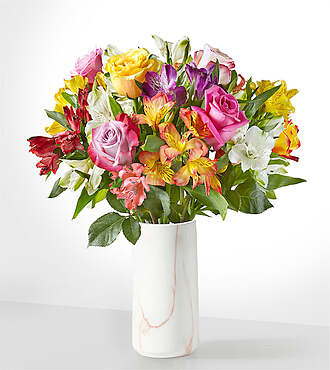
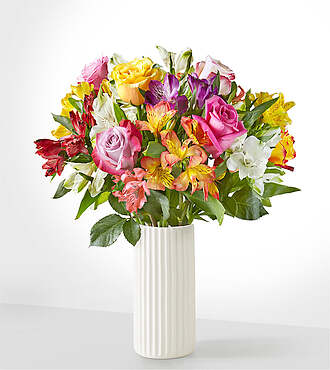
The Bloom Central flower delivery of the month for July in Oronoco is the Love is Grand Bouquet
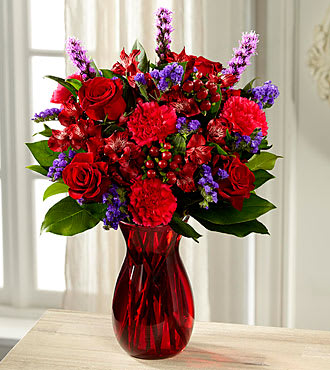
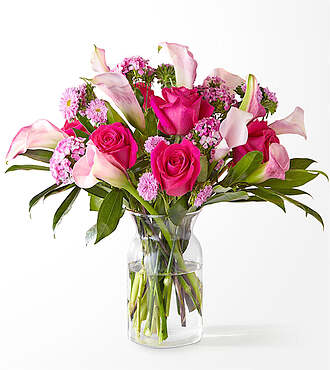
The Love is Grand Bouquet from Bloom Central is an exquisite floral arrangement that will make any recipient feel loved and appreciated. Bursting with vibrant colors and delicate blooms, this bouquet is a true showstopper.
With a combination of beautiful red roses, red Peruvian Lilies, hot pink carnations, purple statice, red hypericum berries and liatris, the Love is Grand Bouquet embodies pure happiness. Bursting with love from every bloom, this bouquet is elegantly arranged in a ruby red glass vase to create an impactive visual affect.
One thing that stands out about this arrangement is the balance. Each flower has been thoughtfully selected to complement one another, creating an aesthetically pleasing harmony of colors and shapes.
Another aspect we can't overlook is the fragrance. The Love is Grand Bouquet emits such a delightful scent that fills up any room it graces with its presence. Imagine walking into your living room after a long day at work and being greeted by this wonderful aroma - instant relaxation!
What really sets this bouquet apart from others are the emotions it evokes. Just looking at it conjures feelings of love, appreciation, and warmth within you.
Not only does this arrangement make an excellent gift for special occasions like birthdays or anniversaries but also serves as a meaningful surprise gift just because Who wouldn't want to receive such beauty unexpectedly?
So go ahead and surprise someone you care about with the Love is Grand Bouquet. This arrangement is a beautiful way to express your emotions and remember, love is grand - so let it bloom!
Oronoco Minnesota Flower Delivery
Oronoco Flower Delivery - Frequently Asked Questions
- Does Bloom Central offer same-day flower delivery in Oronoco?
- Yes. Place your order online before 1:00 PM and a local Oronoco florist will hand-deliver your arrangement the same day. Orders can also be scheduled up to one month in advance.
- Is it safe to order flowers online?
- Absolutely! We utilize a secure, encrypted checkout to protect your personal and payment information. Visa, Mastercard, American Express, Discover, PayPal and Klarna are all accepted.
- What funeral homes does Bloom Central deliver sympathy flowers to in Oronoco?
- We hand-deliver sympathy and memorial floral arrangements to all funeral homes near Oronoco, including: Acacia Park Cemetery, Anderson Henry W Mortuary, Calvary Cemetery, Flower Delivery Twin Cities FDTC, Grandview Memorial Gardens, Hill-Funeral Home & Cremation Services, Rochester Cremation Services, White Funeral Home.
- What nearby cities does Bloom Central also deliver flowers to?
- In addition to Oronoco, we deliver fresh flowers to many nearby cities including: Cascade, New Haven, Pine Island, Kalmar, Haverhill, Rochester, Byron, Elgin
- What are the most popular flower arrangements at the Oronoco florist?
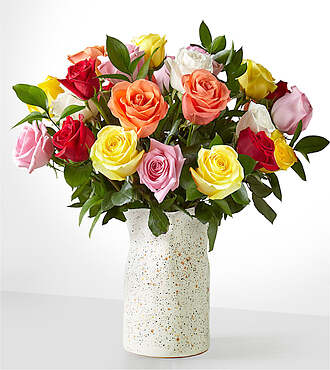
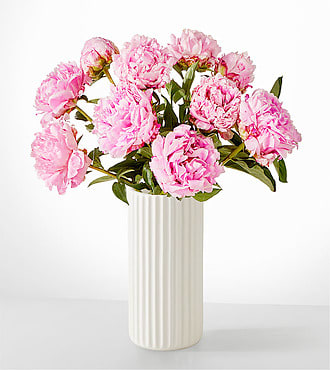
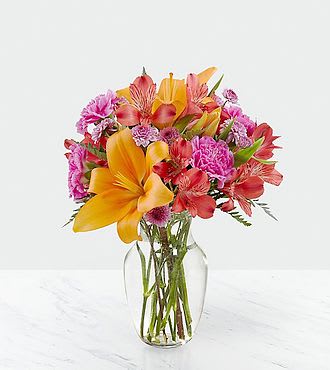
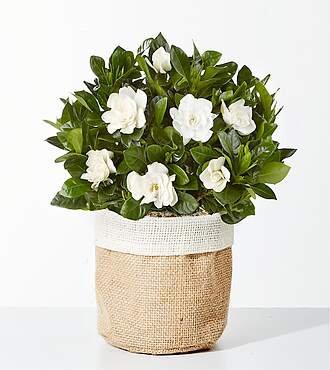
- Three of our most popular arrangements at our Oronoco florist are: Azalea Basket ($49.90), Smooth Sailing Bouquet ($49.90), Serendipitous Blossoms Bouquet ($49.90). All are available for same-day delivery.
More About Oronoco
Are looking for a Oronoco florist because you are not local to the area? If so, here is a brief travelogue of what Oronoco has to offer. Who knows, perhaps you'll be intrigued enough to come visit soon, partake in some of the fun activities Oronoco has to offer and deliver flowers to your loved one in person!
Oronoco, Minnesota, sits like a quiet secret along the bends of the Zumbro River, a place where the sky stretches wide enough to make even the most jaded visitor feel small in the best way. The town’s name hums with history, Oronoco, borrowed from a Virginia plantation, a nod to some forgotten thread of antebellum ambition, now softened by Midwestern pragmatism. Drive through on a weekday and you’ll see a main street that seems plucked from a postcard nobody sends anymore: a clapboard café with pies rotating in a glass case, a hardware store selling nails by the pound, a library where the librarian knows your late fees by heart. But to call it quaint feels lazy, a disservice to the pulse beneath the surface. This is a town that survives not on nostalgia but on the quiet work of staying alive.
Come summer, the riverbanks buzz with motion. Kids cannonball off rope swings, their laughter echoing like punctuation. Fishermen in waders cast lines with the patience of saints, though their real meditation might be the way the water braids around their knees. Cyclists glide along the Douglas Trail, past fields of soybeans that ripple like green oceans, and you can almost hear the earth itself breathing. The annual Gold Rush Days festival transforms the park into a carnival of sorts, craft vendors, pie-eating contests, a parade where fire trucks gleam and children throw candy to grandparents. It’s easy to smirk at the earnestness of it all until you notice the teenager directing traffic in a neon vest, chest puffed with civic pride, or the retired teacher who spends weeks stitching a quilt raffled to fund someone else’s medical bills. The event isn’t just a party. It’s a covenant, a promise that community isn’t an abstraction here.

Same day service available. Order your Oronoco floral delivery and surprise someone today!
Antique shops dominate the downtown, their windows cluttered with relics: pocket watches frozen at forgotten hours, porcelain dolls with unblinking eyes, rotary phones that once vibrated with news of births or bad harvests. These stores thrive not because Oronoco is stuck in the past but because it understands how objects hold stories. A man buys a rusted milk can to plant geraniums in; a woman hunts for vintage buttons to complete a sweater she’s knitting her granddaughter. The past isn’t preserved. It’s repurposed, folded into the present like sugar into dough.
The real magic lies in the contradictions. Subdivisions bloom at the edges of town, modern homes with Wi-Fi and stainless steel, built by couples fleeing Rochester’s sprawl. They come for the schools, the safety, the illusion of simplicity, only to find themselves volunteering at food drives or lingering at town meetings to debate sewer upgrades. Meanwhile, generational farmers work land their great-great-grandparents cleared, their combines crawling across horizons as the sun dips. The two worlds don’t clash. They nod at each other in the post office, bound by the unspoken agreement that belonging here requires only the willingness to show up.
Autumn sharpens the air, and the trees along County Road 12 ignite in reds and golds. Deer pick through cornstalks at dawn. School buses trundle past pumpkin patches, and the high school football team plays under Friday lights while the crowd sips cocoa and cheers for boys who will leave for college and return as men, some to take over insurance agencies or dental practices, others to marry and raise kids who’ll someday cannonball into the same river. Winter hushes everything. Snow muffles the streets, and woodsmoke curls from chimneys. Neighbors shovel each other’s driveways without being asked. The cold could isolate, but here it does the opposite, it pulls people closer, turns check-ins at the gas station into lifelines.
There’s no epiphany waiting in Oronoco, no profound revelation etched in the grain silos or the frozen river. What exists is simpler: a stubborn, radiant ordinary. A place where living isn’t a performance or a competition but a kind of collective art, practiced daily by people who’ve decided, consciously or not, that smallness isn’t a limitation. It’s a choice. And like all meaningful choices, it demands work, the kind that blisters hands and mends fences and shows up, again and again, to keep the covenant alive.