




- Birthday
- Best Sellers
- Under $100


July 1, 2026
Jennings July Floral Selection
The Bloom Central flower delivery of the month for July in Jennings is the Long Stem Red Rose Bouquet
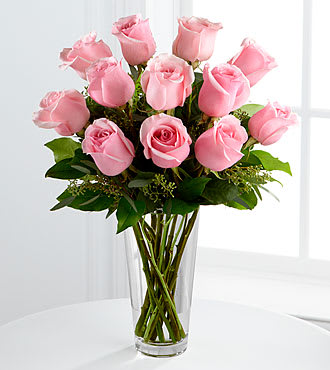
Introducing the exquisite Long Stem Red Rose Bouquet from Bloom Central, a floral arrangement that is sure to steal her heart. With its classic and timeless beauty, this bouquet is one of our most popular, and for good reason.
The simplicity of this bouquet is what makes it so captivating. Each rose stands tall with grace and poise, showcasing their velvety petals in the most enchanting shade of red imaginable. The fragrance emitted by these roses fills the air with an intoxicating aroma that evokes feelings of love and joy.
A true symbol of romance and affection, the Long Stem Red Rose Bouquet captures the essence of love effortlessly. Whether you want to surprise someone special on Valentine's Day or express your heartfelt emotions on an anniversary or birthday, this bouquet will leave the special someone speechless.
What sets this bouquet apart is its versatility - it suits various settings perfectly! Place it as a centerpiece during candlelit dinners or adorn your living space with its elegance; either way, you'll be amazed at how instantly transformed your surroundings become.
Purchasing the Long Stem Red Rose Bouquet from Bloom Central also comes with peace of mind knowing that they source only high-quality flowers directly from trusted growers around the world.
If you are searching for an unforgettable gift that speaks volumes without saying a word - look no further than the breathtaking Long Stem Red Rose Bouquet from Bloom Central! The timeless beauty, delightful fragrance and effortless elegance will make anyone feel cherished and loved. Order yours today and let love bloom!
Jennings Missouri Flower Delivery
Jennings Flower Delivery - Frequently Asked Questions
- Does Bloom Central offer same-day flower delivery in Jennings?
- Yes. Place your order online before 1:00 PM and a local Jennings florist will hand-deliver your arrangement the same day. Orders can also be scheduled up to one month in advance.
- Is it safe to order flowers online?
- Absolutely! We utilize a secure, encrypted checkout to protect your personal and payment information. Visa, Mastercard, American Express, Discover, PayPal and Klarna are all accepted.
- What funeral homes does Bloom Central deliver sympathy flowers to in Jennings?
- We hand-deliver sympathy and memorial floral arrangements to all funeral homes near Jennings, including: Austin Layne Mortuary, Bellefontaine Cemetery & Arboretum, Calvary Cemetery & Mausoleum, Chesed Shel Emeth Society, Classic Monument, Friedens Cemetery Mausoleum & Chapel, Granberry Mortuary, Lupton Funeral Home, McClendon Teat Mortuary & Cremation Services, Oak Grove Chapel & Crematory, Shepard Funeral Chapel, St Louis Doves Release Company, St Peters Cemetery, Tiffany A. Smith Life Memorial Centre, Valhalla Funeral Chapel, Wade Funeral Home, William C Harris Funeral Dir & Cremation Srvc.
- What nearby cities does Bloom Central also deliver flowers to?
- In addition to Jennings, we deliver fresh flowers to many nearby cities including: Country Club Hills, Northwoods, Norwood Court, Pine Lawn, Normandy, Moline Acres, Bellefontaine Neighbors, Velda Village Hills
- What are the most popular flower arrangements at the Jennings florist?
- Three of our most popular arrangements at our Jennings florist are: Beautiful Horizons Floor Basket ($134.90), Cheers to You Bouquet ($54.90), Fiesta Bouquet Set of 3 ($209.90). All are available for same-day delivery.
More About Jennings
Are looking for a Jennings florist because you are not local to the area? If so, here is a brief travelogue of what Jennings has to offer. Who knows, perhaps you'll be intrigued enough to come visit soon, partake in some of the fun activities Jennings has to offer and deliver flowers to your loved one in person!
Here in Jennings, Missouri, the streets hum with a quiet insistence. Morning light spills over rows of brick homes, their stoops swept clean, their windows reflecting the kind of pride that doesn’t need to shout. A man in a Cardinals cap waves to a neighbor dragging a trash can to the curb. A girl in pigtails skips past a mural of sunflowers, her laughter bouncing off the wall’s bright petals. The air smells of cut grass and possibility. This is a place where you notice the small things first, the way a barber pauses mid-snip to greet someone passing his shop, the way the librarian adjusts her glasses before recommending a book to a kid with scraped knees, because the small things here are not small at all.
Jennings announced itself in 1946, a post-war bloom on the edge of St. Louis, built by hands that believed in elbow grease and front porches. The railroad tracks still bisect the town, their rhythmic clatter a reminder of motion, of connection. Locals speak of the old days with a shrug that says we’re still here, a phrase that isn’t defiance so much as fact. The Jennings School District, once a national beacon of integration, now feeds its students a curriculum heavy on pride, third graders memorize Maya Angelou, middle schoolers debate robotics, high schoolers plant urban gardens that yield tomatoes and collards and a sense of agency. Walk the halls of Jennings Senior High and you’ll hear a teacher say, “Show your work,” not just about algebra but about life.

Same day service available. Order your Jennings floral delivery and surprise someone today!
Drive down West Florissant Avenue and you’ll pass a storefront where a woman named Clara sells honey harvested from backyard hives. Next door, a barbershop doubles as an art gallery, portraits of Miles Davis and Josephine Baker watch over the fades and line-ups. At Hord Park, teenagers shoot hoops under the watch of oak trees that have seen generations of layups. On Saturdays, the community center hosts a farmers’ market where a man named Reggie trades stories for recipes, handing out peaches with a grin that says taste this and tell me you’re not happy.
There’s a myth that resilience requires spectacle, but Jennings argues otherwise. The community garden on Coalter Road started as four plots and a dream; now it’s a kaleidoscope of okra and marigolds, tended by retirees and toddlers alike. At the annual Juneteenth celebration, elders pass out plates of fried catfish while kids dart between legs, their faces painted like superheroes. The public library runs a podcasting workshop for teens, their voices crackling with the urgency of stories waiting to be heard. Even the sidewalks seem to lean into the future, newly paved stretches wind past a tech hub where teens code apps to track bus schedules or report potholes, their screens glowing with the quiet fire of problem-solving.
What holds it all together? Maybe it’s the way people here look you in the eye. Maybe it’s the absence of pretense, the unspoken rule that you don’t have to be rich to matter, just present. A UPS driver named Marcus puts it like this: “You fix what you can, you share what you have, you keep showing up.” He says this while handing a lollipop to a boy chasing a runaway basketball. The boy grins, unwraps the candy, and keeps running.
At dusk, the sky turns the color of apricots. Porch lights flicker on. Someone’s auntie calls out a window to say dinner’s ready. The train whistles again, heading east now, carrying its cargo of grain or steel or whatever the country needs next. Jennings stays. It gathers its people close. It believes in tomorrow because it has believed through a thousand yesterdays, not with grand gestures, but with honey sold in mason jars, with jump ropes slapping pavement, with the stubborn, unflashy work of tending to one another. You could call it a town. You could also call it a prayer.