




- New Baby
- Best Sellers
- Lilies









 $49.90

July 1, 2026
Fort Covington July Floral Selection
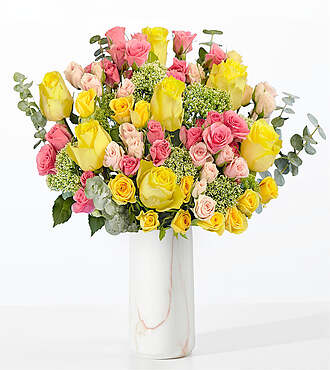
The Bloom Central flower delivery of the month for July in Fort Covington is the Graceful Grandeur Rose Bouquet
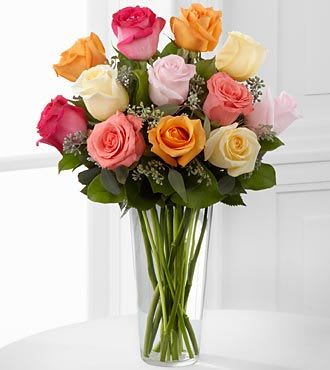
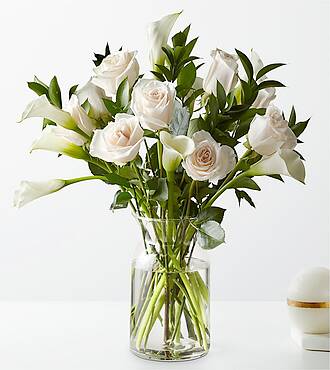
The Graceful Grandeur Rose Bouquet from Bloom Central is simply stunning. With its elegant and sophisticated design, it's sure to make a lasting impression on the lucky recipient.
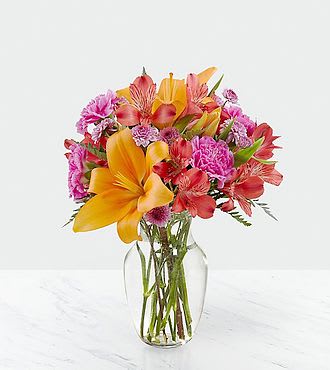
This exquisite bouquet features a generous arrangement of lush roses in shades of cream, orange, hot pink, coral and light pink. This soft pastel colors create a romantic and feminine feel that is perfect for any occasion.
The roses themselves are nothing short of perfection. Each bloom is carefully selected for its beauty, freshness and delicate fragrance. They are hand-picked by skilled florists who have an eye for detail and a passion for creating breathtaking arrangements.
The combination of different rose varieties adds depth and dimension to the bouquet. The contrasting sizes and shapes create an interesting visual balance that draws the eye in.
What sets this bouquet apart is not only its beauty but also its size. It's generously sized with enough blooms to make a grand statement without overwhelming the recipient or their space. Whether displayed as a centerpiece or placed on a mantelpiece the arrangement will bring joy wherever it goes.
When you send someone this gorgeous floral arrangement, you're not just sending flowers - you're sending love, appreciation and thoughtfulness all bundled up into one beautiful package.
The Graceful Grandeur Rose Bouquet from Bloom Central exudes elegance from every petal. The stunning array of colorful roses combined with expert craftsmanship creates an unforgettable floral masterpiece that will brighten anyone's day with pure delight.
Local Flower Delivery in Fort Covington
Fort Covington Flower Delivery - Frequently Asked Questions
- Does Bloom Central offer same-day flower delivery in Fort Covington?
- Yes. Place your order online before 1:00 PM and a local Fort Covington florist will hand-deliver your arrangement the same day. Orders can also be scheduled up to one month in advance.
- Is it safe to order flowers online?
- Absolutely! We utilize a secure, encrypted checkout to protect your personal and payment information. Visa, Mastercard, American Express, Discover, PayPal and Klarna are all accepted.
- What funeral homes does Bloom Central deliver sympathy flowers to in Fort Covington?
- We hand-deliver sympathy and memorial floral arrangements to all funeral homes near Fort Covington, including: Burke Center Cemetery, Flint Funeral Home, J J Cardinal, Komitas Salon Funeraire, Lahaie & Sullivan Cornwall Funeral Home - West Branch, Seymour Funeral Home.
- What nearby cities does Bloom Central also deliver flowers to?
- In addition to Fort Covington, we deliver fresh flowers to many nearby cities including: Fort Covington Hamlet, Westville, Bombay, Bangor, Moira, Constable, Brasher, Burke
- What are the most popular flower arrangements at the Fort Covington florist?
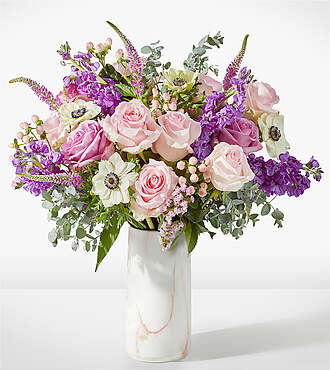
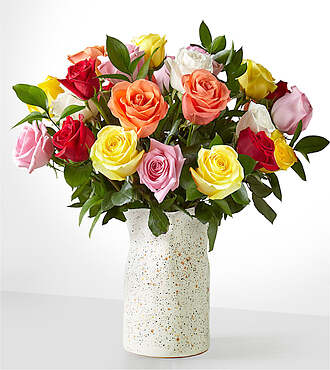
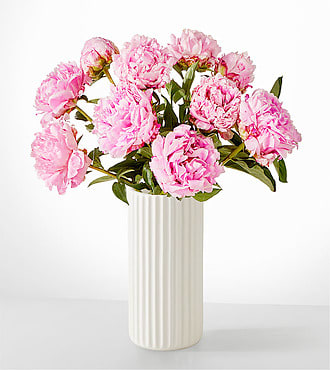
- Three of our most popular arrangements at our Fort Covington florist are: Luminous Luxury Orchid Bouquet ($167.90), Pure Bliss Bouquet ($49.90), Paradise Bouquet ($59.90). All are available for same-day delivery.
More About Fort Covington
Are looking for a Fort Covington florist because you are not local to the area? If so, here is a brief travelogue of what Fort Covington has to offer. Who knows, perhaps you'll be intrigued enough to come visit soon, partake in some of the fun activities Fort Covington has to offer and deliver flowers to your loved one in person!
Fort Covington, New York, sits so far north it feels less like a town and more like a shared secret between the St. Lawrence River and the slow-rolling fields that stretch toward Canada. Dawn here isn’t a sudden event but a gradual negotiation, mist lifting off the riverbanks, sunlight pooling in the furrows of Amish farms, the kind of quiet that hums. The roads curve lazily, as if apologizing for the grid’s rigidity elsewhere, and the houses wear their histories plainly: clapboard siding silvered by decades, porches cluttered with the artifacts of lives lived seasonally. To drive through is to sense a place that exists not as a destination but as a habit, a rhythm.
Farmers rise before the sun, their tractors coughing to life in harmony with the first birdsong. They tend fields where soybeans and corn stand in military rows, roots gripping soil that’s been worked by generations. The earth here remembers. Children pedal bikes along gravel shoulders, backpacks bouncing, waving at mail carriers who know every dog’s name. At the IGA, carts clatter over linoleum as cashiers discuss the weather with the urgency of philosophers. Rain isn’t just rain; it’s a character in the day’s drama, a collaborator or saboteur. The rhythm of small-town life compresses time, summer barbecues bleed into fall harvest festivals, winter’s snowbanks shrink into spring’s mud, and through it all, the St. Regis River slides south, patient as a rumor.

Same day service available. Order your Fort Covington floral delivery and surprise someone today!
History here isn’t archived so much as inherited. The old railroad tracks, now quiet, once pulsed with the commerce of timber and grain, their memory preserved in the stories grandparents tell over coffee at the diner. The Fort Covington United Methodist Church, its steeple a needle against the sky, hosts potlucks where casseroles outnumber congregants, and everyone knows which dish belongs to which cook by the thickness of the cheese. There’s a particular genius to this intimacy, the way a neighbor’s wave carries the weight of a conversation, how the librarian hands you a book she set aside because it made her think of your mother.
Autumn sharpens the air, and the landscape ignites. Maple leaves blaze red, pumpkins squat in patches, and the sky turns the crisp blue of a gas flame. School buses trundle down backroads, their windows framing faces smudged with sleep or excitement. At the volunteer fire department’s annual chicken BBQ, lines stretch around the block, not because the chicken is extraordinary but because the act of waiting together is. Teenagers lean against pickup trucks, swapping dreams of cities they’ll maybe visit but likely never leave for good. There’s no angst in this; they understand the pull of a place where the night sky isn’t diluted by light pollution, where the Milky Way swirls like paint stirred in water.
Winter wraps the town in a silence so profound it becomes a sound. Snow muffles the roads, and woodstoves puff cedar-scented smoke. Kids drag sleds to the hill behind the elementary school, their laughter scattering like shards of ice. Men plow driveways in choreographed loops, women trade soup recipes via landline, and the river freezes into a jagged mirror. You learn here that cold isn’t an absence but a presence, something that clarifies, distills. By February, the collective longing for spring feels almost sacramental, a test of faith in renewal.
What Fort Covington lacks in grandeur it compensates for in texture. The crunch of gravel under boots, the flicker of porch lights at dusk, the way a shared glance at the post office can convey a novel’s worth of gossip. It’s a town that resists metaphor because it’s already exactly itself: unpretentious, enduring, knit together by routines as delicate and strong as spider silk. To call it quaint would miss the point. This is a place where life isn’t performed but lived, where the reward for paying attention is the revelation that the ordinary is itself a kind of miracle.