





- Anniversary
- Best Sellers
- Thank You
 $69.90
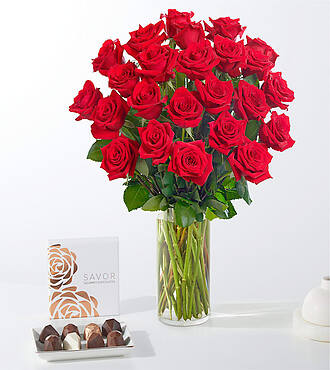
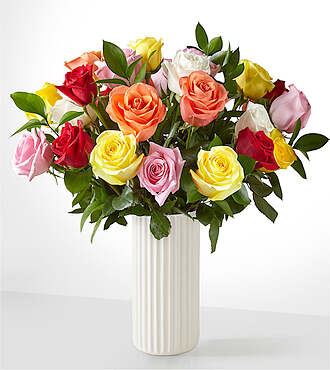
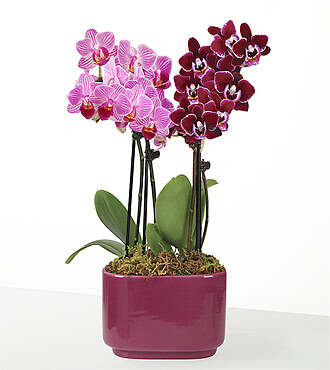
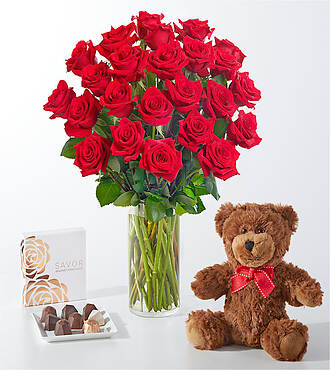
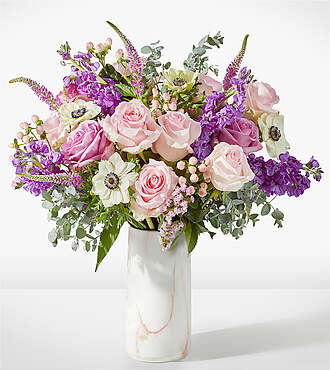
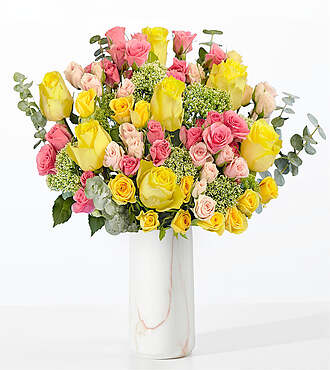
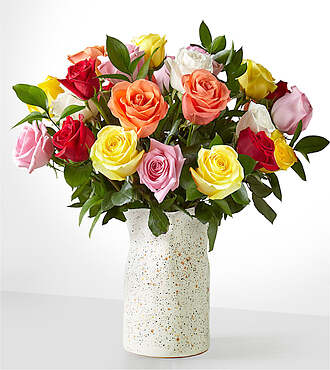
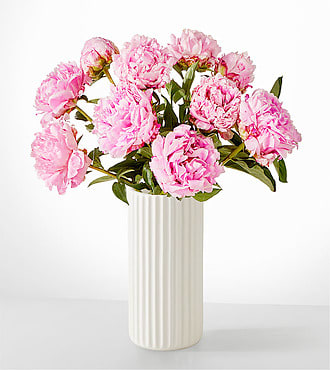
- $49.90
- $79.90
June 1, 2026
Lyme June Floral Selection
The Bloom Central flower delivery of the month for June in Lyme is the Love In Bloom Bouquet
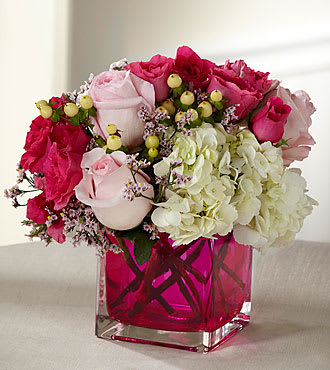
The Love In Bloom Bouquet from Bloom Central is a delightful floral arrangement that will bring joy to any space. Bursting with vibrant colors and fresh blooms it is the perfect gift for the special someone in your life.
This bouquet features an assortment of beautiful flowers carefully hand-picked and arranged by expert florists. The combination of pale pink roses, hot pink spray roses look, white hydrangea, peach hypericum berries and pink limonium creates a harmonious blend of hues that are sure to catch anyone's eye. Each flower is in full bloom, radiating positivity and a touch of elegance.
With its compact size and well-balanced composition, the Love In Bloom Bouquet fits perfectly on any tabletop or countertop. Whether you place it in your living room as a centerpiece or on your bedside table as a sweet surprise, this arrangement will brighten up any room instantly.
The fragrant aroma of these blossoms adds another dimension to the overall experience. Imagine being greeted by such pleasant scents every time you enter the room - like stepping into a garden filled with love and happiness.
What makes this bouquet even more enchanting is its longevity. The high-quality flowers used in this arrangement have been specially selected for their durability. With proper care and regular watering, they can be a gift that keeps giving day after day.
Whether you're celebrating an anniversary, surprising someone on their birthday, or simply want to show appreciation just because - the Love In Bloom Bouquet from Bloom Central will surely make hearts flutter with delight when received.
Local Flower Delivery in Lyme
Lyme Flower Delivery - Frequently Asked Questions
- Does Bloom Central offer same-day flower delivery in Lyme?
- Yes. Place your order online before 1:00 PM and a local Lyme florist will hand-deliver your arrangement the same day. Orders can also be scheduled up to one month in advance.
- Is it safe to order flowers online?
- Absolutely! We utilize a secure, encrypted checkout to protect your personal and payment information. Visa, Mastercard, American Express, Discover, PayPal and Klarna are all accepted.
- What funeral homes does Bloom Central deliver sympathy flowers to in Lyme?
- We hand-deliver sympathy and memorial floral arrangements to all funeral homes near Lyme, including: Bruce Funeral Home, Dowdle Funeral Home, Hart & Bruce Funeral Home, James Reid Funeral Home, Kingston Monuments, Pet Passages, Tlc Funeral Home.
- What nearby cities does Bloom Central also deliver flowers to?
- In addition to Lyme, we deliver fresh flowers to many nearby cities including: Cape Vincent, Brownville, Sackets Harbor, Hounsfield, Dexter, Henderson, Clayton, Adams
- What are the most popular flower arrangements at the Lyme florist?
- Three of our most popular arrangements at our Lyme florist are: Flannel Scarf Bouquet ($49.90), Main Squeeze Bouquet ($54.90), True Romance Rose Bouquet ($84.90). All are available for same-day delivery.
More About Lyme
Are looking for a Lyme florist because you are not local to the area? If so, here is a brief travelogue of what Lyme has to offer. Who knows, perhaps you'll be intrigued enough to come visit soon, partake in some of the fun activities Lyme has to offer and deliver flowers to your loved one in person!
Lyme, New York, sits quietly between the Adirondack foothills and the flat blue expanse of Lake Ontario, a town so unassuming you might mistake its silence for emptiness. But drive through on a June morning, sun just cresting the cornfields, and you’ll see something else: a woman in rubber boots hosing down her driveway, a tractor idling outside the post office, a flock of geese crossing Route 12E with the languid entitlement of commuters. The air smells of cut grass and lakewater, a scent that clings to your clothes like a rumor. This is a place where the word “hurry” has no local currency.
The town’s history is written in limestone. Quarries once pocked the land, their gray slabs shipped west to build everything from Buffalo’s grain elevators to Chicago’s brownstones. Today, those pits fill with rainwater, forming ponds where kids cannonball off jagged ledges in July. The old-timers still gather at the Lyme Library on Tuesdays, swapping stories about blasting accidents and payroll disputes, their voices competing with the hum of the HVAC unit. Listen closely and you’ll hear geology in their speech, words like “dolomite” and “bedrock” deployed with the ease of poets.

Same day service available. Order your Lyme floral delivery and surprise someone today!
What defines Lyme isn’t its past but its present tense. At the Lyme Diner, a wedge of a building with vinyl booths the color of cream soda, farmers slide into seats at 6 a.m. and order “the usual” without menus. Waitresses call customers “hon” and remember which regulars take their pie à la mode. The coffee tastes like something brewed in 1957 and perfected through repetition. Outside, the parking lot becomes a stage: teenagers clutch skateboards by the dumpster, mothers buckle toddlers into car seats, a UPS driver debates the merits of maple syrup over a cigarette break. Every interaction feels both rehearsed and spontaneous, a jazz riff on small-town ritual.
The lake is the town’s idling heartbeat. In winter, ice fishermen dot the shoreline like punctuation marks, their shanties painted blaze orange to ward off snowmobilers. Come summer, the marina swells with Boston Whalers and sunburned tourists buying bait from a vending machine. But Lyme’s true relationship with the water is quieter. At dusk, locals walk dogs along the breakwall, tossing sticks into waves that taste faintly of ancient seabeds. The horizon stretches uninterrupted, a lesson in perspective.
School soccer games draw crowds larger than the population suggests. Parents line the field in foldable chairs, cheering equally for both teams. The halftime buzzer sends kids sprinting to a concession stand selling nachos dusted with nuclear-orange cheese powder. Victory and defeat get distilled into high-fives and juice boxes. Later, under Friday night lights, the scoreboard’s glow competes with fireflies, their bioluminescence a silent counterpoint to the referee’s whistle.
Autumn sharpens the air into something crystalline. Pumpkins appear on porches, their carvings growing progressively more elaborate, gap-toothed grins one week, intricate owl silhouettes the next. At the Lyme Farmers Market, vendors hawk apple cider donuts and hand-knit scarves while a folk band plays covers of songs no one can name. The produce here obeys no supermarket logic: misshapen tomatoes, garlic scapes curled like question marks, jars of honey labeled in a child’s handwriting. You leave with a bag full of food and the sense that commerce, done right, is just neighbors trading miracles.
Winter arrives on the back of a nor’easter, burying mailboxes under drifts. Snowplows carve labyrinths through side streets. Children emerge as brightly colored specks, dragging sleds toward the hill behind the middle school. At the town hall, volunteers string lights for the holiday bazaar, their breath visible as they argue over the placement of a papier-mâché snowman. The cold here isn’t something to endure but to collaborate with, a shared project that forges bonds through layers of wool and mutual shivering.
There’s a particular grace to living in Lyme, a rhythm that resists the metropolitan urge to optimize. Time moves in loops, not lines. Seasons return like familiar songs, each verse slightly altered by what’s been lost and gained since the last chorus. The town has no use for nostalgia; it is too busy tending its gardens, patching its potholes, watching its children pedal bikes down streets named after trees. To pass through is to witness a paradox: a place that feels both achingly specific and strangely universal, as if every American town contains a tiny, glowing prototype of Lyme. You leave wondering if the quietest places aren’t the ones listening most closely to whatever it is that hums beneath the noise of the world.