





- Birthday
- Best Sellers
- Under $100


July 1, 2026
Portville July Floral Selection
The Bloom Central flower delivery of the month for July in Portville is the Long Stem Red Rose Bouquet
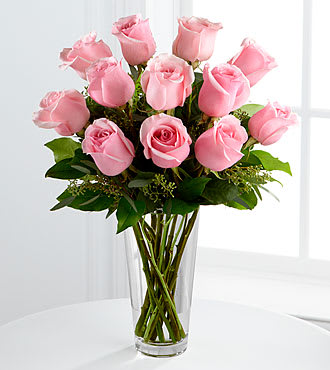
Introducing the exquisite Long Stem Red Rose Bouquet from Bloom Central, a floral arrangement that is sure to steal her heart. With its classic and timeless beauty, this bouquet is one of our most popular, and for good reason.
The simplicity of this bouquet is what makes it so captivating. Each rose stands tall with grace and poise, showcasing their velvety petals in the most enchanting shade of red imaginable. The fragrance emitted by these roses fills the air with an intoxicating aroma that evokes feelings of love and joy.
A true symbol of romance and affection, the Long Stem Red Rose Bouquet captures the essence of love effortlessly. Whether you want to surprise someone special on Valentine's Day or express your heartfelt emotions on an anniversary or birthday, this bouquet will leave the special someone speechless.
What sets this bouquet apart is its versatility - it suits various settings perfectly! Place it as a centerpiece during candlelit dinners or adorn your living space with its elegance; either way, you'll be amazed at how instantly transformed your surroundings become.
Purchasing the Long Stem Red Rose Bouquet from Bloom Central also comes with peace of mind knowing that they source only high-quality flowers directly from trusted growers around the world.
If you are searching for an unforgettable gift that speaks volumes without saying a word - look no further than the breathtaking Long Stem Red Rose Bouquet from Bloom Central! The timeless beauty, delightful fragrance and effortless elegance will make anyone feel cherished and loved. Order yours today and let love bloom!
Portville New York Flower Delivery
Portville Flower Delivery - Frequently Asked Questions
- Does Bloom Central offer same-day flower delivery in Portville?
- Yes. Place your order online before 1:00 PM and a local Portville florist will hand-deliver your arrangement the same day. Orders can also be scheduled up to one month in advance.
- Is it safe to order flowers online?
- Absolutely! We utilize a secure, encrypted checkout to protect your personal and payment information. Visa, Mastercard, American Express, Discover, PayPal and Klarna are all accepted.
- What nearby cities does Bloom Central also deliver flowers to?
- In addition to Portville, we deliver fresh flowers to many nearby cities including: Weston Mills, Olean, Genesee, St. Bonaventure, Hinsdale, Clarksville, Allegany, Bolivar
- What are the most popular flower arrangements at the Portville florist?
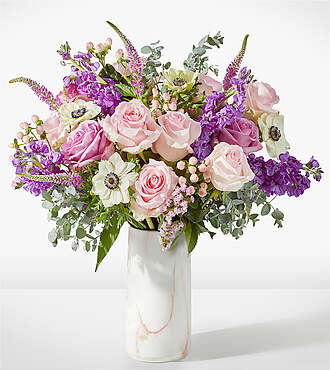
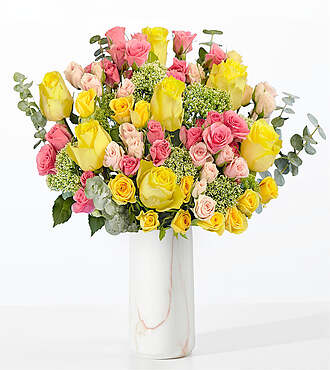
- Three of our most popular arrangements at our Portville florist are: Picture Perfect Pink Rose Bouquet ($84.90), Truly Stunning Bouquet ($64.90), Lavender Rose Bouquet ($84.90). All are available for same-day delivery.
More About Portville
Are looking for a Portville florist because you are not local to the area? If so, here is a brief travelogue of what Portville has to offer. Who knows, perhaps you'll be intrigued enough to come visit soon, partake in some of the fun activities Portville has to offer and deliver flowers to your loved one in person!
Portville, New York, sits unassuming along the Allegheny River’s eastern bank, a town whose name sounds like a punchline until you spend time in it, until its rhythms, the soft clang of the volunteer fire department’s noon bell, the hiss of tires on wet Route 417 after a rain, begin to feel less like background noise and more like a language you’ve somehow always known. The place has a way of dissolving cynicism. You drive in past the Dollar General and the skeletal remains of a 19th-century timber mill, expecting the usual Rust Belt dirge, but instead find a community that has turned its smallness into a kind of art. Kids pedal bikes with baseball cards rattling in spokes. Old men in Carhartts wave at unfamiliar cars. Laundry flaps on lines behind clapboard houses painted colors like “October Gold” and “Bluebird Sky,” hues that Sherwin-Williams must’ve invented after passing through here.
What Portville lacks in population density it compensates for in texture. The soil itself feels alive, rich and loamy from centuries of river silt, perfect for the gardens that bloom defiantly each spring, peonies heavy as dinner plates, tomatoes that split their skins from sheer abundance. Locals speak of frost dates and soil pH with the focus of Talmudic scholars. At the farmers’ market, held Saturdays in the VFW parking lot, a man in suspenders sells honey from hives he keeps in a hollow behind the elementary school. The jars glow amber in the sun, and he’ll tell you, if you ask, about the clover field the bees prefer, how its nectar gives the honey a vanilla undertone. You nod, half-skeptical, until you taste it.

Same day service available. Order your Portville floral delivery and surprise someone today!
The river itself is both anchor and compass. In summer, teenagers leap from the railroad trestle, their shouts echoing off the water as they plunge into currents that once carried Seneca canoes and log rafts and now tug at the sneakers of kids drifting on inflatable rafts. Fishermen in waders cast for smallmouth bass at dawn, their lines slicing the mist. You can spot them from the D&H Rail Trail, where retirees walk rescue dogs and moms push strollers past murals painted on concrete abutments, a salamander here, a quilt pattern there, bursts of civic pride that feel neither corporate nor cloying.
Downtown spans four blocks but contains multitudes. At Otto’s Hardware, founded in 1938, the floorboards creak underfoot while clerks who’ve worked there since Nixon debate the merits of Phillips vs. flathead screws. Next door, the Portville Free Library hosts weekly story hours where toddlers chew board books as a librarian reads The Very Hungry Caterpillar with the gravitas of a Shakespearean actor. The diner on Main serves pie so flawless, crimson cherry oozing through lattice crusts, meringue peaks toasted just shy of burnt, that truckers detour off I-86 for a slice, then linger over coffee, listening to the waitress call everyone “hon.”
Autumn sharpens the air into something crystalline. High school football games draw crowds wrapped in plaid blankets, their breath visible under Friday night lights. The team’s quarterback works part-time at his uncle’s auto shop; the linebacker milks cows before dawn. They play not for scholarships or scouts but for the primal joy of it, for the way their classmates scream themselves hoarse when the kicker, a sophomore with acne and a lethal foot, nails a 40-yard field goal. Afterward, everyone gathers at the Park & Eat, where french fries come in red-checkered paper boats and the ketchup bottle is always half-crusty, half-full.
Winter hushes the town without stifling it. Smoke curls from chimneys. Snowplow drivers etch labyrinths down side streets before most folks have brewed their coffee. At the Methodist church, the food pantry sees a surge in donations, cans of soup, mittens knitted by the women’s auxiliary, and no one makes a fuss about it. This is simply what you do.
To call Portville quaint would miss the point. Its beauty isn’t passive. It asks you to pay attention: to the way light slants through maples in October, to the hum of a sawmill that’s somehow still running, to the teenager behind the register at the IGA who remembers your name after one visit. The town persists, not out of nostalgia, but because its people have decided, quietly and daily, that it should.