





- Birthday
- Best Sellers
- Under $80





 $69.90


July 1, 2026
Polkton July Floral Selection
The Bloom Central flower delivery of the month for July in Polkton is the Long Stem Red Rose Bouquet
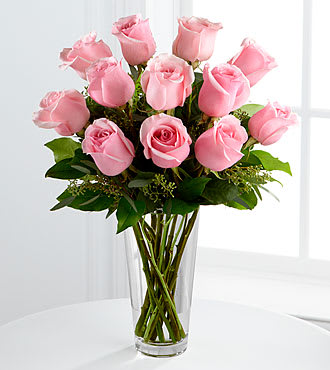
Introducing the exquisite Long Stem Red Rose Bouquet from Bloom Central, a floral arrangement that is sure to steal her heart. With its classic and timeless beauty, this bouquet is one of our most popular, and for good reason.
The simplicity of this bouquet is what makes it so captivating. Each rose stands tall with grace and poise, showcasing their velvety petals in the most enchanting shade of red imaginable. The fragrance emitted by these roses fills the air with an intoxicating aroma that evokes feelings of love and joy.
A true symbol of romance and affection, the Long Stem Red Rose Bouquet captures the essence of love effortlessly. Whether you want to surprise someone special on Valentine's Day or express your heartfelt emotions on an anniversary or birthday, this bouquet will leave the special someone speechless.
What sets this bouquet apart is its versatility - it suits various settings perfectly! Place it as a centerpiece during candlelit dinners or adorn your living space with its elegance; either way, you'll be amazed at how instantly transformed your surroundings become.
Purchasing the Long Stem Red Rose Bouquet from Bloom Central also comes with peace of mind knowing that they source only high-quality flowers directly from trusted growers around the world.
If you are searching for an unforgettable gift that speaks volumes without saying a word - look no further than the breathtaking Long Stem Red Rose Bouquet from Bloom Central! The timeless beauty, delightful fragrance and effortless elegance will make anyone feel cherished and loved. Order yours today and let love bloom!
Local Flower Delivery in Polkton
Polkton Flower Delivery - Frequently Asked Questions
- Does Bloom Central offer same-day flower delivery in Polkton?
- Yes. Place your order online before 1:00 PM and a local Polkton florist will hand-deliver your arrangement the same day. Orders can also be scheduled up to one month in advance.
- Is it safe to order flowers online?
- Absolutely! We utilize a secure, encrypted checkout to protect your personal and payment information. Visa, Mastercard, American Express, Discover, PayPal and Klarna are all accepted.
- What funeral homes does Bloom Central deliver sympathy flowers to in Polkton?
- We hand-deliver sympathy and memorial floral arrangements to all funeral homes near Polkton, including: Gordon Funeral Service, Heritage Funeral and Cremation Services, Heritage Funeral and Cremation Services, Holland Funeral Service, Kenneth W. Poe Funeral & Cremation Service, Kiser Funeral Home, Miller-Rivers-Caulder Funeral Home.
- What nearby cities does Bloom Central also deliver flowers to?
- In addition to Polkton, we deliver fresh flowers to many nearby cities including: Wadesboro, Marshville, Wingate, Norwood, Oakboro, Mount Gilead, Unionville, Monroe
- What are the most popular flower arrangements at the Polkton florist?
- Three of our most popular arrangements at our Polkton florist are: Special Request 150 ($150.00), Yellow Brick Road Bouquet ($54.90), Birthday Surprise Bouquet ($54.90). All are available for same-day delivery.
More About Polkton
Are looking for a Polkton florist because you are not local to the area? If so, here is a brief travelogue of what Polkton has to offer. Who knows, perhaps you'll be intrigued enough to come visit soon, partake in some of the fun activities Polkton has to offer and deliver flowers to your loved one in person!
In the heart of Anson County, where the South Carolina line blurs into North Carolina like a smudged pencil sketch, there exists a town called Polkton. To call it small would be to miss the point. Smallness implies a lack. Polkton, instead, is a place where scale bends. The single traffic light at Main and Horne isn’t a limitation but a locus, a pivot around which lives turn with the quiet assurance of seasons. The railroad tracks, still warm from the passage of freight, hum with a patience that feels almost human. Here, time doesn’t hurry. It lingers, as if curious.
A visitor might first notice the trees. They crowd the streets like benevolent sentries, their branches knitting a canopy that softens the Carolina sun into something you could hold in your hands. In autumn, the leaves blaze with a fervor that suggests the town itself is a living thing, breathing color. Children pedal bikes over crackling piles, their laughter carrying the kind of joy that doesn’t know it’s supposed to be ephemeral. The air smells of pine and turned earth and, on certain mornings, the faint tang of bread from the bakery whose ovens have glowed since Eisenhower.

Same day service available. Order your Polkton floral delivery and surprise someone today!
Downtown is a constellation of unassuming marvels. A diner with checkered floors serves collards that taste like someone’s grandmother whispered into the pot. The hardware store, its shelves dense with nails and hope, doubles as a forum for debates over tomato stakes and high school football. At the library, sunlight slants through windows onto stacks so still you can hear the murmur of stories waiting to be rediscovered. The librarian knows every regular by name and reading habits, a curator of curiosities and quiet.
What animates Polkton isn’t just its geography but its grammar, the way people nod to strangers as if they’re already friends, the way a problem with a porch swing becomes a collaborative project, the way the phrase “y’all come back” isn’t a courtesy but a covenant. At the annual Taste of Polkton festival, folding tables sag under deviled eggs and peach cobbler. Bluegrass tunes spiral into the dusk. Teenagers sneak glances, their futures still abstract enough to feel limitless. Elders sway in lawn chairs, their laughter lines deepening as they trade tales that have grown smoother with retelling.
The Pee Dee River curls around the town’s edge, lazy and brown, its surface dappled with sunlight. Fishermen cast lines with the serenity of men who understand that catching something is beside the point. Boys skip stones, counting the hops like blessings. In spring, the banks burst with camellias, their petals so red they seem to vibrate. A wooden bridge spans the water, its planks creaking underfoot in a rhythm that syncs with the heartbeat of anyone who pauses to listen.
Polkton’s history is a quilt. The old train depot, now a community center, still bears the scuffs of luggage dragged by travelers long gone. The Methodist church’s spire pierces the sky, white and resolute, its bell tolling for services, storms, and the rare wedding. Gravestones in the cemetery wear lichen like lace, their inscriptions softened by rain and wind. Yet the past here isn’t entombed. It’s a companion. When the high school’s basketball team, the Polkton Chargers, charges onto the court, the cheers echo those that once roared for their fathers, grandfathers, great-grandfathers.
There’s a resilience here, too. When storms come, as they do, neighbors arrive with chainsaws and casseroles. When the pandemic shuttered the world, porch lights flickered on at dusk in silent solidarity. Polkton doesn’t grandstand. It endures. It adapts. A new coffee shop opened last year, its walls hung with local art. The old theater, shuttered in the ’90s, now hosts yoga classes and poetry readings. Progress here isn’t a bulldozer. It’s a hand-sewn patch.
To leave is to carry the place with you. The way the mist rises off the fields at dawn. The way a shared wave from a pickup truck feels like a sacrament. The way the stars, unbothered by city glow, press close enough to taste. Polkton doesn’t demand your awe. It asks only that you notice, and in noticing, remember that some places still choose to be gentle.