





- New Baby
- Best Sellers
- Carnations










July 1, 2026
Lodi July Floral Selection
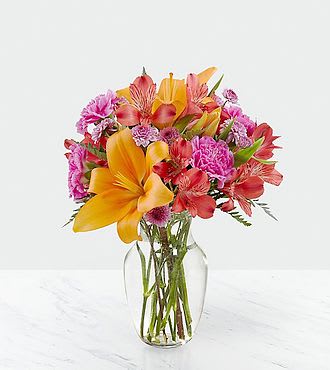
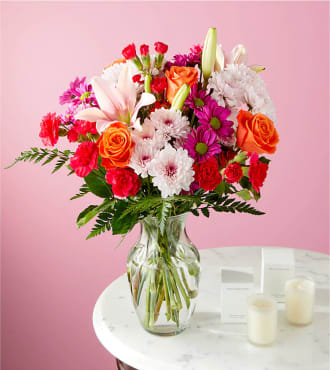
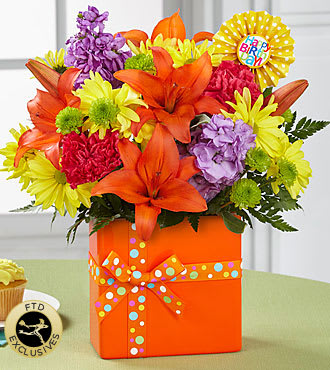
The Bloom Central flower delivery of the month for July in Lodi is the Happy Blooms Basket

The Happy Blooms Basket is a delightful floral arrangement that will bring joy to any room. Bursting with vibrant colors and enchanting scents this bouquet is perfect for brightening up any space in your home.
The Happy Blooms Basket features an exquisite combination of blossoming flowers carefully arranged by skilled florists. With its cheerful mix of orange Asiatic lilies, lavender chrysanthemums, lavender carnations, purple monte casino asters, green button poms and lush greens this bouquet truly captures the essence of beauty and birthday happiness.
One glance at this charming creation is enough to make you feel like you're strolling through a blooming garden on a sunny day. The soft pastel hues harmonize gracefully with bolder tones, creating a captivating visual feast for the eyes.
To top thing off, the Happy Blooms Basket arrives with a bright mylar balloon exclaiming, Happy Birthday!
But it's not just about looks; it's about fragrance too! The sweet aroma wafting from these blooms will fill every corner of your home with an irresistible scent almost as if nature itself has come alive indoors.
And let us not forget how easy Bloom Central makes it to order this stunning arrangement right from the comfort of your own home! With just a few clicks online you can have fresh flowers delivered straight to your doorstep within no time.
What better way to surprise someone dear than with a burst of floral bliss on their birthday? If you are looking to show someone how much you care the Happy Blooms Basket is an excellent choice. The radiant colors, captivating scents, effortless beauty and cheerful balloon make it a true joy to behold.
Lodi Ohio Flower Delivery
Lodi Flower Delivery - Frequently Asked Questions
- Does Bloom Central offer same-day flower delivery in Lodi?
- Yes. Place your order online before 1:00 PM and a local Lodi florist will hand-deliver your arrangement the same day. Orders can also be scheduled up to one month in advance.
- Is it safe to order flowers online?
- Absolutely! We utilize a secure, encrypted checkout to protect your personal and payment information. Visa, Mastercard, American Express, Discover, PayPal and Klarna are all accepted.
- What hospitals and care facilities does Bloom Central deliver to in Lodi?
- We deliver fresh flower arrangements to all hospitals, nursing homes and care facilities in Lodi Ohio, including: Lodi Community Hospital.
- What funeral homes does Bloom Central deliver sympathy flowers to in Lodi?
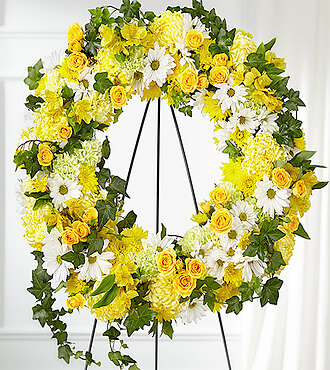
- We hand-deliver sympathy and memorial floral arrangements to all funeral homes near Lodi, including: Blackburn Funeral Home, Bogner Family Funeral Home, Busch Funeral and Crematory Services Parma, Clifford-Shoemaker Funeral Home, Custer-Glenn Funeral Home & Cremation Services, Eckard Baldwin Funeral Home & Chapel, Evans Funeral Home & Cremation Services, Fickes Funeral Home, Heyl Funeral Home, Hilliard-Rospert Funeral Home, Humenik Funeral Chapel, Jardine Funeral Home, Laubenthal Mercado Funeral Home, Mound Hill Cemetery, Reidy-Scanlan-Giovannazzo Funeral Home, Roberts Funeral Home, Rose Hill Funeral Home & Burial Park, Waite & Son Funeral Home.
- What churches does Bloom Central deliver flowers to in Lodi?
- We deliver fresh floral arrangements to all churches and places of worship in Lodi, including: Victory Baptist Church.
- What nearby cities does Bloom Central also deliver flowers to?
- In addition to Lodi, we deliver fresh flowers to many nearby cities including: Harrisville, Westfield Center, Chatham, Homer, Lafayette, Westfield, West Salem, Congress
- What are the most popular flower arrangements at the Lodi florist?
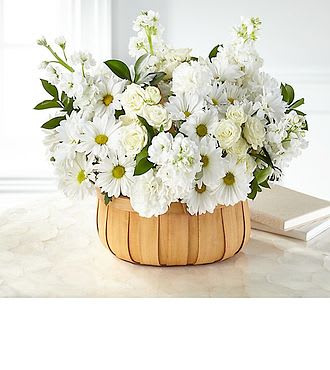
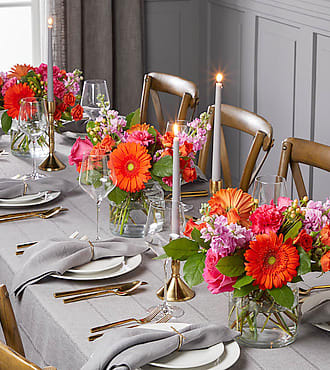
- Three of our most popular arrangements at our Lodi florist are: Tranquil Bouquet ($59.90), Special Request 100 ($100.00), Soft Persuasion Bouquet ($54.90). All are available for same-day delivery.
More About Lodi
Are looking for a Lodi florist because you are not local to the area? If so, here is a brief travelogue of what Lodi has to offer. Who knows, perhaps you'll be intrigued enough to come visit soon, partake in some of the fun activities Lodi has to offer and deliver flowers to your loved one in person!
The sun climbs over the flatlands of northern Ohio, its early light buttering the cornfields and glazing the dewy roofs of Lodi with a temporary glamour. A train horn echoes somewhere beyond the tree line, a sound that feels both urgent and nostalgic, like a memory insisting on its relevance. Here, along the cracked but clean sidewalks of Main Street, the town yawns awake. A woman in lavender scrubs walks a terrier past the post office, its flag snapping in a breeze that carries the scent of damp earth and diesel. At the diner, a waitress named Bev flips pancakes on a griddle older than she is, her motions precise, automatic, humming a hymn her grandmother loved. The regulars arrive in work boots and ball caps, their chatter layering over the clatter of forks on plates. They speak of weather, of carburetors, of a high school football game decades past whose final score everyone knows by heart.
Lodi is the kind of place where the word “community” isn’t an abstraction. It’s in the way the librarian saves new mystery novels for Mrs. Ellsworth, who’s recovering from hip surgery. It’s in the hardware store owner lending his ladder to a college kid renting the apartment above the antique shop. It’s in the collective pause at the sound of the noon siren, a relic from the Cold War repurposed as a lunch bell. The town’s history is modest but textured. Founded as a railroad stop in the 1850s, its identity still leans into that lineage. The old depot, now a museum, houses artifacts under dust, timetables, telegraph machines, sepia portraits of men in handlebar mustaches who once believed steel tracks would suture the nation. Trains still barrel through daily, though they no longer stop. The town long ago made peace with its role as a place passed through, not a destination.

Same day service available. Order your Lodi floral delivery and surprise someone today!
What binds people here isn’t grandeur but granularity. Walk the bike trail that ribbons through the village, past backyards where tomato plants strain toward the sun, and you’ll see a teenager teaching his sister to skateboard, their laughter bouncing off the pavement. At the park, toddlers wobble after ducks while retirees play chess under a pavilion, their moves deliberate, their banter peppered with friendly taunts. The elementary school’s annual Harvest Festival draws crowds for pumpkin carving and pie contests, events that feel quaint until you notice the care behind them, the father who spends weeks building a haunted hayride, the teacher who stays up late stringing fairy lights in the gym.
Geography helps. To the south, the land swells into wooded hills, trails threading through maple and oak. Families hike there on weekends, kids scrambling over roots, parents pointing out turkey vultures circling overhead. In winter, the same paths become cross-country ski routes, the snow hushing everything but the scrape of poles. The river that curls east of town is shallow, patient, a place for skipping stones or wading with dogs. Fishermen cast lines at dawn, their reflections wobbling in the current.
It would be easy to mistake Lodi for a relic, a holdout against the centrifugal force of modernity. But spend time here, and you feel the quiet thrum of adaptation. The third-grader coding a robot in the computer lab. The young couple renovating the Victorian on Elm into a bed-and-breakfast. The farmers experimenting with solar panels between rows of soybeans. The past isn’t worshipped here, it’s a foundation, something to build on.
There’s a particular light that falls on Lodi in late afternoon, slanting through the leaves of the sugar maples, gilding the feed mill, the bank, the Methodist church’s steeple. It’s the kind of light that makes even the mundane seem luminous, a reminder that beauty isn’t a function of scale. You notice it as a man in coveralls waves to a neighbor across the street, as a girl pedals her bike home, a loaf of bread from the bakery warming her backpack. These moments accumulate, unremarkable and essential, like bricks in a wall.
To call Lodi “quaint” misses the point. What thrives here is a stubborn, unshowy resilience, the understanding that belonging isn’t about where you’re going, but how deeply you’re willing to root.