





- Best Value
- Best Sellers
- Lilies
 $49.90


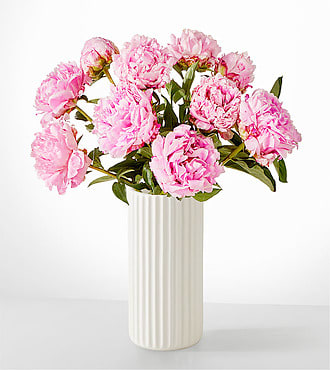
- $49.90

June 1, 2026
Joseph June Floral Selection
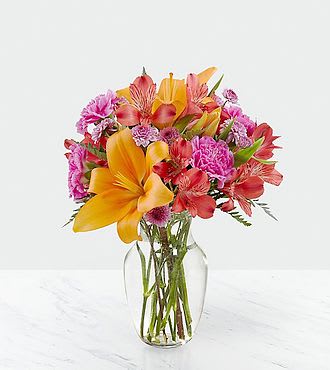
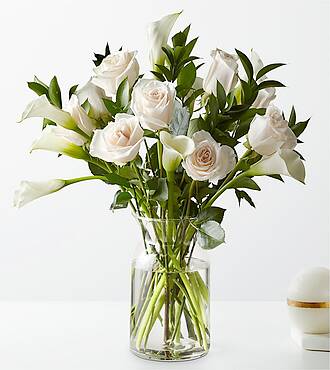
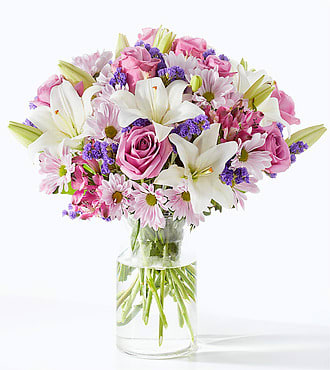
The Bloom Central flower delivery of the month for June in Joseph is the All For You Bouquet
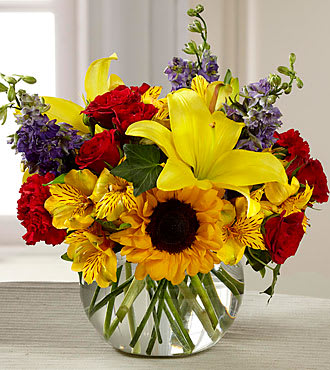
The All For You Bouquet from Bloom Central is an absolute delight! Bursting with happiness and vibrant colors, this floral arrangement is sure to bring joy to anyone's day. With its simple yet stunning design, it effortlessly captures the essence of love and celebration.
Featuring a graceful assortment of fresh flowers, including roses, lilies, sunflowers, and carnations, the All For You Bouquet exudes elegance in every petal. The carefully selected blooms come together in perfect harmony to create a truly mesmerizing display. It's like sending a heartfelt message through nature's own language!
Whether you're looking for the perfect gift for your best friend's birthday or want to surprise someone dear on their anniversary, this bouquet is ideal for any occasion. Its versatility allows it to shine as both a centerpiece at gatherings or as an eye-catching accent piece adorning any space.
What makes the All For You Bouquet truly exceptional is not only its beauty but also its longevity. Crafted by skilled florists using top-quality materials ensures that these blossoms will continue spreading cheer long after they arrive at their destination.
So go ahead - treat yourself or make someone feel extra special today! The All For You Bouquet promises nothing less than sheer joy packaged beautifully within radiant petals meant exclusively For You.
Joseph Oregon Flower Delivery
Joseph Flower Delivery - Frequently Asked Questions
- Does Bloom Central offer same-day flower delivery in Joseph?
- Yes. Place your order online before 1:00 PM and a local Joseph florist will hand-deliver your arrangement the same day. Orders can also be scheduled up to one month in advance.
- Is it safe to order flowers online?
- Absolutely! We utilize a secure, encrypted checkout to protect your personal and payment information. Visa, Mastercard, American Express, Discover, PayPal and Klarna are all accepted.
- What hospitals and care facilities does Bloom Central deliver to in Joseph?
- We deliver fresh flower arrangements to all hospitals, nursing homes and care facilities in Joseph Oregon, including: Alpine House Assisted Living.
- What nearby cities does Bloom Central also deliver flowers to?
- In addition to Joseph, we deliver fresh flowers to many nearby cities including: Enterprise, Union, Elgin, Island City, La Grande
- What are the most popular flower arrangements at the Joseph florist?
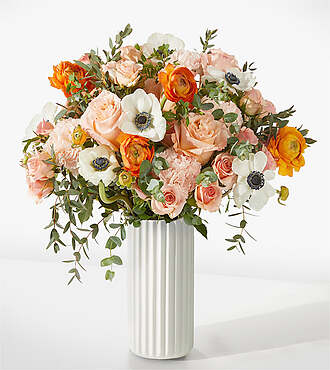
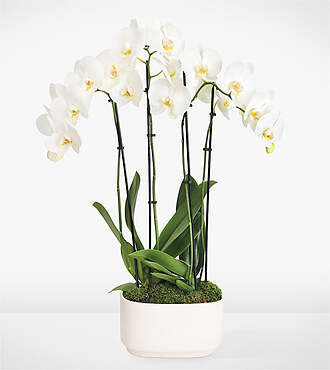
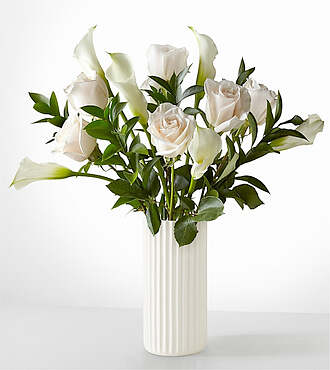
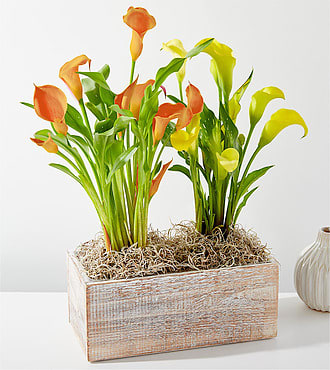
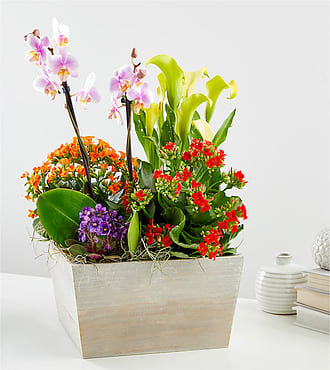
- Three of our most popular arrangements at our Joseph florist are: Easter Brunch Bouquet ($54.90), Uplifting Moments Basket ($49.90), White Orchid Planter ($97.90). All are available for same-day delivery.
More About Joseph
Are looking for a Joseph florist because you are not local to the area? If so, here is a brief travelogue of what Joseph has to offer. Who knows, perhaps you'll be intrigued enough to come visit soon, partake in some of the fun activities Joseph has to offer and deliver flowers to your loved one in person!
The sun rises over Wallowa Lake like a slow-motion explosion, light spilling across the water in liquid filaments that fracture the mountains into jagged silhouettes. Joseph, Oregon, sits at the edge of this spectacle, a town of 1,200 where the air smells of pine resin and the metallic tang of art in progress. You notice the sculptures first. Bronze stallions rear frozen on street corners. A bear, mid-roar, guards the post office. Shadows pool in the creases of a Native chief’s brow outside the library. This is a place where the act of creation feels as elemental as erosion, as necessary as breath.
The Wallowa Valley cradles Joseph like a cupped hand. To the west, the Wallowa Mountains claw at the sky, their peaks still streaked with snow in July. Hikers move like bright ants along switchbacks. Cyclists pant up highways flanked by alfalfa fields. Fishermen wade the Grande Ronde River, their lines slicing the air in practiced arcs. The land here demands participation. It resists spectatorship. You don’t just see the valley, you map it with your calves’ ache, your sunburned neck, the grit of trail dust in your teeth.

Same day service available. Order your Joseph floral delivery and surprise someone today!
History here is not abstraction. It’s etched in the bronze plaques downtown, in the quiet cadence of a Nez Perce elder’s stories at the Tamástslikt Cultural Institute. The town’s name itself is a kind of monument, a nod to Chief Joseph, whose surrender speech (“I will fight no more forever”) clangs with a grief that still hums beneath the valley’s beauty. Locals navigate this duality without flinching. They serve huckleberry pancakes at the Red Horse Coffee Traders, repair hiking boots at the Mountain Works, and nod when tourists ask about the past. Their politeness is a kind of covenant, an unspoken agreement to steward both the land and its memory.
Artisans cluster in converted barns along Main Street, their workshops exhaling the scent of molten wax and forge fires. A sculptor in a leather apron explains lost-wax casting while her hands smooth clay into the sinews of a wolf’s leg. Two doors down, a painter captures the exact lavender-gray of a thunderhead gathering over Chief Joseph Mountain. Creativity here feels urgent, almost physiological, as if the landscape itself insists on being translated into form. Galleries double as community hubs, places where ranchers in Wranglers debate brushstroke techniques with retirees from Portland.
At dawn, the farmers’ market erupts in a carnival of color. Heirloom tomatoes glow like rubies. A teenage fiddler saws a reel beside a pyramid of summer squash. Conversations overlap in fragments: Did you hear the elk are back in Zumwalt Prairie? and They’re adding a new trailhead near Ice Lake. A woman in a sunflower-print dress offers samples of raw honey. It tastes like sunlight and clover.
By afternoon, the lake is a mosaic of kayaks and paddleboards. Children shriek, cannonballing off docks. An old man in a wide-brimmed hat casts for trout, his line whispering through the air. The water, fed by glacial runoff, is so cold it feels like a metaphysical challenge. You dive in gasping, emerge laughing, repeat. Later, drying on hot rocks, you notice how the mountains encircle everything, a ring of silent, immutable witnesses.
Dusk brings a pause. Streetlights flicker on, casting the bronze statues in eerie relief. From a distance, the silhouettes could be mistaken for living things. The boundary between art and nature blurs. A deer picks its way through someone’s garden. Crickets throttle their legs. The valley hums with a quiet, relentless aliveness. Joseph doesn’t dazzle. It doesn’t need to. It persists, insisting on a truth that’s easy to forget elsewhere: beauty isn’t passive. It’s a verb. It’s the work of hands and history, stone and memory, light bending over water again and again and again.