




- Love & Romance
- Best Sellers
- Lilies
 $69.90

- $49.90
July 1, 2026
Buda July Floral Selection
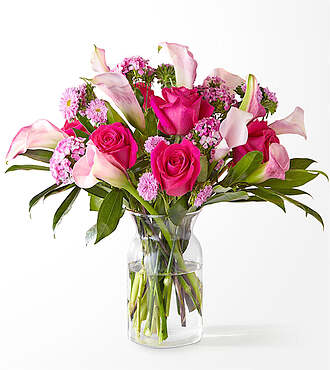
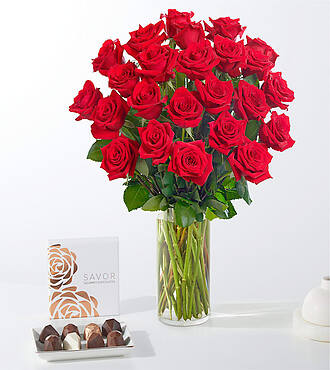
The Bloom Central flower delivery of the month for July in Buda is the Long Stem Red Rose Bouquet
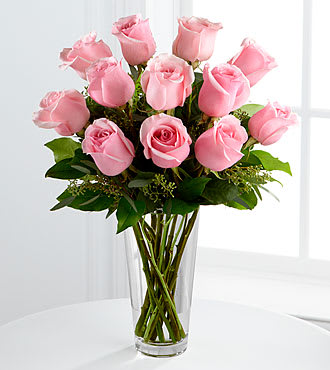
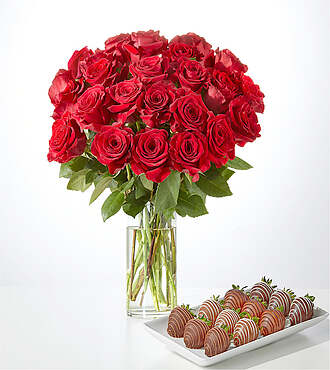
Introducing the exquisite Long Stem Red Rose Bouquet from Bloom Central, a floral arrangement that is sure to steal her heart. With its classic and timeless beauty, this bouquet is one of our most popular, and for good reason.
The simplicity of this bouquet is what makes it so captivating. Each rose stands tall with grace and poise, showcasing their velvety petals in the most enchanting shade of red imaginable. The fragrance emitted by these roses fills the air with an intoxicating aroma that evokes feelings of love and joy.
A true symbol of romance and affection, the Long Stem Red Rose Bouquet captures the essence of love effortlessly. Whether you want to surprise someone special on Valentine's Day or express your heartfelt emotions on an anniversary or birthday, this bouquet will leave the special someone speechless.
What sets this bouquet apart is its versatility - it suits various settings perfectly! Place it as a centerpiece during candlelit dinners or adorn your living space with its elegance; either way, you'll be amazed at how instantly transformed your surroundings become.
Purchasing the Long Stem Red Rose Bouquet from Bloom Central also comes with peace of mind knowing that they source only high-quality flowers directly from trusted growers around the world.
If you are searching for an unforgettable gift that speaks volumes without saying a word - look no further than the breathtaking Long Stem Red Rose Bouquet from Bloom Central! The timeless beauty, delightful fragrance and effortless elegance will make anyone feel cherished and loved. Order yours today and let love bloom!
Buda Texas Flower Delivery
Buda Flower Delivery - Frequently Asked Questions
- Does Bloom Central offer same-day flower delivery in Buda?
- Yes. Place your order online before 1:00 PM and a local Buda florist will hand-deliver your arrangement the same day. Orders can also be scheduled up to one month in advance.
- Is it safe to order flowers online?
- Absolutely! We utilize a secure, encrypted checkout to protect your personal and payment information. Visa, Mastercard, American Express, Discover, PayPal and Klarna are all accepted.
- What funeral homes does Bloom Central deliver sympathy flowers to in Buda?
- We hand-deliver sympathy and memorial floral arrangements to all funeral homes near Buda, including: Affordable Burial & Cremation Service, All Faiths Funeral Service, Angel Funeral Home, Austin Peel & Son Funeral Home, Austin Pet Memorial Center, Colliers Affordable Caskets, Cook-Walden Funeral Home, Cook-Walden/Forest Oaks Funeral Home and Memorial Park, Harrell Funeral Home, Heart of Texas Cremations, Hopf Monument Company, King-Tears Mortuary, Legends Tri-County Funeral Services, McCurdy Funeral Home, Mission Funeral Home Serenity Chapel, Weed-Corley-Fish Lake Travis Chapel, Weed-Corley-Fish North Chapel, Weed-Corley-Fish South.
- What churches does Bloom Central deliver flowers to in Buda?
- We deliver fresh floral arrangements to all churches and places of worship in Buda, including: Santa Cruz Catholic Church.
- What nearby cities does Bloom Central also deliver flowers to?
- In addition to Buda, we deliver fresh flowers to many nearby cities including: Manchaca, Shady Hollow, Kyle, Mustang Ridge, Uhland, Rollingwood, Barton Creek, Lost Creek
- What are the most popular flower arrangements at the Buda florist?
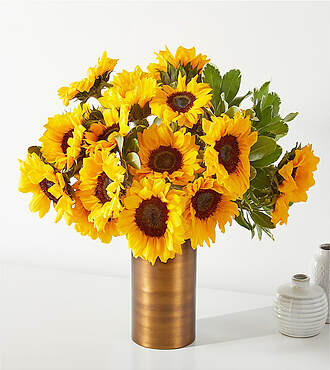
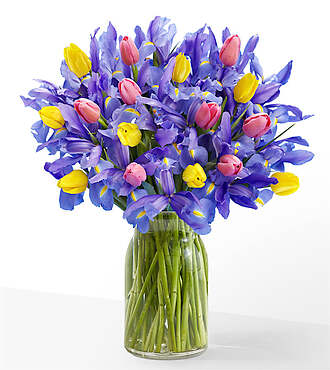
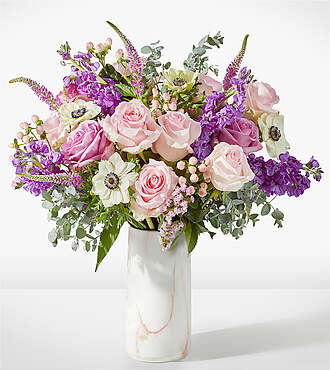
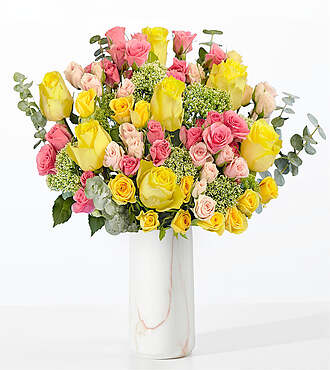
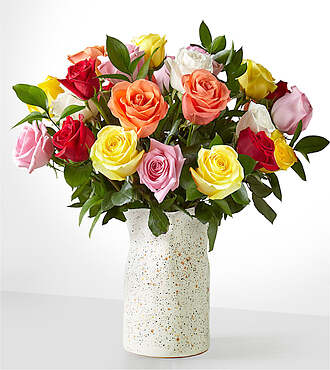
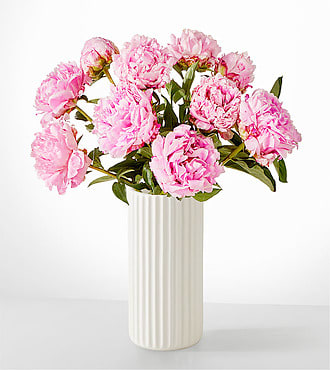
- Three of our most popular arrangements at our Buda florist are: Spring's Calling Tulip Bouquet ($59.90), Yellow Colors Florist Designed Bouquet ($49.90), Autumn Harmony Centerpiece ($69.90). All are available for same-day delivery.
More About Buda
Are looking for a Buda florist because you are not local to the area? If so, here is a brief travelogue of what Buda has to offer. Who knows, perhaps you'll be intrigued enough to come visit soon, partake in some of the fun activities Buda has to offer and deliver flowers to your loved one in person!
To approach Buda, Texas, from the north is to watch the sprawl of Austin’s tech-plexes and traffic melt into something older, quieter, a landscape where the sky resumes its dominion. The horizon here isn’t cluttered with steel or glass but punctuated by live oaks and the occasional flicker of hawks. The air smells of sunbaked limestone and freshly mowed grass, a scent that seems to signal, in its unpretentious way, that you’ve crossed into a place where time hasn’t so much stopped as decided to amble. Buda announces itself not with billboards but with a single water tower, its silver bulk rising like a misplaced planet against the blue, and a sign noting the population, a number small enough to fit in a tweet but large enough to suggest a community that knows itself.
Main Street unfolds as a sequence of low-slung buildings with façades that have weathered decades of heat and rain. The shops here, a bakery with hand-lettered signs, a hardware store whose door creaks like a character in a Twain novel, feel less like commercial enterprises than extensions of someone’s living room. The woman behind the counter at the café knows your order by the second visit. The barber pauses mid-snip to wave at a passing pickup. There’s a rhythm here, a syncopation of small gestures and familiar faces, that resists the frenetic click-track of modern life.

Same day service available. Order your Buda floral delivery and surprise someone today!
On weekends, the city park becomes a stage for a particular kind of theater. Families spread checkered blankets under pecan trees. Children pedal bikes in wobbly loops while parents swap casserole recipes and gossip. The trails that ribbon through the greenbelt hum with joggers and retirees walking terriers. At the community garden, tomatoes swell on vines, and sunflowers tilt toward the light as if auditioning for a Van Gogh sketch. It’s easy, in such moments, to feel a pang of envy for the simplicity, though “simplicity” isn’t quite right. What Buda offers isn’t the absence of complexity but a different kind of calculus, one where value is measured in shared labor and the pleasure of a front porch conversation.
The Buda Lions Club sponsors a Wiener Dog Race each spring, an event that draws crowds in lawn chairs and straw hats. Dozens of dachshunds, some costumed as superheroes or tacos, sprint toward owners who crouch and coo and wave squeaky toys. The race lasts seconds. The laughter lingers. It’s absurd and tender and deeply human, a spectacle that mocks the very idea of spectacle. No one here worries about being cool. They’re too busy being delighted.
Drive east of town and you’ll find the Buda Mill & Grain Co., its weathered wood and rusted gears standing as a monument to the agrarian past. Nearby, new subdivisions rise, their streets named for the wildflowers they displaced. Growth is inevitable, but Buda wears its expansion like a breakaway jersey, visible but not yet defining. The farmers who sell peaches at the weekly market nod at the young couples pushing strollers past their stalls. Everyone seems to understand, even if tacitly, that progress doesn’t have to mean erasure.
What stays with you, though, isn’t the architecture or the events but the way people move through the world here. They wave at strangers. They hold doors. They ask about your mother’s knee surgery. In an age of curated personas and digital isolation, Buda feels like a hand-written letter, a thing both anachronistic and vital. It’s a town that insists, quietly but insistently, that belonging isn’t something you find but something you build, one block party, one shared sunset, one wagging dachshund at a time.