





- Best Value
- Best Sellers
- Sympathy
 $49.90

- $297.90
- $64.90



June 1, 2026
Panguitch June Floral Selection
The Bloom Central flower delivery of the month for June in Panguitch is the Birthday Brights Bouquet
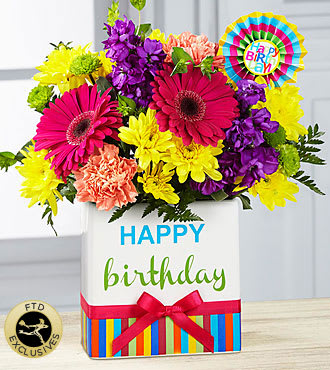
The Birthday Brights Bouquet from Bloom Central is a delightful floral arrangement that anyone would adore. With its vibrant colors and cheerful blooms, it's sure to bring a smile to the face of that special someone.
This bouquet features an assortment of beautiful flowers in shades of pink, orange, yellow, and purple. The combination of these bright hues creates a lively display that will add warmth and happiness to any room.
Specifically the Birthday Brights Bouquet is composed of hot pink gerbera daisies and orange roses taking center stage surrounded by purple statice, yellow cushion poms, green button poms, and lush greens to create party perfect birthday display.
To enhance the overall aesthetic appeal, delicate greenery has been added around the blooms. These greens provide texture while giving depth to each individual flower within the bouquet.
With Bloom Central's expert florists crafting every detail with care and precision, you can be confident knowing that your gift will arrive fresh and beautifully arranged at the lucky recipient's doorstep when they least expect it.
If you're looking for something special to help someone celebrate - look no further than Bloom Central's Birthday Brights Bouquet!
Panguitch Utah Flower Delivery
Panguitch Flower Delivery - Frequently Asked Questions
- Does Bloom Central offer same-day flower delivery in Panguitch?
- Yes. Place your order online before 1:00 PM and a local Panguitch florist will hand-deliver your arrangement the same day. Orders can also be scheduled up to one month in advance.
- Is it safe to order flowers online?
- Absolutely! We utilize a secure, encrypted checkout to protect your personal and payment information. Visa, Mastercard, American Express, Discover, PayPal and Klarna are all accepted.
- What hospitals and care facilities does Bloom Central deliver to in Panguitch?
- We deliver fresh flower arrangements to all hospitals, nursing homes and care facilities in Panguitch Utah, including: Garfield Memorial Hospital.
- What funeral homes does Bloom Central deliver sympathy flowers to in Panguitch?
- We hand-deliver sympathy and memorial floral arrangements to all funeral homes near Panguitch, including: Cedar Memorials, Etch N Carved Memorials & Monuments.
- What nearby cities does Bloom Central also deliver flowers to?
- In addition to Panguitch, we deliver fresh flowers to many nearby cities including: Parowan, Enoch, Beaver, Cedar City
- What are the most popular flower arrangements at the Panguitch florist?
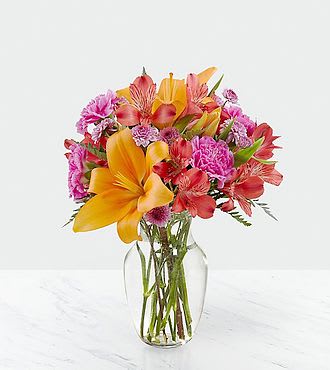
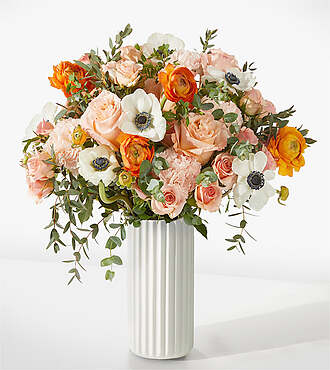
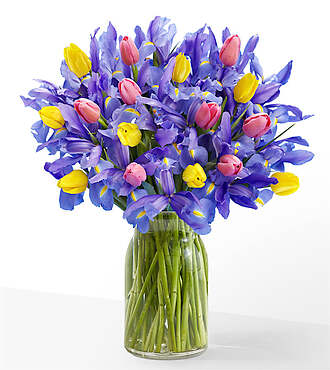
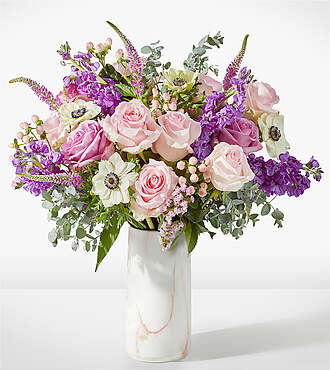
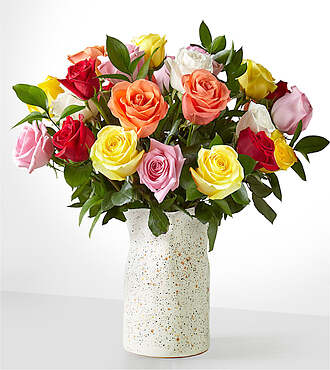
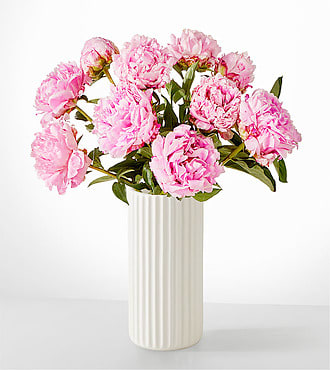
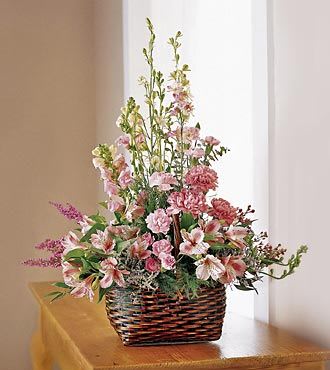
- Three of our most popular arrangements at our Panguitch florist are: Glorious Rose Bouquet - 18 Stems of 24-inch Premium Long-Stem Roses and Mokara Orchids ($197.90), Basking in the Glow Bouquet ($49.90), Sweet Beginnings Bouquet ($64.90). All are available for same-day delivery.
More About Panguitch
Are looking for a Panguitch florist because you are not local to the area? If so, here is a brief travelogue of what Panguitch has to offer. Who knows, perhaps you'll be intrigued enough to come visit soon, partake in some of the fun activities Panguitch has to offer and deliver flowers to your loved one in person!
Panguitch, Utah, sits in a high valley where the air smells like sagebrush and the horizon is a jagged ledger of red rock and pine. The town’s name means “Big Fish” in Paiute, a nod to some forgotten story about pioneers and scarcity and survival, which feels apt. To drive into Panguitch is to enter a place where time compresses. The 19th-century brick buildings along Main Street, sturdy, geometric, the color of dried clay, seem less like relics than like assertions. Here is a town that insists on itself.
The first thing you notice is the quiet. Not silence, exactly, but a low hum of wind through juniper trees, the creak of a porch swing, the distant growl of a pickup easing over cattle guards. People here move with the deliberateness of those who understand weather. Winters are brutal. Snow piles high enough to bury fences. In 1864, settlers nearly starved before hauling quilts across miles of drifts to fetch food from nearby towns, an act of communal stubbornness now celebrated every summer with the Quilt Walk Festival. The festival is less a historical reenactment than a living metaphor: lay down something soft, walk together, survive.

Same day service available. Order your Panguitch floral delivery and surprise someone today!
Local businesses operate under an unspoken covenant of mutual aid. At the family-run diner, your pancake order arrives with a side of gossip about whose grandson made the all-state baseball team. The hardware store sells fishing licenses and advice on fixing leaky faucets. At the old-fashioned gas station, the attendant, a man in a bolo tie and cowboy hat, will tell you, unsolicited, the best route to Bryce Canyon. These interactions aren’t quaint. They’re the product of a culture that still believes in the porous boundary between self and neighbor.
The land itself is both antagonist and muse. To the east, the hoodoos of Bryce stand like frozen flames. To the west, the Markagunt Plateau rises in a slow tectonic sigh. Every local has a favorite dirt road, a secret canyon, a meadow where elk graze at dusk. The wilderness isn’t something you visit here. It’s something you negotiate, daily, in the way you might navigate a relationship with a moody sibling. Harsh, radiant, inescapable.
What’s miraculous about Panguitch isn’t its scenery, though the scenery could break your heart, but the way human scale persists against such grandeur. A child pedals a bike past a mercantile built by Mormon pioneers. A farmer waves at you for no reason. An elderly woman on a bench feeds scraps to a dog that might be a stray or might be the town’s collective pet. In an age of viral spectacle and digital disembodiment, the place feels almost radical in its ordinariness.
You leave wondering why the word “quaint” ever became a backhanded compliment. To call Panguitch quaint is to mistake cohesion for simplicity, to confuse integrity with inertia. This is a town that has chosen, again and again, to be a community rather than a commodity. The bricks of its historic buildings aren’t preserved behind velvet ropes. They’re holding up banks and ice cream shops. The past here isn’t a trophy. It’s a load-bearing wall.
There’s a particular shade of blue in the sky just before dusk, when the light slants through the plateau and the whole valley seems to glow from within. It’s the kind of beauty that doesn’t ask for your admiration. It just exists, steady and unselfconscious, like the laughter from an open window, or the smell of cut hay, or the sound of your own footsteps on a gravel road that goes nowhere in particular but feels, for a moment, like enough.