




- Love & Romance
- Best Sellers
- Under $80
 $69.90






- $69.90


July 1, 2026
Chatmoss July Floral Selection
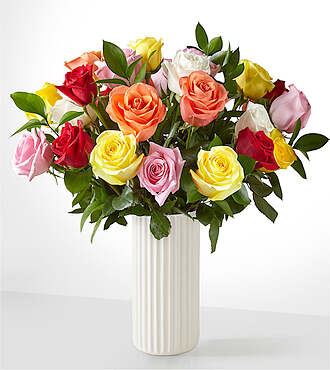
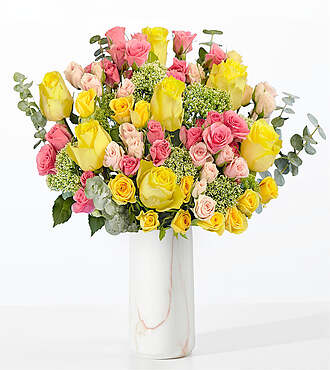
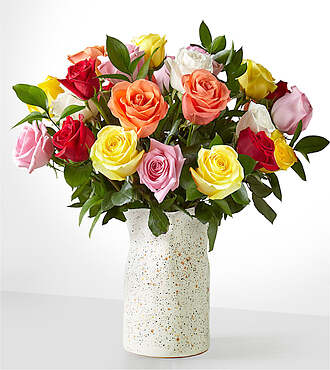
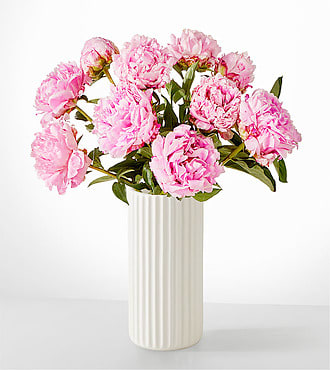
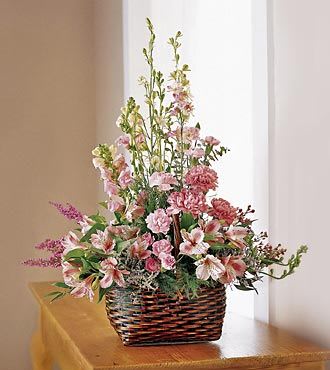
The Bloom Central flower delivery of the month for July in Chatmoss is the Graceful Grandeur Rose Bouquet
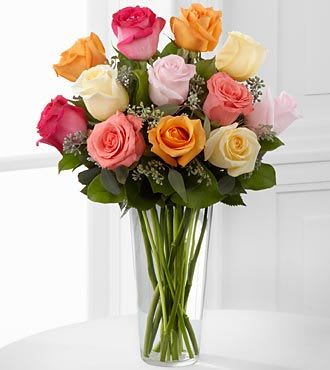
The Graceful Grandeur Rose Bouquet from Bloom Central is simply stunning. With its elegant and sophisticated design, it's sure to make a lasting impression on the lucky recipient.
This exquisite bouquet features a generous arrangement of lush roses in shades of cream, orange, hot pink, coral and light pink. This soft pastel colors create a romantic and feminine feel that is perfect for any occasion.
The roses themselves are nothing short of perfection. Each bloom is carefully selected for its beauty, freshness and delicate fragrance. They are hand-picked by skilled florists who have an eye for detail and a passion for creating breathtaking arrangements.
The combination of different rose varieties adds depth and dimension to the bouquet. The contrasting sizes and shapes create an interesting visual balance that draws the eye in.
What sets this bouquet apart is not only its beauty but also its size. It's generously sized with enough blooms to make a grand statement without overwhelming the recipient or their space. Whether displayed as a centerpiece or placed on a mantelpiece the arrangement will bring joy wherever it goes.
When you send someone this gorgeous floral arrangement, you're not just sending flowers - you're sending love, appreciation and thoughtfulness all bundled up into one beautiful package.
The Graceful Grandeur Rose Bouquet from Bloom Central exudes elegance from every petal. The stunning array of colorful roses combined with expert craftsmanship creates an unforgettable floral masterpiece that will brighten anyone's day with pure delight.
Local Flower Delivery in Chatmoss
Chatmoss Flower Delivery - Frequently Asked Questions
- Does Bloom Central offer same-day flower delivery in Chatmoss?
- Yes. Place your order online before 1:00 PM and a local Chatmoss florist will hand-deliver your arrangement the same day. Orders can also be scheduled up to one month in advance.
- Is it safe to order flowers online?
- Absolutely! We utilize a secure, encrypted checkout to protect your personal and payment information. Visa, Mastercard, American Express, Discover, PayPal and Klarna are all accepted.
- What funeral homes does Bloom Central deliver sympathy flowers to in Chatmoss?
- We hand-deliver sympathy and memorial floral arrangements to all funeral homes near Chatmoss, including: Alamance Funeral Service, George Brothers Funeral Service, Granville Urns, Hayworth-Miller Funeral Home, Henry Memorial Park, McCoy Funeral Home, McLaurin Funeral Home, Memorial Funeral Service, Miller Jack, Moody Funeral Services, Mullins Funeral Home & Crematory, Oaklawn Memorial Gardens, Omega Funeral Service & Crematory, Rich & Thompson Funeral & Cremation Service, St Andrews Diocesan Cemetery, Updike Funeral Home & Cremation Service, Westminster Gardens Cemetery and Crematory, Wrenn- Yeatts Funeral Home.
- What nearby cities does Bloom Central also deliver flowers to?
- In addition to Chatmoss, we deliver fresh flowers to many nearby cities including: Laurel Park, Martinsville, Collinsville, Fieldale, Horse Pasture, Stanleytown, Bassett, Patrick Springs
- What are the most popular flower arrangements at the Chatmoss florist?
- Three of our most popular arrangements at our Chatmoss florist are: Gracefuls Bouquet ($49.90), Peachy Pumpkin ($59.90), Fate Luxury Rose Bouquet - 48 Stems of 24-inch Premium Long-Stemmed Roses ($299.90). All are available for same-day delivery.
More About Chatmoss
Are looking for a Chatmoss florist because you are not local to the area? If so, here is a brief travelogue of what Chatmoss has to offer. Who knows, perhaps you'll be intrigued enough to come visit soon, partake in some of the fun activities Chatmoss has to offer and deliver flowers to your loved one in person!
Chatmoss sits in the soft green cradle of southern Virginia like a secret you’re half-tempted to keep. The streets curve with the logic of a creek bed, looping past houses that seem less built than gently placed among pines and dogwoods. There’s a quiet here that isn’t silence, it’s the hum of lawnmowers on Saturday mornings, the scrape of sneakers on the tennis courts, the distant laughter of kids biking trails that wind through stands of oak. The air smells of mulch and possibility. To drive into Chatmoss is to feel your shoulders drop half an inch. You notice this. You wonder why.
The community’s planners, mid-20th-century optimists with an eye for topography, designed the place to hug the land, not conquer it. Roads follow ridges. Houses nestle into slopes. Even the mailboxes lean at neighborly angles. This is a suburb that resists the term, rejecting gridlines for something more organic, like a garden that’s been allowed to grow as it pleases but still, somehow, stays tended. Residents here speak of “the loop,” a shorthand for the figure-eight heart of the neighborhood, where joggers wave to retirees on porches and dogs pause to sniff hydrants with the focus of connoisseurs. The loop isn’t just a route. It’s a ritual.

Same day service available. Order your Chatmoss floral delivery and surprise someone today!
Parks dot the area like deliberate afterthoughts. At Chatmoss Common, toddlers dig in sandboxes while parents trade casserole recipes. Basketball nets, slightly frayed, host games where the score matters less than the sprinting. The golf course, a rolling expanse of fairway and pond, serves as the town’s communal backyard. Teenagers fish for bass off tiny docks. Old men in visors debate putts. Everyone knows the heron that patrols the third hole. You get the sense that if you stood still long enough, the rhythm of the place would start to sync with your pulse.
What’s strange, and this is the thing, is how unstrange it feels. Chatmoss lacks the self-conscious quaintness of towns that lean on history or the brittle sparkle of ones chasing newness. It feels lived-in, in the best way. Front doors sport wreaths made by local crafters. Flower beds erupt with azaleas planted decades ago by hands now remembered in sidewalk plaques. The annual fall festival features pie contests and bluegrass bands, events where the guy who fixes your computer might also fiddle “Orange Blossom Special” while his daughter sells lemonade. It’s easy to smirk at this Americana until you’re in it, disarmed by its lack of pretense.
The people here tend to speak in terms of “we.” We cleared the storm drains. We repainted the clubhouse. We added a bench where the Robinsons used to walk their collie. This collective grammar isn’t accidental. Chatmoss thrives on a kind of soft accountability, where keeping your yard tidy feels less like obligation and more like a nod to the family next door. Neighbors borrow tools. They return them with cookies. They show up.
None of this is perfect, of course. No place is. But perfection isn’t the point. Chatmoss operates on a different calculus, one where connection outranks convenience and the friction of togetherness is worth the warmth. You see it in the way twilight finds clusters of folks chatting at cul-de-sacs, their shadows long and overlapping. You hear it in the dusk chorus of cicadas and screen doors. There’s a particular light here late in the day, golden, slanting, almost forgiving, that makes everything look like it’s been freshly made. Or maybe just noticed.
To leave Chatmoss is to carry some of that light with you. It lingers. It asks you to consider what a neighborhood becomes when it’s built not just for cars or commerce but for the slow, stubborn work of living well. The answer, it turns out, is simpler than you’d think. Just ask the heron. It’s been here the whole time.