





- Get Well
- Best Sellers
- Carnations
 $54.90
- $54.90
- $79.90
- $54.90
- $49.90
- $49.90


July 1, 2026
Wakefield July Floral Selection
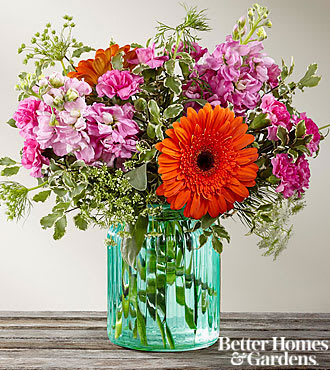
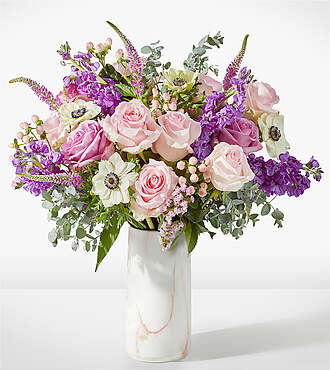
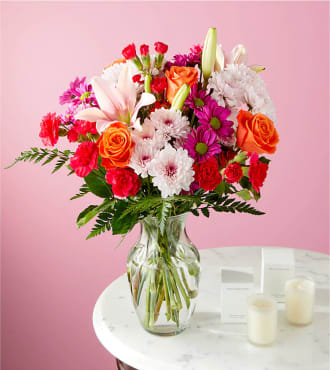
The Bloom Central flower delivery of the month for July in Wakefield is the Blooming Visions Bouquet
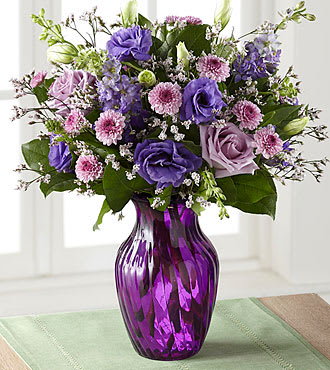
The Blooming Visions Bouquet from Bloom Central is just what every mom needs to brighten up her day! Bursting with an array of vibrant flowers, this bouquet is sure to put a smile on anyone's face.
With its cheerful mix of lavender roses and purple double lisianthus, the Blooming Visions Bouquet creates a picture-perfect arrangement that anyone would love. Its soft hues and delicate petals exude elegance and grace.
The lovely purple button poms add a touch of freshness to the bouquet, creating a harmonious balance between the pops of pink and the lush greens. It's like bringing nature's beauty right into your home!
One thing anyone will appreciate about this floral arrangement is how long-lasting it can be. The blooms are carefully selected for their high quality, ensuring they stay fresh for days on end. This means you can enjoy their beauty each time you walk by.
Not only does the Blooming Visions Bouquet look stunning, but it also has a wonderful fragrance that fills the room with sweetness. This delightful aroma adds an extra layer of sensory pleasure to your daily routine.
What sets this bouquet apart from others is its simplicity - sometimes less truly is more! The sleek glass vase allows all eyes to focus solely on the gorgeous blossoms inside without any distractions.
No matter who you are looking to surprise or help celebrate a special day there's no doubt that gifting them with Bloom Central's Blooming Visions Bouquet will make their heart skip a beat (or two!). So why wait? Treat someone special today and bring some joy into their world with this enchanting floral masterpiece!
Wakefield Virginia Flower Delivery
Wakefield Flower Delivery - Frequently Asked Questions
- Does Bloom Central offer same-day flower delivery in Wakefield?
- Yes. Place your order online before 1:00 PM and a local Wakefield florist will hand-deliver your arrangement the same day. Orders can also be scheduled up to one month in advance.
- Is it safe to order flowers online?
- Absolutely! We utilize a secure, encrypted checkout to protect your personal and payment information. Visa, Mastercard, American Express, Discover, PayPal and Klarna are all accepted.
- What funeral homes does Bloom Central deliver sympathy flowers to in Wakefield?
- We hand-deliver sympathy and memorial floral arrangements to all funeral homes near Wakefield, including: Albert G Horton Jr Memorial Veterans Cemetery, Cedar Hill Cemetery, Historische Stadt, Parr Funeral Home, Southlawn Memorial Park & Mausoleum, Whitings Funeral Home.
- What churches does Bloom Central deliver flowers to in Wakefield?
- We deliver fresh floral arrangements to all churches and places of worship in Wakefield, including: Mars Hill African Methodist Episcopal Zion Church.
- What nearby cities does Bloom Central also deliver flowers to?
- In addition to Wakefield, we deliver fresh flowers to many nearby cities including: Kings Park, Long Branch, Woodburn, Ravensworth, Mantua, North Springfield, Annandale, Burke
- What are the most popular flower arrangements at the Wakefield florist?
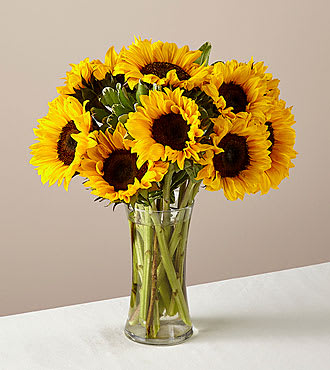
- Three of our most popular arrangements at our Wakefield florist are: Independence Bouquet ($49.90), A Splendid Day Bouquet ($64.90), Crimson Leaves Bouquet ($54.90). All are available for same-day delivery.
More About Wakefield
Are looking for a Wakefield florist because you are not local to the area? If so, here is a brief travelogue of what Wakefield has to offer. Who knows, perhaps you'll be intrigued enough to come visit soon, partake in some of the fun activities Wakefield has to offer and deliver flowers to your loved one in person!
The town of Wakefield, Virginia, sits just off Interstate 95 like a shy child half-hidden behind a parent’s leg. It announces itself with a water tower, its silver bulk softened by the humid air, and a single redbrick strip where the sidewalks buckle gently under the weight of centuries. To speed past at 70 mph is to miss the thing entirely, which is the point. Wakefield does not clamor. It persists. It is the kind of place where the past isn’t preserved behind glass but lingers in the creak of a screen door, the rustle of peanut vines, the way a stranger’s nod carries the quiet assurance that you are seen, even if you’re just passing through.
Morning here smells of diesel and dew. The railroad tracks bisect the town with geometric precision, and at dawn, sunlight catches the rails until they gleam like twin filaments. Farmers in mud-flecked trucks idle at the crossing, waiting for a freight train to pass. They know the engineer by the rhythm of the horn. The fields beyond sprawl in quilted greens, rows of peanuts and soybeans stitching the earth to the sky. Agriculture here is less an industry than a conversation, one that began when the first settlers turned the soil and never stopped. You can hear it in the way locals discuss the rain, not as small talk but as a shared language, urgent and reverent.

Same day service available. Order your Wakefield floral delivery and surprise someone today!
Downtown Wakefield spans four blocks, but its heart beats loudest at the Virginia Diner, a clapboard-sided institution where the booths are vinyl and the coffee arrives in thick ceramic mugs. The air hums with the sizzle of frying okra and the low murmur of regulars debating high school football. Waitresses glide between tables, refilling sweet tea without asking, because they’ve memorized preferences the way others memorize passwords. The diner’s peanut pie, dense, sticky, faintly salty, is less a dessert than a sacrament. It tastes of the land itself, of loam and labor and something like hope.
History here isn’t a museum exhibit but a living layer. The same families fill the pews at Wakefield Methodist Church each Sunday, their voices lifting in hymns that their great-grandparents once sang. The old schoolhouse, now a museum, wears its 1890s brick like a weathered face. Children press their palms to the same oak banister that once steadied kids in knickers and pinafores. Time folds in on itself. You half-expect to turn a corner and find a blacksmith shoeing a horse or a shopkeeper rolling a barrel of flour onto the sidewalk. Yet there’s no nostalgia here, only continuity, a sense that the present is just the past’s next breath.
Autumn transforms the town into a carnival. The Harvest Festival spills across Main Street with tractor parades, craftsmen hawking hand-whittled birdhouses, and the scent of kettle corn clinging to the breeze. Teenagers cluster near the bandstand, sneaking glances and vowing to leave for the city someday, unaware they’ll spend their adulthoods yearning to return. Elders sit on folding chairs, swapping stories that grow taller each year. The festival’s crown jewel is the peanut-picking contest, where competitors race to shell bushels, fingers flying as the crowd cheers. It’s a tribute to the crop that built the town, a ritual that binds gratitude to grit.
To call Wakefield “quaint” feels condescending. Quaint implies fragility, a diorama. Wakefield is sturdy. It survives interstates and recessions and the slow erosion of rural life because its people choose, daily, to keep it alive. They repaint the library’s shutters. They coach Little League. They wave at every car, familiar or not. In an age of algorithms and ephemera, this feels almost radical, a stubborn commitment to the tangible, the local, the human. You leave wondering if the rest of us are the ones missing the point, chasing futures so bright they blind us to the gentle glow of places like this. Wakefield doesn’t need you to romanticize it. It simply is, and that’s enough.