





- Get Well
- Best Sellers
- Thank You
 $54.90
- $54.90
- $79.90
- $54.90
- $49.90
- $49.90
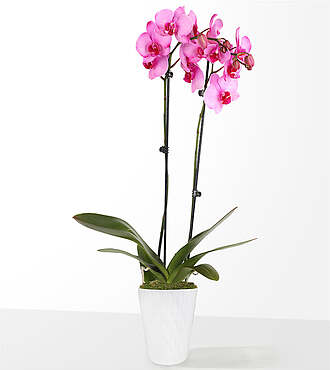
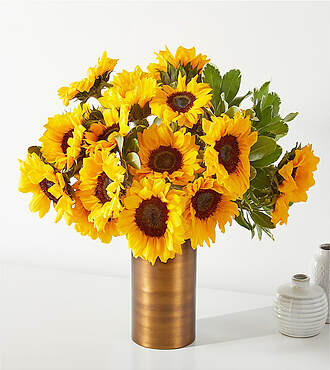
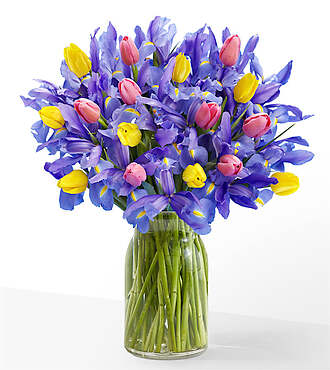
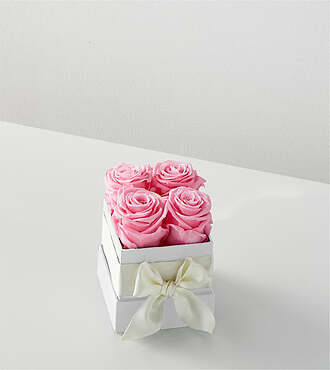
- $49.90
- $79.90
July 1, 2026
East Bank July Floral Selection
The Bloom Central flower delivery of the month for July in East Bank is the Bountiful Garden Bouquet
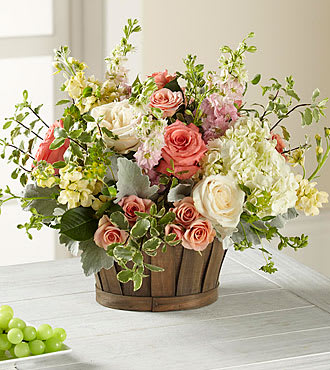
Introducing the delightful Bountiful Garden Bouquet from Bloom Central! This floral arrangement is simply perfect for adding a touch of natural beauty to any space. Bursting with vibrant colors and unique greenery, it's bound to bring smiles all around!
Inspired by French country gardens, this captivating flower bouquet has a Victorian styling your recipient will adore. White and salmon roses made the eyes dance while surrounded by pink larkspur, cream gilly flower, peach spray roses, clouds of white hydrangea, dusty miller stems, and lush greens, arranged to perfection.
Featuring hues ranging from rich peach to soft creams and delicate pinks, this bouquet embodies the warmth of nature's embrace. Whether you're looking for a centerpiece at your next family gathering or want to surprise someone special on their birthday, this arrangement is sure to make hearts skip a beat!
Not only does the Bountiful Garden Bouquet look amazing but it also smells wonderful too! As soon as you approach this beautiful arrangement you'll be greeted by its intoxicating fragrance that fills the air with pure delight.
Thanks to Bloom Central's dedication to quality craftsmanship and attention to detail, these blooms last longer than ever before. You can enjoy their beauty day after day without worrying about them wilting too soon.
This exquisite arrangement comes elegantly presented in an oval stained woodchip basket that helps to blend soft sophistication with raw, rustic appeal. It perfectly complements any decor style; whether your home boasts modern minimalism or cozy farmhouse vibes.
The simplicity in both design and care makes this bouquet ideal even for those who consider themselves less-than-green-thumbs when it comes to plants. With just a little bit of water daily and a touch of love, your Bountiful Garden Bouquet will continue to flourish for days on end.
So why not bring the beauty of nature indoors with the captivating Bountiful Garden Bouquet from Bloom Central? Its rich colors, enchanting fragrance, and effortless charm are sure to brighten up any space and put a smile on everyone's face. Treat yourself or surprise someone you care about - this bouquet is truly a gift that keeps on giving!
East Bank West Virginia Flower Delivery
East Bank Flower Delivery - Frequently Asked Questions
- Does Bloom Central offer same-day flower delivery in East Bank?
- Yes. Place your order online before 1:00 PM and a local East Bank florist will hand-deliver your arrangement the same day. Orders can also be scheduled up to one month in advance.
- Is it safe to order flowers online?
- Absolutely! We utilize a secure, encrypted checkout to protect your personal and payment information. Visa, Mastercard, American Express, Discover, PayPal and Klarna are all accepted.
- What funeral homes does Bloom Central deliver sympathy flowers to in East Bank?
- We hand-deliver sympathy and memorial floral arrangements to all funeral homes near East Bank, including: Cooke Funeral Home & Crematorium, Handley Funeral Home Inc, High Lawn Funeral Home, High Lawn Memorial Park and Chapel Mausoleum, Kanawha Valley Memorial Gardens, Keller Funeral Home, Snodgrass Funeral Home, Stevens & Grass Funeral Home.
- What churches does Bloom Central deliver flowers to in East Bank?
- We deliver fresh floral arrangements to all churches and places of worship in East Bank, including: Hampton Baptist Church.
- What nearby cities does Bloom Central also deliver flowers to?
- In addition to East Bank, we deliver fresh flowers to many nearby cities including: Cedar Grove, Chesapeake, Belle, Marmet, Montgomery, Rand, Coal Fork, Boomer
- What are the most popular flower arrangements at the East Bank florist?
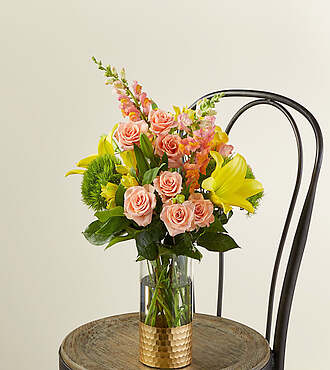
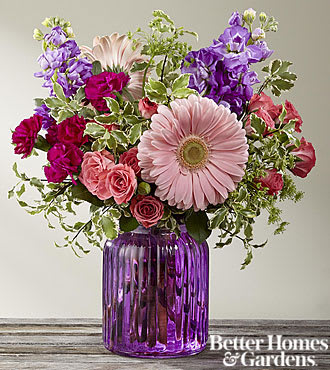
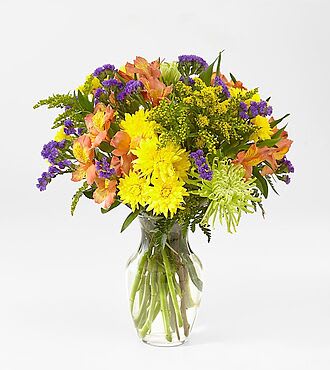
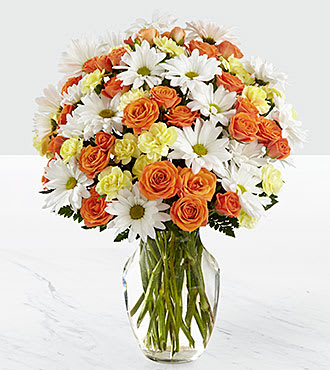
- Three of our most popular arrangements at our East Bank florist are: Schefflera Arboricola ($97.90), Spirit of Spring Basket ($49.90), Happy Times Bouquet ($49.90). All are available for same-day delivery.
More About East Bank
Are looking for a East Bank florist because you are not local to the area? If so, here is a brief travelogue of what East Bank has to offer. Who knows, perhaps you'll be intrigued enough to come visit soon, partake in some of the fun activities East Bank has to offer and deliver flowers to your loved one in person!
East Bank sits where the Kanawha River flexes its muscle, bending west as if to glance over its shoulder at the town it helped build. The water here is a living thing, a gray-green entity that carves valleys and minds its own business, carrying the quiet weight of Appalachian history. To call East Bank a “small town” feels both accurate and insufficient. It is small in the way a well-worn tool is small, compact, purposeful, unpretentious, yet essential to the hand that knows how to hold it. Mornings arrive soft and deliberate. Mist clings to the riverbank like a shy child to a parent’s leg. By six a.m., the diner on MacCorkle Avenue is already humming, its windows fogged by the collision of griddle heat and autumn air. Regulars orbit the Formica counter with the ease of planets, nodding at newcomers as if to say, You’re here now. That’s enough. The waitress, a woman named Darla whose voice could sand rust off a pickup, remembers everyone’s usual. She remembers your name before you say it.
The town’s spine is its railroad tracks, rusted seams stitching East Bank to the rest of West Virginia. Trains still lumber through twice a day, their horns echoing off the hills in long, mournful vowels. Kids on bikes race the locomotives, pedaling furiously past clapboard houses painted colors like “Forgotten Yellow” and “Someone’s Grandma Blue.” You get the sense these homes have earned their hues, fading gently under the gaze of a sun that seems kinder here. Front porches are crowded with rocking chairs that creak in bipartisan harmony, and it’s not uncommon to see a neighbor cross the street mid-conversation, drawn by the gravitational pull of shared gossip or a fresh-baked pie.

Same day service available. Order your East Bank floral delivery and surprise someone today!
East Bank’s heartbeat is its high school football field on Friday nights. The entire town migrates there under stadium lights that hum like drowsy insects. Teenagers in jerseys sprint under banners urging them to “Play Like a Cardinal!”, the mascot a fierce red bird that, in mural form, vaguely resembles a disgruntled tomato. Parents cheer not just for their own children but for everyone’s, a chorus of “Attaboys!” rising like steam. Losses are mourned briefly, victories celebrated like harvests. Afterward, the crowd disperses slowly, lingering in parking lots to dissect plays and promise casseroles.
The library on Sycamore Street is a temple of quiet industry. Retired miners pore over newspapers, tracing headlines with fingers thickened by decades of labor. Children dart between shelves, hunting for dinosaur books or stories about space. The librarian, a man named Hal with a beard like a retired Civil War general, speaks in whispers even when the building is empty. He believes silence is sacred but will break it to recommend a mystery novel he thinks you’ll like. “Trust me,” he says, and you do.
What East Bank lacks in sprawl it compensates for in depth. Walk its streets and you’ll notice details: a handwritten sign advertising free tomatoes, a pickup truck bed converted into a flower planter, the way the river’s surface fractures at dusk into a million liquid mirrors. Strangers wave. Dogs trot unsupervised but never lost. At the town’s lone intersection, the traffic light blinks yellow all day, a metronome reminding everyone to slow down, look around, breathe.
There’s a bridge on the edge of town where teenagers carve initials into guardrails, where old men fish for bass that taste faintly of coal, where the sunset paints the water in tones of tangerine and charcoal. Stand there long enough and you’ll feel it, the unspoken agreement between land and people, a mutual promise to endure, to persist, to hold on without squeezing too tight. East Bank doesn’t dazzle. It doesn’t need to. It is, like all vital things, unextraordinary in the way that oxygen is unextraordinary. It simply lets you live.