





- Anniversary
- Best Sellers
- Lilies
 $69.90







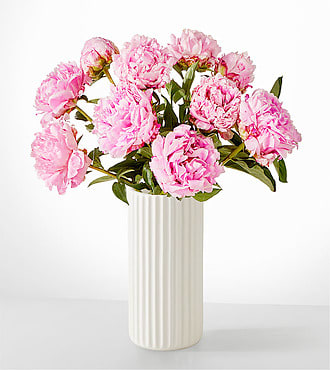
- $49.90


July 1, 2026
Empire July Floral Selection
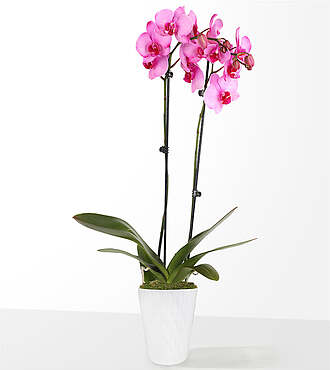
The Bloom Central flower delivery of the month for July in Empire is the Fuchsia Phalaenopsis Orchid
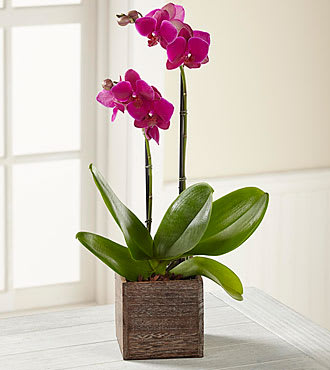
The Fuchsia Phalaenopsis Orchid floral arrangement from Bloom Central is a stunning addition to any home decor. This beautiful orchid arrangement features vibrant violet blooms that are sure to catch the eye of anyone who enters the room.
This stunning double phalaenopsis orchid displays vibrant violet blooms along each stem with gorgeous green tropical foliage at the base. The lively color adds a pop of boldness and liveliness, making it perfect for brightening up a living room or adding some flair to an entryway.
One of the best things about this floral arrangement is its longevity. Unlike other flowers that wither away after just a few days, these phalaenopsis orchids can last for many seasons if properly cared for.
Not only are these flowers long-lasting, but they also require minimal maintenance. With just a little bit of water every week and proper lighting conditions your Fuchsia Phalaenopsis Orchids will thrive and continue to bloom beautifully.
Another great feature is that this arrangement comes in an attractive, modern square wooden planter. This planter adds an extra element of style and charm to the overall look.
Whether you're looking for something to add life to your kitchen counter or wanting to surprise someone special with a unique gift, this Fuchsia Phalaenopsis Orchid floral arrangement from Bloom Central is sure not disappoint. The simplicity combined with its striking color makes it stand out among other flower arrangements.
The Fuchsia Phalaenopsis Orchid floral arrangement brings joy wherever it goes. Its vibrant blooms capture attention while its low-maintenance nature ensures continuous enjoyment without much effort required on the part of the recipient. So go ahead and treat yourself or someone you love today - you won't regret adding such elegance into your life!
Local Flower Delivery in Empire
Empire Flower Delivery - Frequently Asked Questions
- Does Bloom Central offer same-day flower delivery in Empire?
- Yes. Place your order online before 1:00 PM and a local Empire florist will hand-deliver your arrangement the same day. Orders can also be scheduled up to one month in advance.
- Is it safe to order flowers online?
- Absolutely! We utilize a secure, encrypted checkout to protect your personal and payment information. Visa, Mastercard, American Express, Discover, PayPal and Klarna are all accepted.
- What funeral homes does Bloom Central deliver sympathy flowers to in Empire?
- We hand-deliver sympathy and memorial floral arrangements to all funeral homes near Empire, including: Appleton Highland Memorial Park, Harrigan Parkside Funeral Home, Koepsell-Murray Funeral Home, Konrad-Behlman Funeral Homes, Maple Crest Funeral Home, Olson Funeral Home & Cremation Service, Pfeffer Funeral Home & All Care Cremation Center, Phillip Funeral Homes, Poole Funeral Home, Reinbold Novak Funeral Home, Riverside Cemetery, Schmidt & Bartelt Funeral & Cremation Services, Seefeld Funeral & Cremation Services, St Josephs Catholic Church, Wachholz Family Funeral Homes, Wichmann Funeral Homes & Crematory, Zabels Modern Monument, Zwaska Funeral Home.
- What nearby cities does Bloom Central also deliver flowers to?
- In addition to Empire, we deliver fresh flowers to many nearby cities including: Eden, Fond du Lac, St. Peter, Taycheedah, Forest, North Fond du Lac, Byron, Friendship
- What are the most popular flower arrangements at the Empire florist?
- Three of our most popular arrangements at our Empire florist are: Ballet Slippers Bouquet ($49.90), Star Spangled - A Florist Original ($59.90), Eternal Day Arrangement ($229.90). All are available for same-day delivery.
More About Empire
Are looking for a Empire florist because you are not local to the area? If so, here is a brief travelogue of what Empire has to offer. Who knows, perhaps you'll be intrigued enough to come visit soon, partake in some of the fun activities Empire has to offer and deliver flowers to your loved one in person!
In the heart of Wisconsin’s glacial plains, where the land swells and dips like a slow-breathing thing, there exists a town named Empire. To call it small would miss the point. Empire’s streets curve under canopies of oak and maple, their leaves in autumn a riot of color so vivid it feels like the trees are shouting. The air smells of cut grass and woodsmoke, of earth thawing in spring and frost settling in December. Children pedal bikes past clapboard houses with porch swings that creak in the wind. You notice things here. A handwritten sign for a bake sale. A pickup idling outside the post office, its driver waving to a woman carrying a pie. The town hums, but softly, a murmur beneath the louder frequencies of modern American life.
Empire began as a railroad stop in 1871, a name chosen not for grandeur but as a nod to the local sawmill’s brand of timber. The tracks still run east to west, slicing the town into halves that, by some quiet agreement, refuse to be divided. Each morning, commuters cross them on foot, nodding to the Amtrak conductor who leans from the cab, his wave as routine as sunrise. History here isn’t a museum exhibit. It’s the creak of the feed mill’s water wheel, still turning after a century. It’s the faded mural on the library wall, depicting farmers raising a barn where the elementary school now stands.

Same day service available. Order your Empire floral delivery and surprise someone today!
The people of Empire speak in a dialect of practicality and care. They plant gardens that spill over with zucchini and tomatoes, leaving surplus on doorsteps without note or fanfare. At the diner on Main Street, regulars slide into cracked vinyl booths, ordering “the usual” as the cook flips pancakes with a wink. High schoolers part-time at the hardware store restock nails in neat rows, memorizing the preferences of contractors who’ve known them since diapers. There’s a collective rhythm to these interactions, a choreography of small gestures that, stacked together, form something like trust.
North of town, the land opens into meadows threaded with creeks. Families hike trails that wind through stands of birch, their footsteps hushed by pine needles. In July, the lake glitters, dotted with kayaks and the splashes of kids cannonballing off docks. Anglers cast lines at dawn, their silhouettes still as herons. Winter transforms the same spaces into a blanketed hush. Cross-country skishers carve tracks past frozen waterfalls, their breath fogging the air. Teenagers drag sleds up the hill by the water tower, laughing as they tumble into drifts. The seasons here aren’t weather; they’re verbs.
What anchors Empire, though, isn’t just its landscape or its routines. It’s the way time seems to bend. Mornings stretch. Afternoons dissolve. Nights arrive with a clarity of stars rarely seen where light pollution crowds the sky. On Fridays, the community center fills with potluck dishes, casseroles, Jell-O salads, lemon bars, while neighbors debate the merits of fishing lures or zucchini recipes. Someone always brings a guitar. Someone else tells a story about the ’97 blizzard. The room swells with a warmth that has little to do with the thermostat.
You could drive through Empire and see only a blur of gas stations and churches. But to do so would be to misunderstand the place entirely. This town, like so many threaded into the Midwest’s fabric, thrives not in spite of its size but because of it. Every pothole repaired, every fundraiser met, every casserole delivered to a grieving family, these are the molecules of something immense. Empire isn’t a relic. It’s an argument for the possibility that connectedness, real connectedness, still exists in increments smaller than a zip code. The evidence is everywhere, if you know how to look. Watch the barber sweep his sidewalk each dawn. Notice the way the librarian stamps due dates with a grin. Stand at the edge of a field at dusk, listening to the corn rustle, and feel the strange, stubborn hope of a place that quietly, insistently, insists on being a home.