




- Anniversary
- Best Sellers
- Under $60
 $69.90
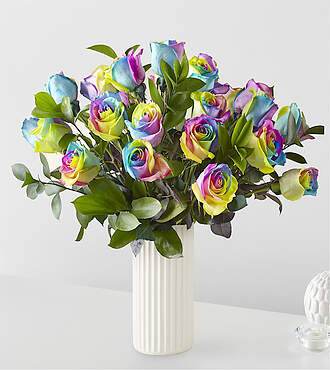

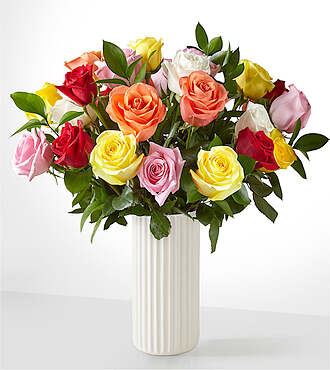
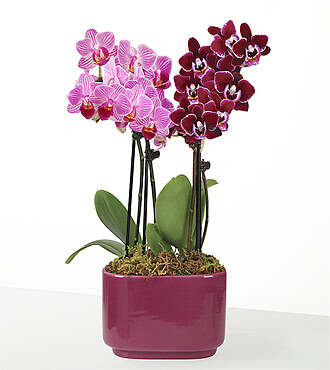

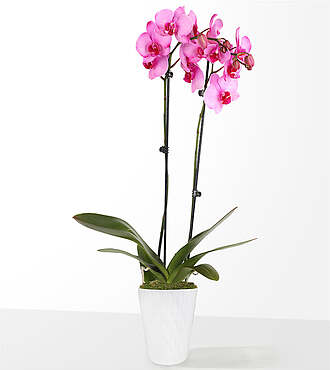


- $49.90

July 1, 2026
Forest July Floral Selection
The Bloom Central flower delivery of the month for July in Forest is the Beyond Blue Bouquet
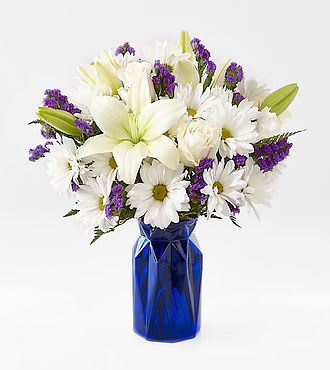
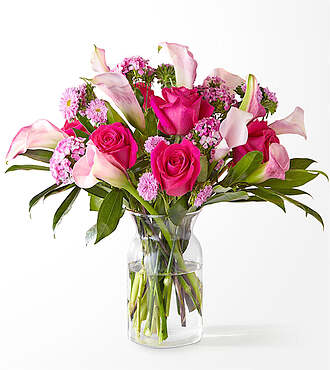
The Beyond Blue Bouquet from Bloom Central is the perfect floral arrangement to brighten up any room in your home. This bouquet features a stunning combination of lilies, roses and statice, creating a soothing and calming vibe.
The soft pastel colors of the Beyond Blue Bouquet make it versatile for any occasion - whether you want to celebrate a birthday or just show someone that you care. Its peaceful aura also makes it an ideal gift for those going through tough times or needing some emotional support.
What sets this arrangement apart is not only its beauty but also its longevity. The flowers are hand-selected with great care so they last longer than average bouquets. You can enjoy their vibrant colors and sweet fragrance for days on end!
One thing worth mentioning about the Beyond Blue Bouquet is how easy it is to maintain. All you need to do is trim the stems every few days and change out the water regularly to ensure maximum freshness.
If you're searching for something special yet affordable, look no further than this lovely floral creation from Bloom Central! Not only will it bring joy into your own life, but it's also sure to put a smile on anyone else's face.
So go ahead and treat yourself or surprise someone dear with the delightful Beyond Blue Bouquet today! With its simplicity, elegance, long-lasting blooms, and effortless maintenance - what more could one ask for?
Local Flower Delivery in Forest
Forest Flower Delivery - Frequently Asked Questions
- Does Bloom Central offer same-day flower delivery in Forest?
- Yes. Place your order online before 1:00 PM and a local Forest florist will hand-deliver your arrangement the same day. Orders can also be scheduled up to one month in advance.
- Is it safe to order flowers online?
- Absolutely! We utilize a secure, encrypted checkout to protect your personal and payment information. Visa, Mastercard, American Express, Discover, PayPal and Klarna are all accepted.
- What funeral homes does Bloom Central deliver sympathy flowers to in Forest?
- We hand-deliver sympathy and memorial floral arrangements to all funeral homes near Forest, including: Carlson D Bruce Funl Dir, Hildebrand-Darton-Russ Funeral Home.
- What nearby cities does Bloom Central also deliver flowers to?
- In addition to Forest, we deliver fresh flowers to many nearby cities including: Greenbush, Empire, Mitchell, Eden, Taycheedah, St. Peter, Auburn, Elkhart Lake
- What are the most popular flower arrangements at the Forest florist?
- Three of our most popular arrangements at our Forest florist are: Country Basket Garden ($49.90), Garden Party Bouquet ($104.90), Long Stem White Rose Bouquet ($69.90). All are available for same-day delivery.
More About Forest
Are looking for a Forest florist because you are not local to the area? If so, here is a brief travelogue of what Forest has to offer. Who knows, perhaps you'll be intrigued enough to come visit soon, partake in some of the fun activities Forest has to offer and deliver flowers to your loved one in person!
In the heart of Wisconsin’s St. Croix County, where the roads narrow and the pines rise like cathedral spires, there exists a town named Forest, a place that feels less like a dot on a map than a shared exhale. The name itself is both declarative and redundant. To stand at the edge of Forest is to understand that language sometimes strains under the weight of what it must hold. The air smells of damp earth and possibility. Sunlight filters through leaves in shards, painting the pavement in temporary gold. People here move with the unhurried rhythm of those who know the difference between existing and inhabiting.
The town’s center is a single blinking traffic light, a sentinel that winks at the absurdity of its own purpose. No one honks. No one speeds. Drivers pause not out of obligation but a kind of civic sacrament, exchanging nods that say, I see you, as if the act of stopping could stretch time itself. The sidewalks are cracked in ways that suggest patience, not neglect. Children pedal bikes in lazy loops, their laughter mingling with the creak of handlebars. An old labrador dozes in a patch of sun outside the hardware store, its tail thumping twice per minute like a metronome set to andante.

Same day service available. Order your Forest floral delivery and surprise someone today!
Forest’s residents speak in a dialect of gestures. At the diner off Main Street, regulars slide into vinyl booths and order by raising eyebrows. The waitress, a woman named Joan who has worked here since the Nixon administration, brings them pie before they ask. The pie is cherry, always cherry, because the orchards north of town yield fruit so tart it makes your jaw ache in the best way. Conversations here are less about information than communion. A farmer mentions the rain, and three heads nod, not because the weather is novel but because they’ve all spent mornings kneeling in the same dirt, pressing seeds into the same stubborn soil.
On weekends, the high school football field becomes a stage for a different kind of liturgy. The team’s losing streak stretches back decades, but no one seems to mind. The crowd cheers extra loud when the quarterback, a kid with a cowlick and a grin like a split apple, fumbles the ball. After the game, families gather under portable heaters, passing thermoses of cocoa and stories about the time the moose wandered into the post office. Loss, here, is not a failure but a thread in the fabric.
What binds Forest is not nostalgia but a relentless, quiet presence. The librarian stays late to help students decode algebra. The retired teacher paints murals of migratory birds on the water tower. Even the trees participate: oaks clutch the soil to prevent erosion, maples offer syrup in spring, birches shed papery scrolls that children collect and weave into makeshift crowns. There’s a sense that every living thing here is both caretaker and guest.
To visit Forest is to feel your shoulders drop. You notice the way the fog clings to the fields at dawn, how the stars seem closer once the streetlights flicker off. You might find yourself on a bench by the river, watching water striders skate across the surface, and realize that this town, with its unspoken rules and cherry-stained smiles, has gently dismantled your cynicism. It’s not perfect. The winters are brutal, the taxes annoying, the Wi-Fi spotty. But perfection is not the point. The point is the boy who waves at strangers from his porch, the woman who plants marigolds along the highway, the way the entire town gathers when the northern lights flare green, a silent crowd, necks craned, faces upturned like flowers.
You leave wondering why it’s so easy to forget that joy often wears ordinary clothes. Then you remember: Forest never forgot.